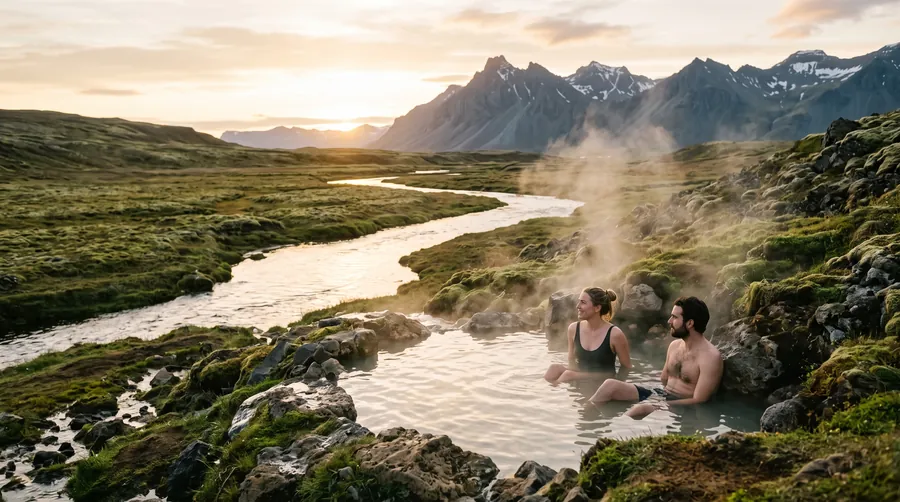
Geothermal · North Atlantic
Iceland
Icelanders have one of the longest life expectancies in Europe and a daily habit that explains part of it: the neighbourhood pool, hot pots, cold plunge and a conversation in the steam.

Every town in Iceland has a heated public pool with hot tubs at 38 to 42 degrees, a cold tub, a sauna and a lane pool, and people use them daily, before work, after school, in a snowstorm. The contrast of hot water and cold air trains the circulation, the water eases joints and the ritual is social. Add the geothermal lagoons, the hot river at Reykjadalur, the sea swimming club at Nauthólsvík and the sauna-and-plunge circuits of the newer lagoons, and you have a country that treats water as medicine.
The landscape does the rest: waterfalls, black beaches, glaciers, moss lava fields and, in winter, the aurora. Hiking is easy to organise from Reykjavík: the Golden Circle for a first day, Thórsmörk and Landmannalaugar for serious walks, the Westfjords for silence. The food has improved greatly: lamb, Arctic char, skyr, rye bread, and vegetables from geothermal greenhouses.
Come in June and July for endless light, in September and October or February and March for dark skies and the aurora. Buy a pool pass on the first day and go every morning; it is the cheapest and most Icelandic thing you can do.
The longevity profile
- Best months
- Jun · Jul · Aug · Sep · Feb · Mar
- Ideal stay
- 7 to 10 days
- Budget
- €€€€
- Night from
- €220
Signature ritual: Hot pot, cold plunge, hot pot again: the pool before breakfast, whatever the weather.
A day in Iceland
From first light to last light.
- 07:00Sundlaug
The neighbourhood pool: twenty lengths, a hot pot at 40 degrees, the cold tub, the sauna, gossip in the steam.
- 09:00Skyr
Skyr with berries, rye bread with butter and smoked char, coffee.
- 10:00Reykjadalur
An hour’s hike up the steaming valley to the hot river, then a soak where the water is exactly right.
- 13:00Lamb soup
Kjötsúpa in a farmhouse café, or fish stew, with more rye bread.
- 15:00The lagoon
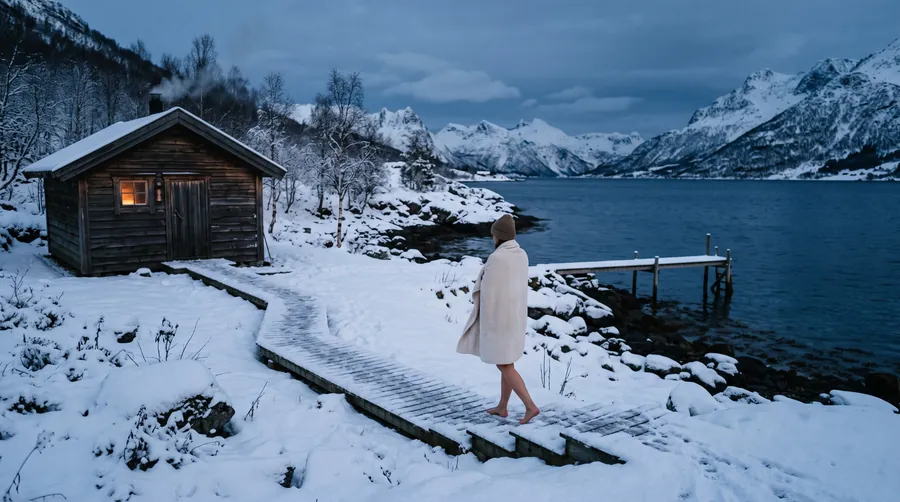
A seven-step ritual of warm lagoon, cold plunge, sauna with a sea view, mist, scrub and steam.
- 18:00Dinner
Arctic char, root vegetables from the greenhouses, no dessert needed.
- 23:00Light
The midnight sun in June, or the aurora from a dark beach in March.
Good to know
Tips for Iceland.
- A local pool costs a few euro; the famous lagoons cost fifty and more. Do both, but make the local pool the daily habit.
- Shower thoroughly without a swimsuit before entering any pool; it is the rule and it is enforced.
- Rent a car for the south coast; the Ring Road is easy in summer and demanding in winter.
- Dress in layers and expect four seasons in a day. Wind, not cold, is the enemy.
- Skyr, rye bread and fish are cheap and good; imported produce and alcohol are not.
Frequently asked questions
Why do Icelanders live so long?
Clean air and water, a fish-rich diet, universal healthcare, high physical activity, strong social ties and a daily pool culture that combines exercise, heat, cold and conversation.
Is cold water swimming safe?
For healthy adults, yes, if you enter slowly, stay short at first and warm up gradually afterwards. People with heart conditions should ask a doctor first.
When is the best time to visit Iceland?
June to August for light and hiking, September to March for the aurora. Winter days are short but the pools are open and glorious in the snow.
Nearby
The next places.
 84
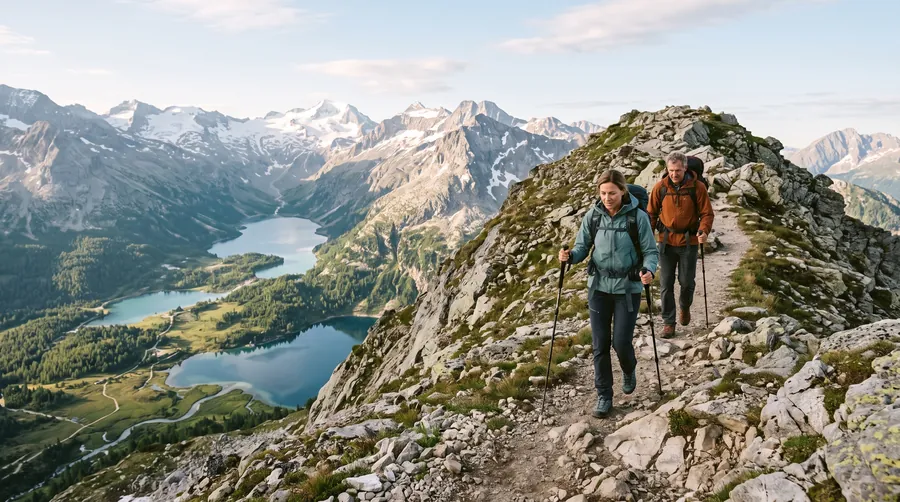
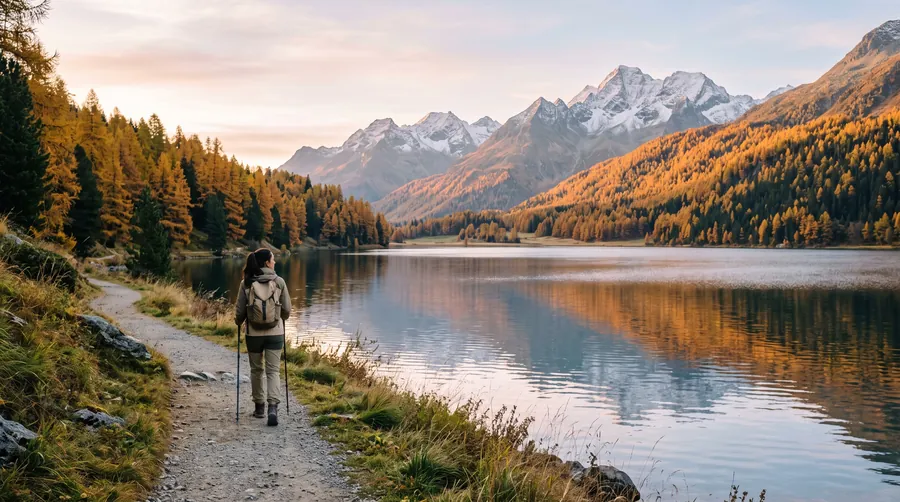
84Switzerland · Upper Engadin, Grisons
Engadin
1,800 metres, dry light and lakes that stay cold in August
 85
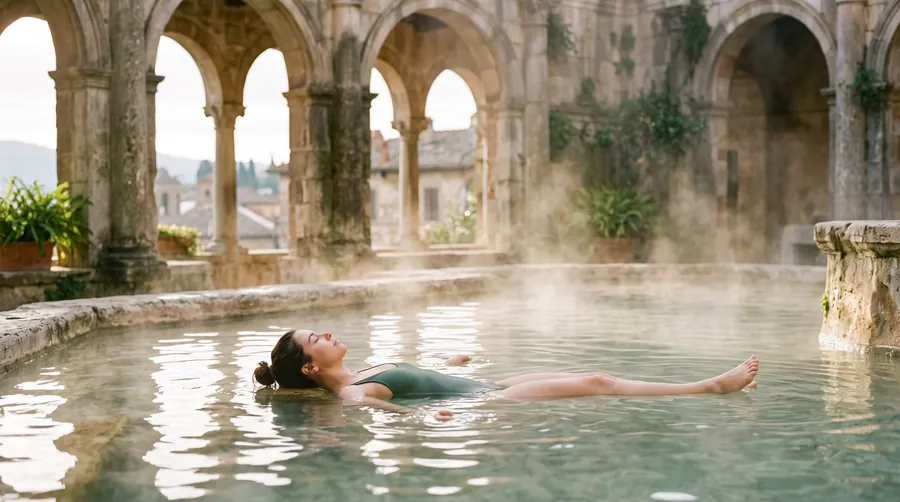
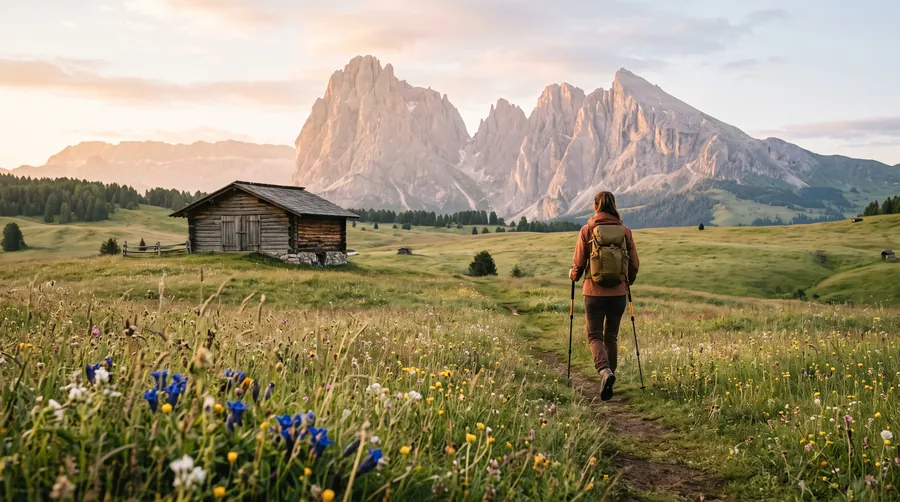
85Italy · Merano and the Dolomites
South Tyrol
Dolomite hikes, apple valleys and the spa culture of Merano
 82
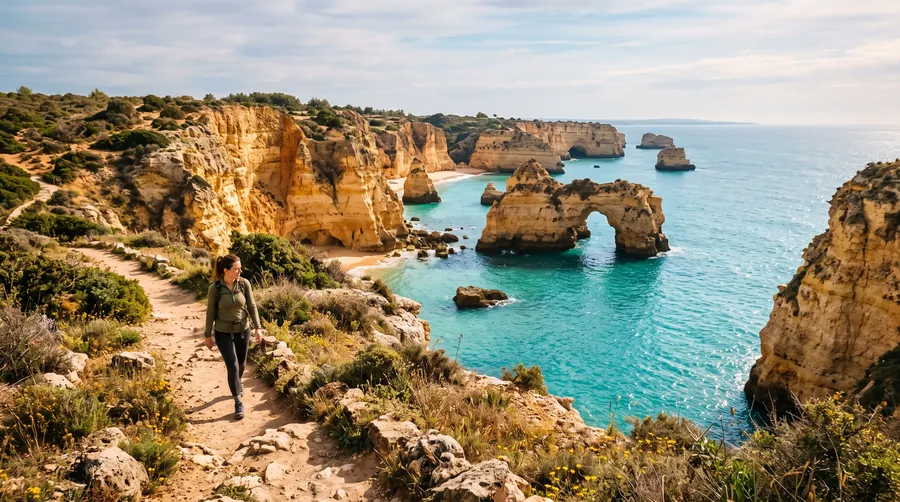
82Portugal · Southern Portugal
Algarve
cliff walks, grilled sardines and the mildest winter in western Europe