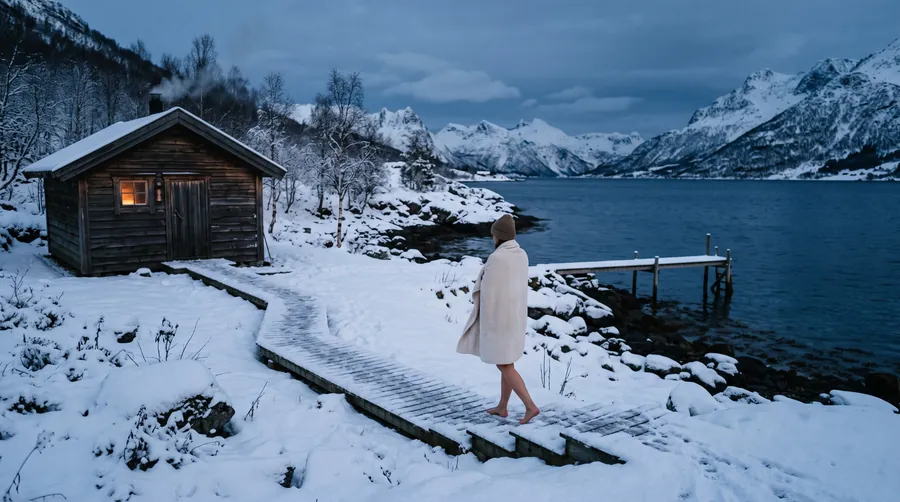
Hot and cold, on purpose
Cold, Heat & Nordic Rituals
The Finns have twenty-year data on sauna and heart disease, the Icelanders have a pool in every town, and the rest of us have discovered that a cold sea in March is not a punishment but a practice.

The Nordic countries turned climate into ritual. Sauna at 80 to 100 degrees several times a week is associated in Finnish studies with lower cardiovascular and all-cause mortality, and a single session lowers blood pressure and improves sleep that night. Cold water, whether a lake, a sea or a plunge pool, triggers a surge of noradrenaline and dopamine that people describe as clarity, and regular exposure appears to improve mood and cold tolerance. The alternation of the two, several rounds, is the ritual, and the conversation in between is the social medicine.
Iceland is the most complete destination: neighbourhood pools with hot pots and cold tubs, geothermal lagoons with sauna circuits, a hot river to hike to and a sea swimming club in the capital. The Alps have adopted the culture: South Tyrol and the Engadin pair sauna with lake swims. Finland and Norway are the originals; Japan’s onsen add a gentler version with cold rinses. Anyone can start at home with a cold shower, but the journey teaches the ritual properly.
Best places for this journey
Where a Nordic journey works best.
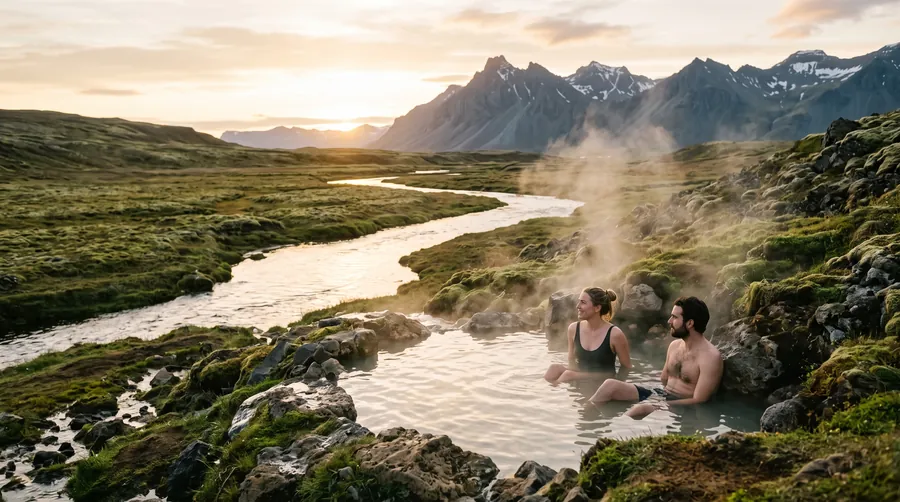 78
78Iceland · Reykjavík and the south-west
Iceland
hot pools, cold sea and the long light of the north
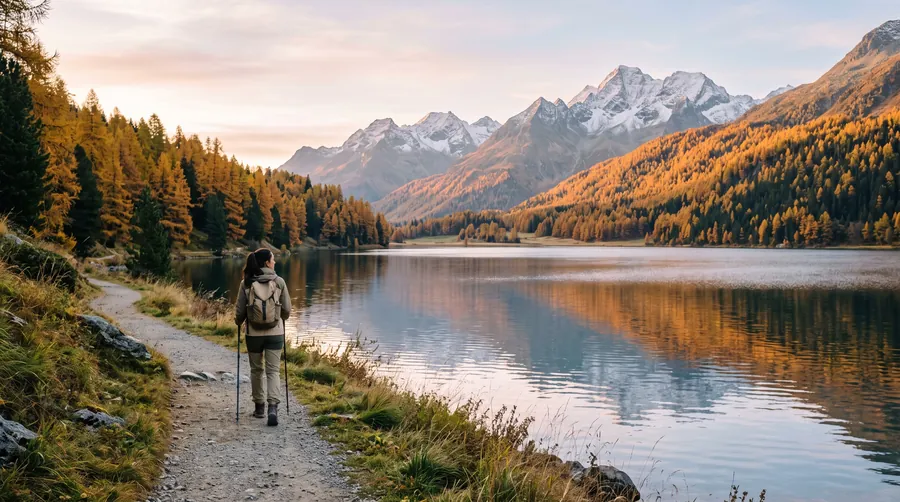 84
84Switzerland · Upper Engadin, Grisons
Engadin
1,800 metres, dry light and lakes that stay cold in August
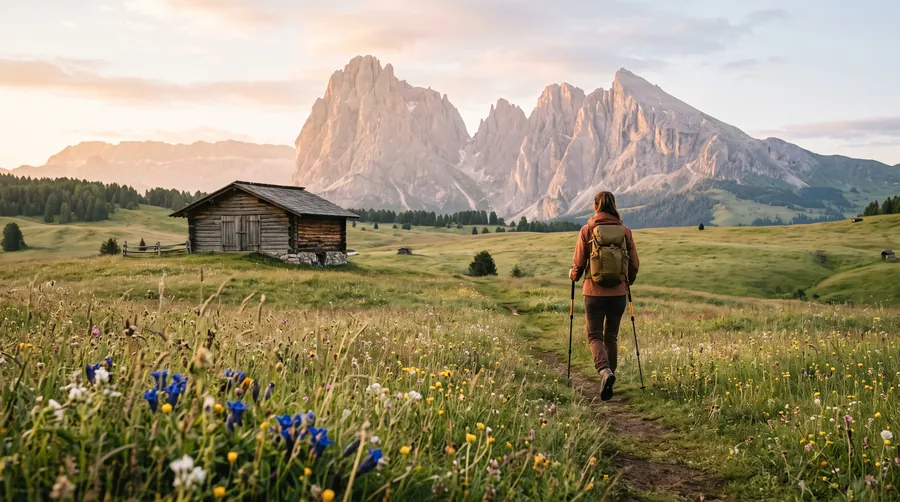 85
85Italy · Merano and the Dolomites
South Tyrol
Dolomite hikes, apple valleys and the spa culture of Merano
 83
83Japan · Kansai and the forests of Kurama
Kyoto
shinrin-yoku, temple gardens and a hot spring in the hills
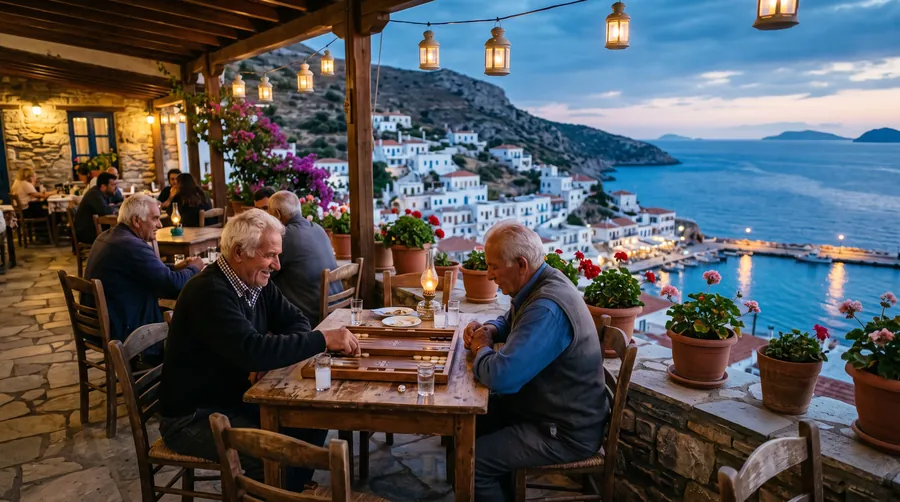 Blue Zone83
Greece · North Aegean
Ikaria
late nights, long naps and wild mountain herbs
Good to know
Before you book.
- Enter cold water slowly and exhale; stay 30 to 90 seconds at first, never alone, never after alcohol.
- Sauna: sit high for heat, low for a longer session. Leave when you want to, not when the timer says.
- Hydrate between rounds. Most sauna fainting is dehydration, not heat.
- People with heart conditions or blood pressure problems should ask a doctor before cold plunges; the first seconds are a shock to the system.
Try it
BreatheA guided breathing circle: four seconds in, seven held, eight out, or the box and coherent patterns.Trip DesignerChoose what the trip should do for you, when you can go, how long and how hard.Vitality ScoreSleep, steps, strength, plants, alcohol, friends, purpose, stress, daylight and breath.Frequently asked questions
Is sauna good for the heart?
Long-term Finnish studies link frequent sauna use (four or more times a week) with markedly lower cardiovascular mortality. The mechanism seems to be repeated mild heat stress, similar to moderate exercise.
Does cold water swimming have proven benefits?
Evidence for mood, alertness and cold tolerance is good; evidence for immunity and inflammation is promising but early. The immediate effect is the strongest argument: try it and see.
Can beginners do the Icelandic pool ritual?
Yes. Start with the warm pool, then the hot pot, then dip the cold tub for ten seconds, then back to the hot pot. Build over the week.
Other journeys
Other ways to travel for your health.
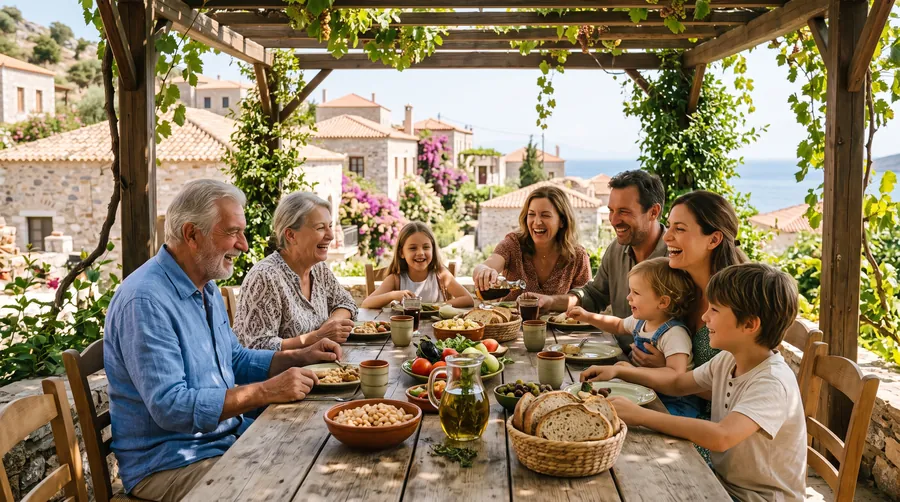
Blue Zone Journeys
a week among people who live to a hundred
Open
Thermal & Spa
mineral springs, thermal towns and the ritual of the bath
Open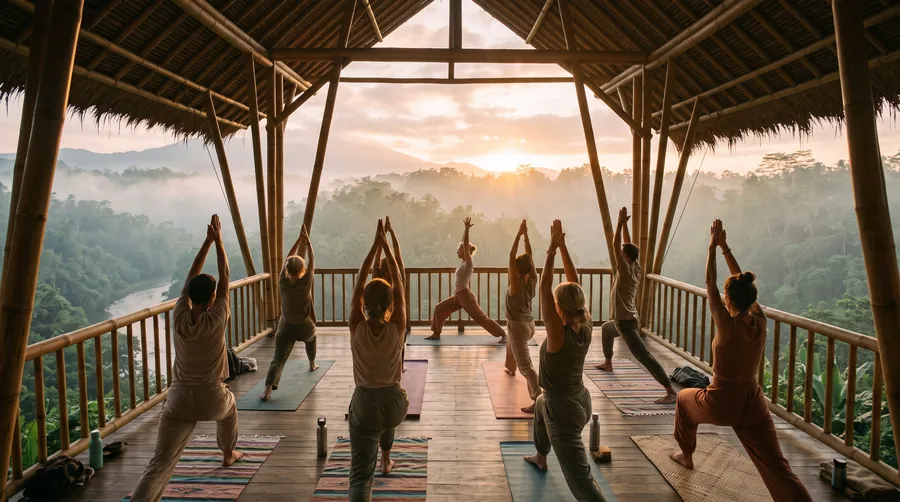
Yoga & Mind Retreats
yoga, breath, meditation and silence in beautiful places
Open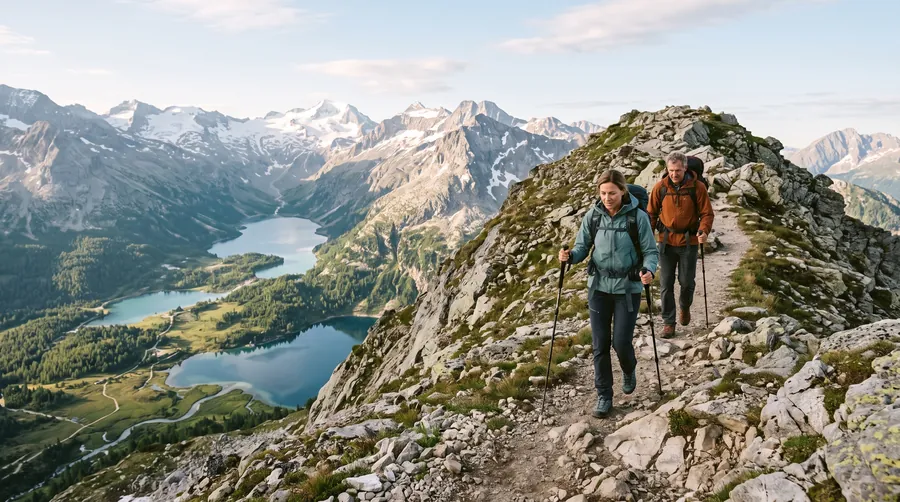
Hiking & Alpine Air
walking holidays, mountain air and the altitude effect
Open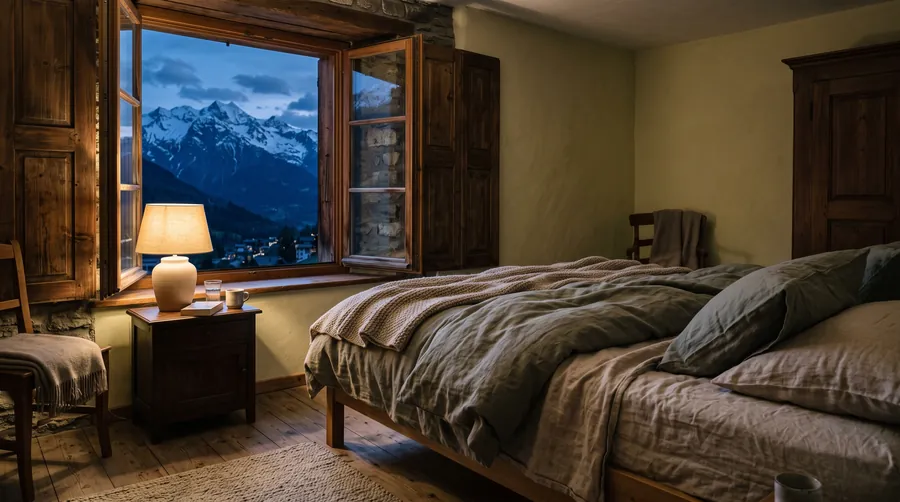
Sleep Retreats
circadian resets, dark rooms and the science of rest
Open
Fasting & Reset
supervised fasting, Ayurvedic cleansing and the art of the smaller plate
Open
Longevity Clinics & Check-ups
preventive diagnostics, VO2max tests and medical longevity programmes
Open