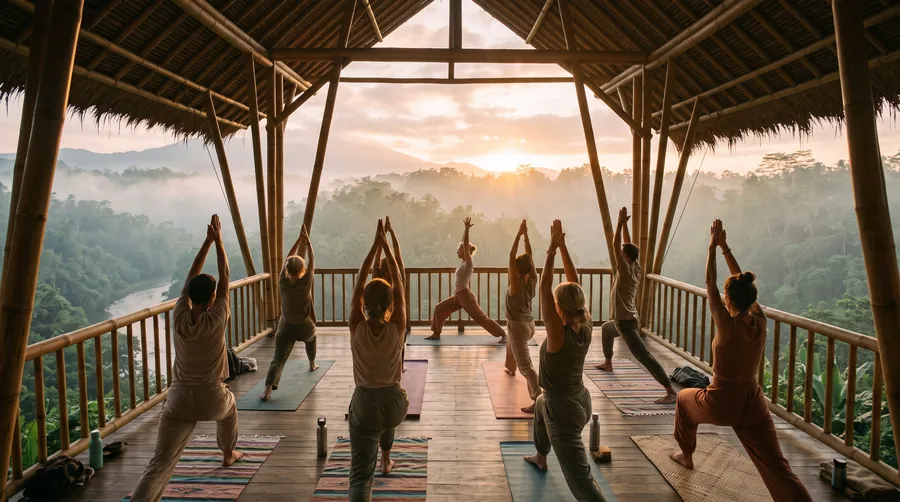
A week that rearranges the head
Yoga & Mind Retreats
A good retreat does one thing for a week: it removes decisions. The schedule, the food and the company are chosen for you, and what is left is a body that moves and a mind that slowly stops.

Retreats have grown from ashrams and monasteries into a global industry, which makes choosing one the main skill. The good ones share a structure: an early start, a long morning practice, simple food, an afternoon of rest or nature, an evening of meditation or breathwork, and no alcohol or screens. The style of yoga matters less than the quality of the teaching and the size of the group. Silent retreats, breathwork weeks and meditation courses follow the same logic with less movement.
The evidence for what happens is decent: regular yoga and meditation lower blood pressure, improve sleep, reduce anxiety and, over months, change how the brain handles stress. A week does not do all of that, but it can start it, and it is the most reliable way to acquire a practice that survives the flight home. Ubud, Kerala, the Algarve, Nicoya and the Greek islands are where the best-run retreats are.
Best places for this journey
Where a yoga retreat works best.
 79
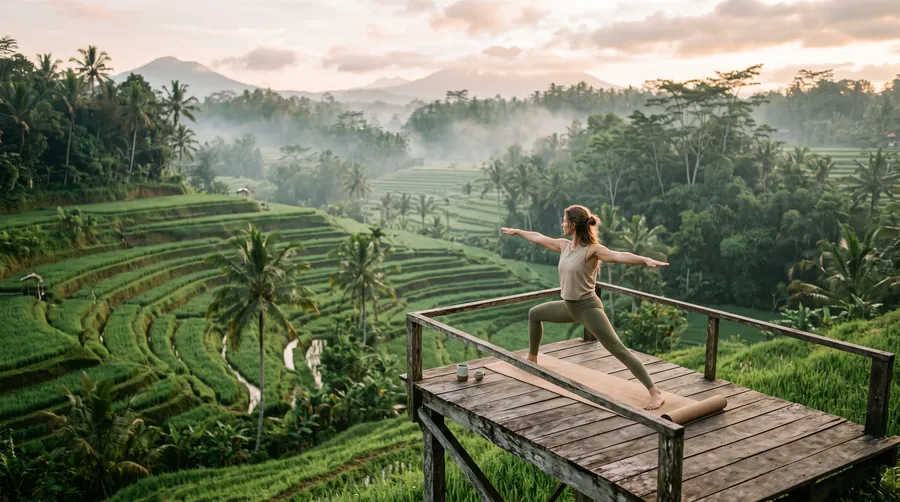
79Indonesia · Central Bali
Ubud
rice terraces, morning yoga and the rhythm of ceremonies
 78
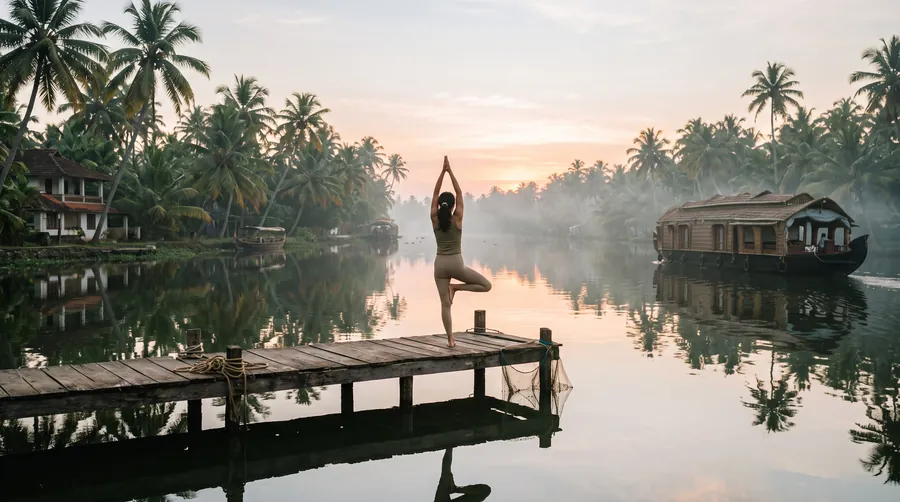
78India · Malabar Coast
Kerala
backwaters, monsoon rains and a 3,000-year-old system of care
 82
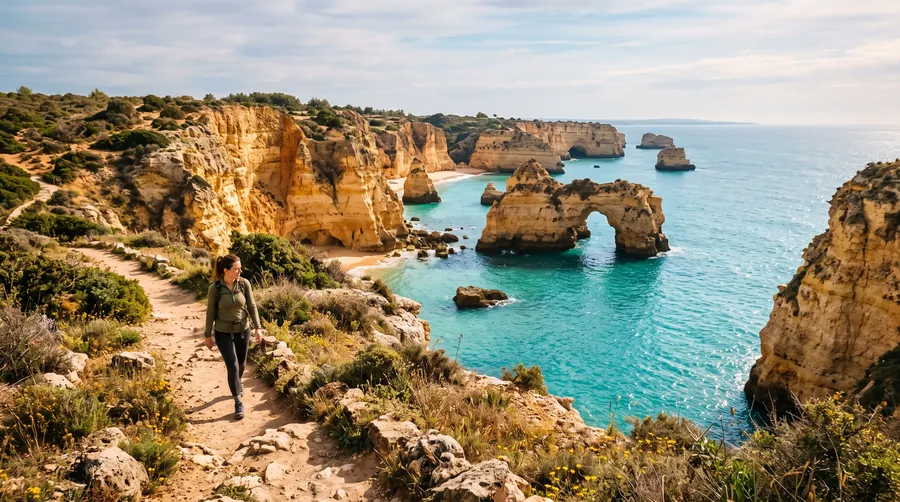
82Portugal · Southern Portugal
Algarve
cliff walks, grilled sardines and the mildest winter in western Europe
 Blue Zone82
Costa Rica · Nicoya Peninsula, Pacific coast
Nicoya
plan de vida, twelve hours of dark and the three sisters on every plate
 Blue Zone83
Greece · North Aegean
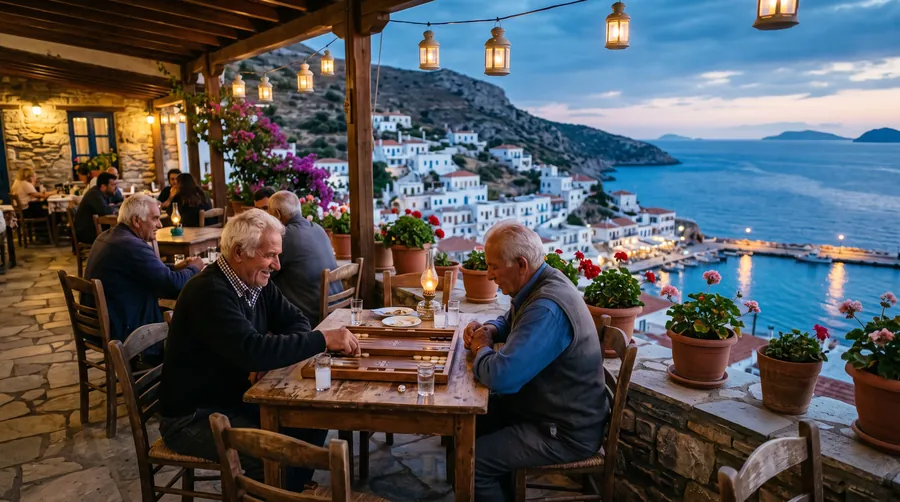
Ikaria
late nights, long naps and wild mountain herbs
 83
83Japan · Kansai and the forests of Kurama
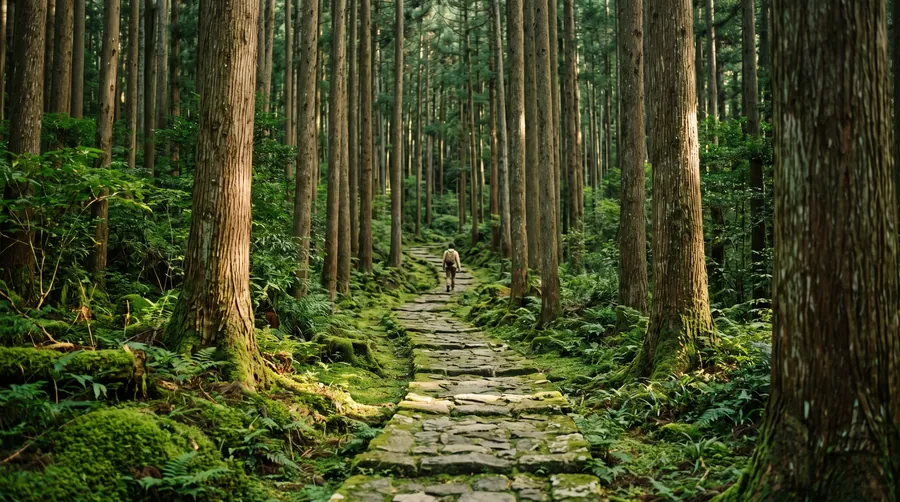
Kyoto
shinrin-yoku, temple gardens and a hot spring in the hills
 83
83Spain · Serra de Tramuntana
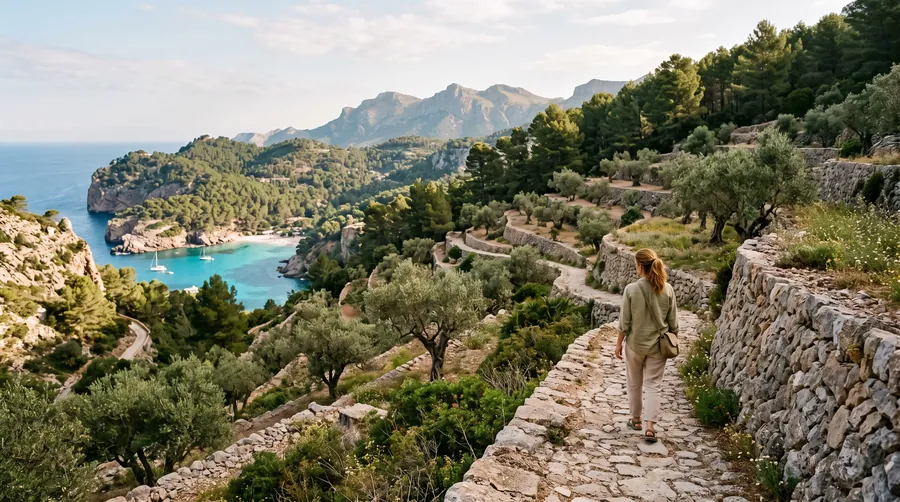
Mallorca
mountain villages, sea swims and the Mediterranean plate in its home
Good to know
Before you book.
- Small groups (under 16), two teachers and a fixed daily schedule are the three signs of a well-run retreat.
- Choose by teacher, not by pool. Read what they have written or watch them teach online first.
- Arrive a day early and leave a day late; the retreat needs a buffer at both ends.
- A silent retreat is harder than a yoga retreat and works better. Try one when yoga feels easy.
Try it
BreatheA guided breathing circle: four seconds in, seven held, eight out, or the box and coherent patterns.Longevity DaySet your wake time, sleep target, eating window, movement and wind-down, and the tool lays out a day built on the six pillars: light first, food in a window, movement before lunch, dark before bed.Trip DesignerChoose what the trip should do for you, when you can go, how long and how hard.Frequently asked questions
Do I need to be flexible or experienced?
No. Good retreats teach beginners; the practice is scaled to the body in the room. Tell the organisers your level when you book.
What does a typical retreat day look like?
Wake at six or seven, tea, ninety minutes of practice, breakfast, free time or a workshop, lunch, rest, an afternoon walk or massage, a gentle evening practice, dinner, meditation, bed by ten.
Is a retreat worth the money compared with classes at home?
The value is the immersion: no decisions, no screens, a schedule and a group. Most people leave with a daily practice they could not build at home in a year.
Other journeys
Other ways to travel for your health.

Blue Zone Journeys
a week among people who live to a hundred
Open
Thermal & Spa
mineral springs, thermal towns and the ritual of the bath
Open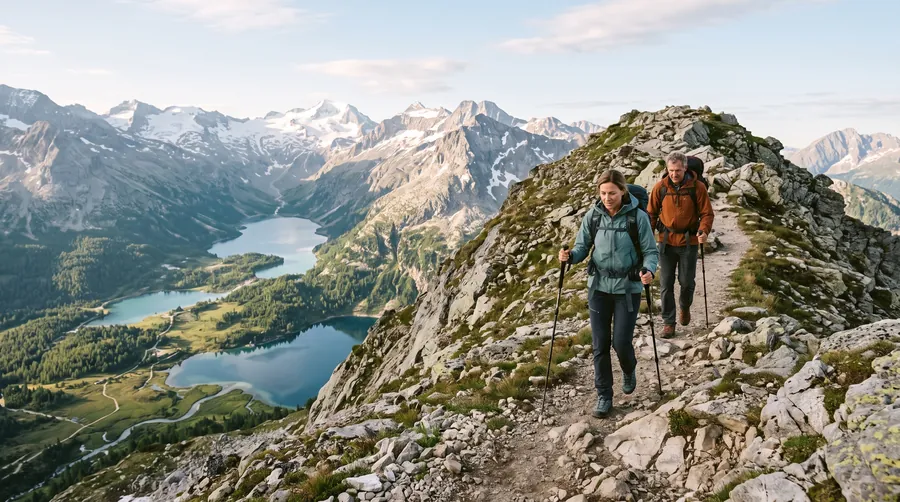
Hiking & Alpine Air
walking holidays, mountain air and the altitude effect
Open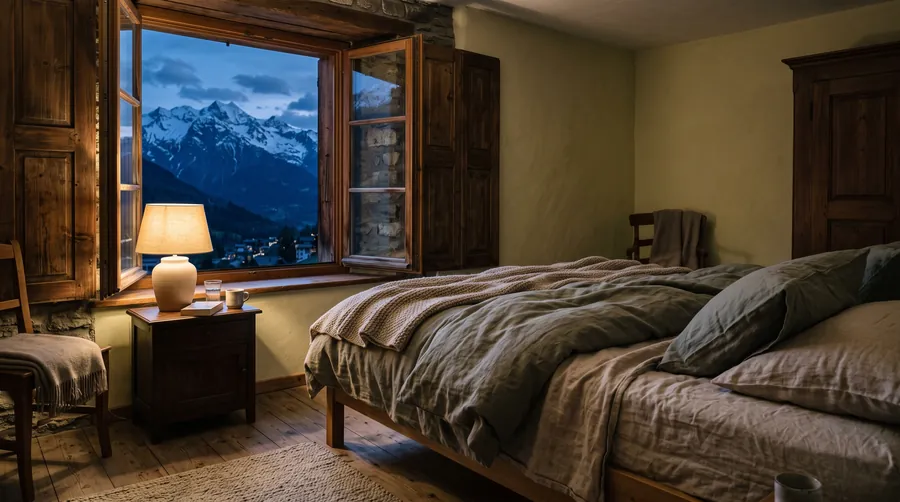
Sleep Retreats
circadian resets, dark rooms and the science of rest
Open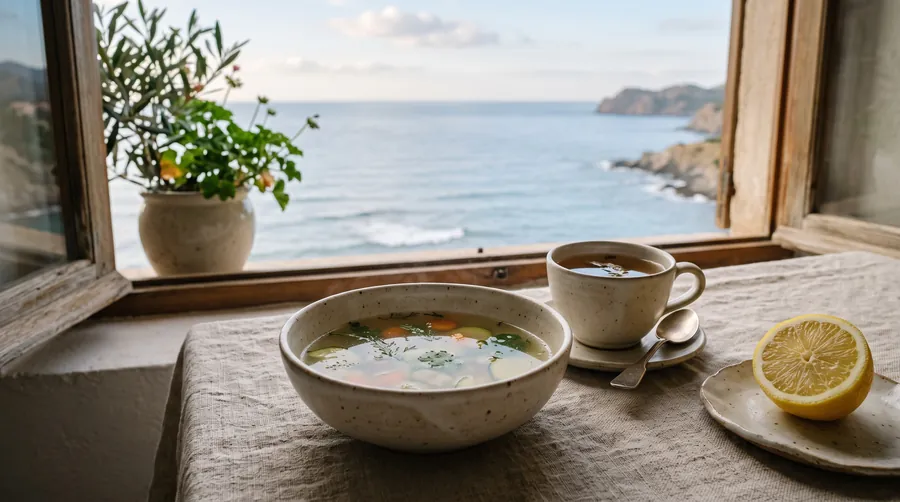
Fasting & Reset
supervised fasting, Ayurvedic cleansing and the art of the smaller plate
Open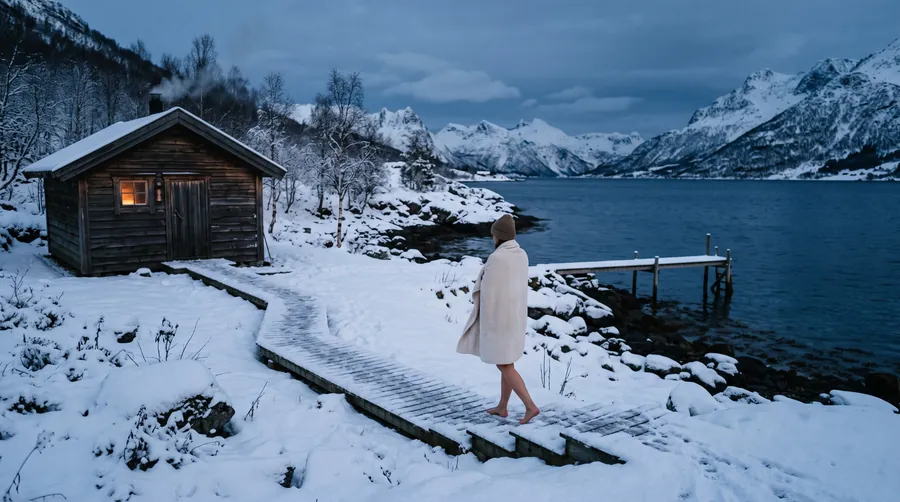
Cold, Heat & Nordic Rituals
sauna, cold water, geothermal pools and the resilience of the north
Open
Longevity Clinics & Check-ups
preventive diagnostics, VO2max tests and medical longevity programmes
Open