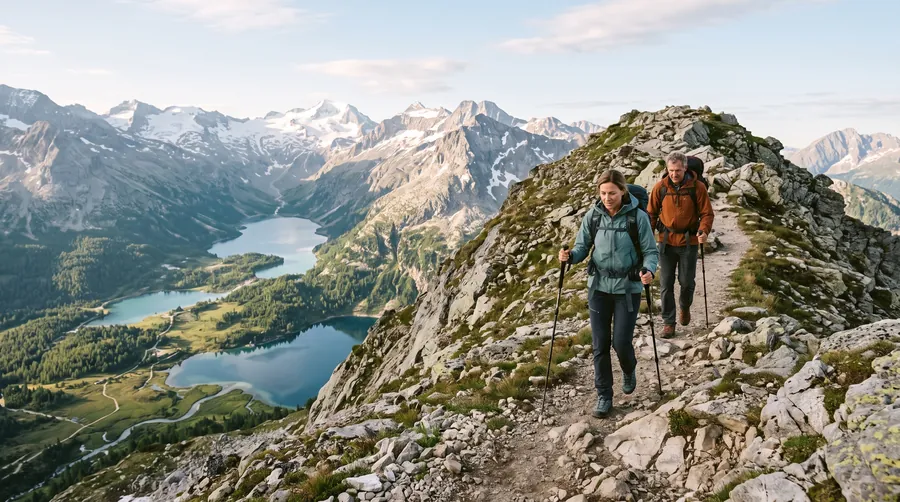
The oldest medicine
Hiking & Alpine Air
Walking is the exercise with the best evidence and the lowest barrier. A week of it in mountains or along a coast adds the two things a gym cannot: altitude and light.

The numbers are clear. Around 7,000 to 8,000 steps a day is where mortality risk drops sharply; brisk walking counts as moderate exercise; and a walking holiday delivers 20,000 steps a day without anyone noticing. Mountains add altitude, which at 1,500 to 2,500 metres stimulates red blood cell production and, after acclimatisation, improves sleep for many people. Coasts add sea air and swims. Both add daylight, which anchors the body clock and lifts mood.
The formats range from a fixed base with day walks (the Engadin, South Tyrol, Mallorca) to stage hikes with luggage transfer (the GR221, the Fishermen’s Trail in the Algarve, the Via Francigena in Tuscany) and pilgrim routes. Japan adds forest bathing around Kyoto; Iceland adds glaciers and hot rivers. The common rule: walk every day, eat well, sleep early, and keep at least one day at half pace.
Best places for this journey
Where a walking journey works best.
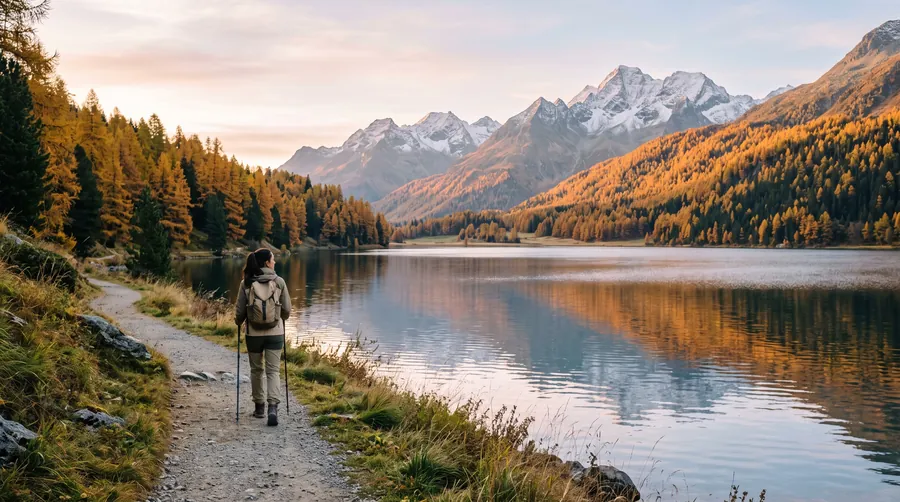 84
84Switzerland · Upper Engadin, Grisons
Engadin
1,800 metres, dry light and lakes that stay cold in August
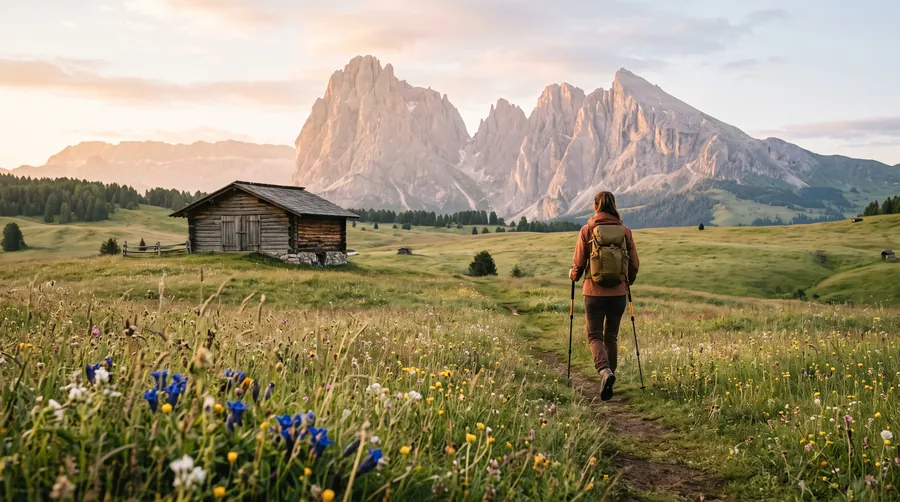 85
85Italy · Merano and the Dolomites
South Tyrol
Dolomite hikes, apple valleys and the spa culture of Merano
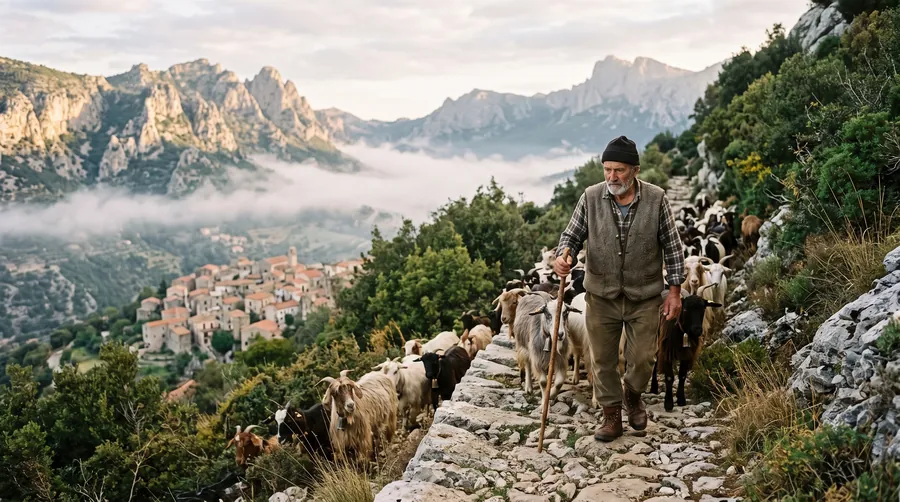 Blue Zone84
Italy · Ogliastra and Barbagia
Sardinia
shepherds’ hills, cannonau wine and family tables
 83
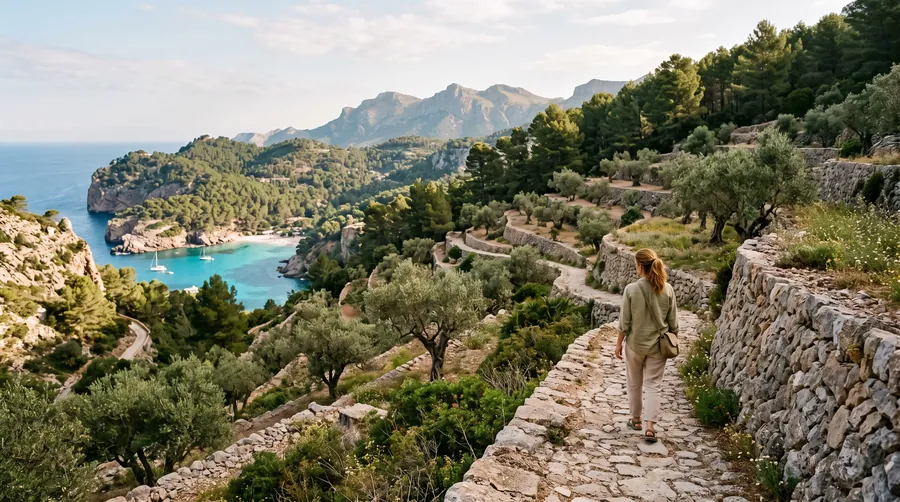
83Spain · Serra de Tramuntana
Mallorca
mountain villages, sea swims and the Mediterranean plate in its home
 82
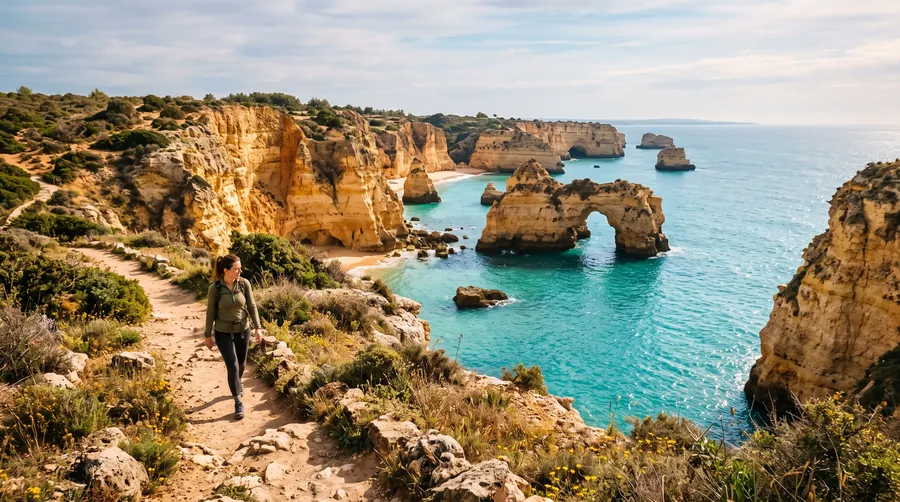
82Portugal · Southern Portugal
Algarve
cliff walks, grilled sardines and the mildest winter in western Europe
 78
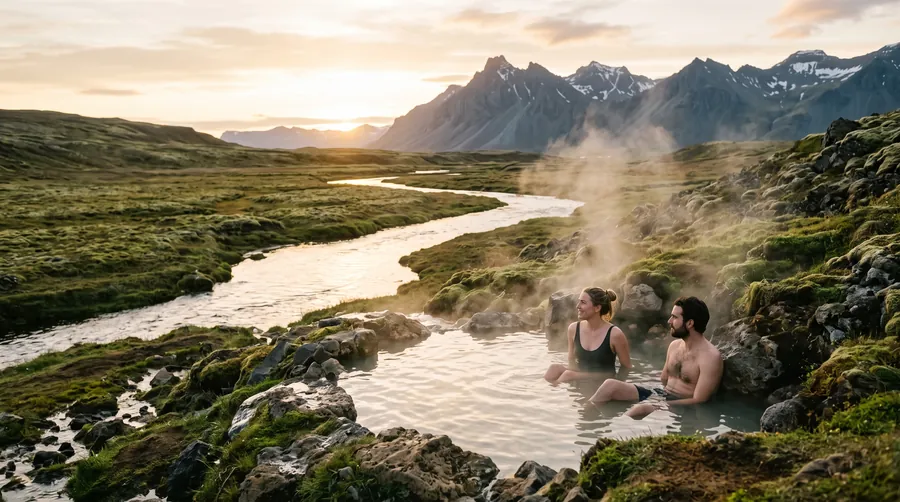
78Iceland · Reykjavík and the south-west
Iceland
hot pools, cold sea and the long light of the north
 83
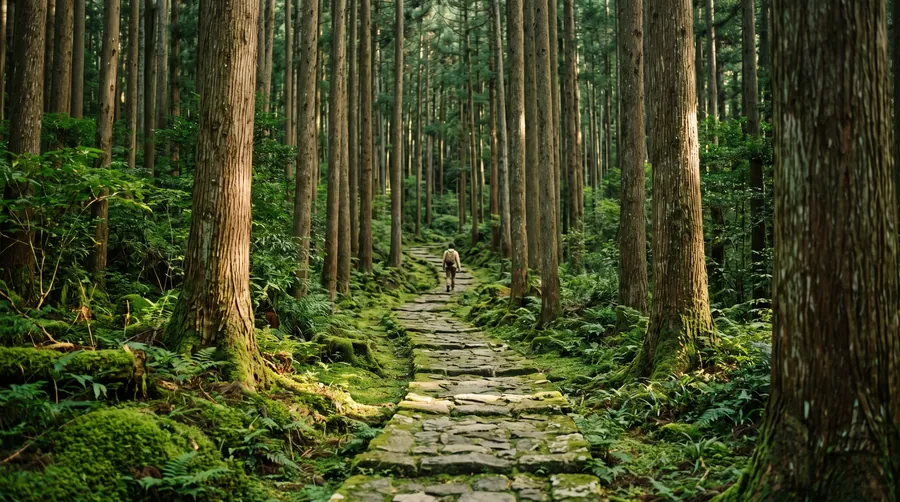
83Japan · Kansai and the forests of Kurama
Kyoto
shinrin-yoku, temple gardens and a hot spring in the hills
 84
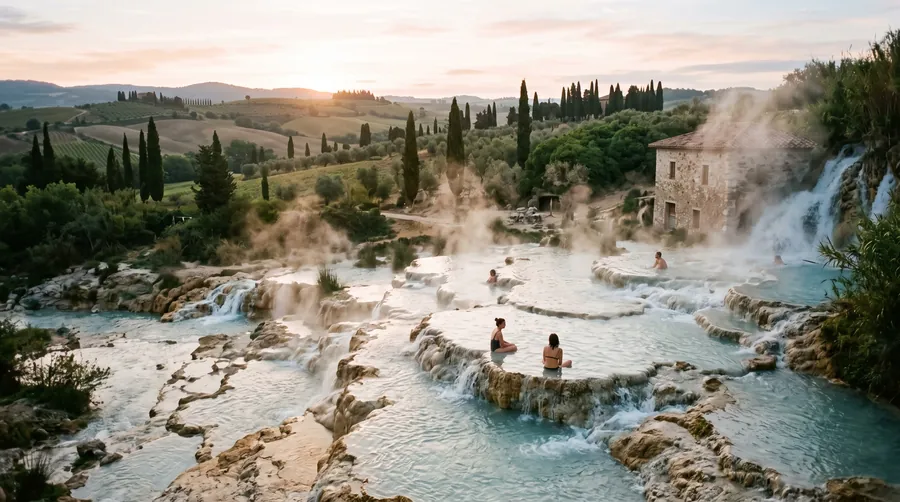
84Italy · Val d’Orcia and the thermal towns
Tuscany
hot springs, olive oil and cypress roads made for walking
Good to know
Before you book.
- Two easy days first, then build. Altitude and enthusiasm both punish a fast start.
- Poles save knees on descents; broken-in shoes save everything.
- Aim for an early start and a long lunch rather than a late start and a rushed descent.
- Swim or bathe after walking; cold water and hot water both help recovery, and the ritual makes the day.
Try it
Walk the WorldEnter your daily steps and height, and the tool converts a year of walking into kilometres and into a journey between the fifteen destinations on this site.Trip DesignerChoose what the trip should do for you, when you can go, how long and how hard.Vitality ScoreSleep, steps, strength, plants, alcohol, friends, purpose, stress, daylight and breath.Frequently asked questions
How many steps a day is enough?
Large studies find the biggest drop in mortality risk between 4,000 and 8,000 steps a day, with benefits continuing up to around 10,000. Speed adds an extra effect.
Is altitude good for you?
Moderate altitude between 1,500 and 2,500 metres is well tolerated by healthy people and brings mild training effects. Above 2,500 metres, acclimatise slowly; above 3,500, take it seriously.
Can I do a walking holiday alone?
Yes, and many people do. Self-guided stage hikes with booked accommodation and luggage transfer combine safety with freedom.
Other journeys
Other ways to travel for your health.
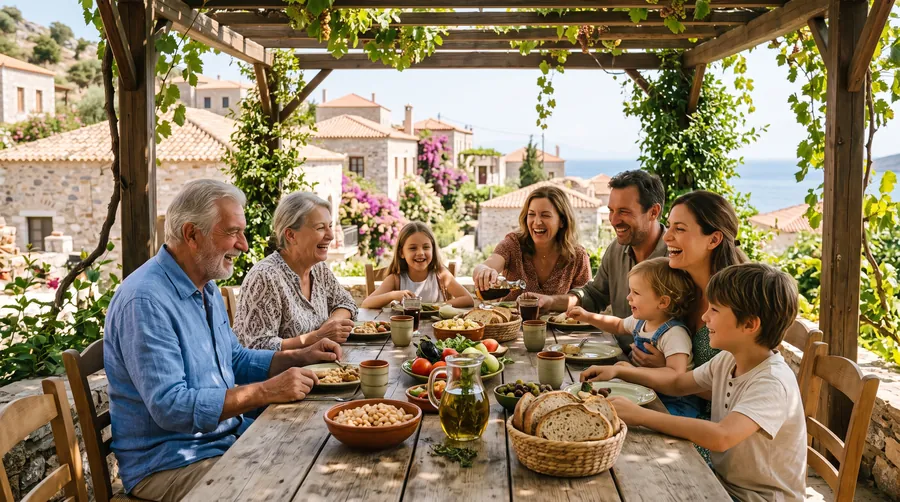
Blue Zone Journeys
a week among people who live to a hundred
Open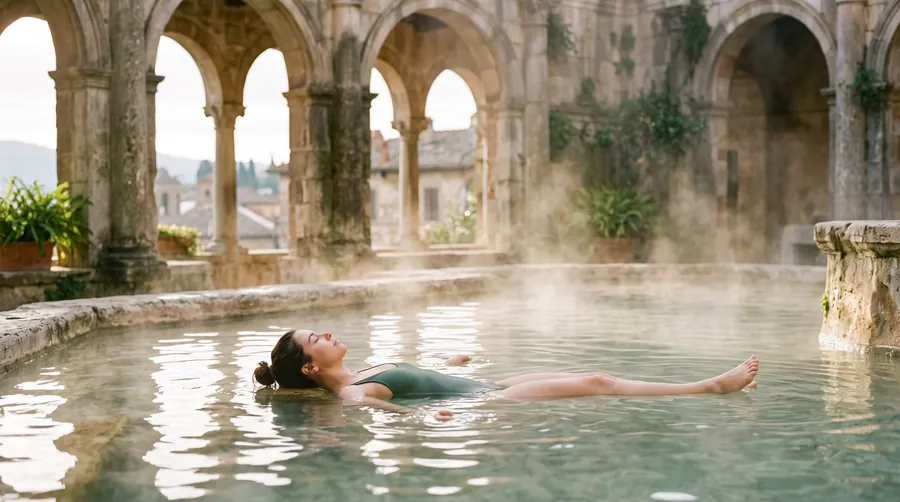
Thermal & Spa
mineral springs, thermal towns and the ritual of the bath
Open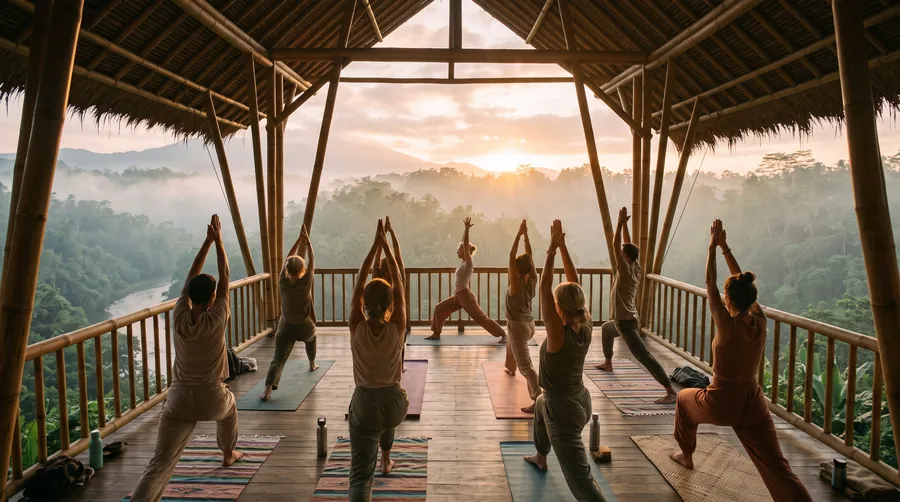
Yoga & Mind Retreats
yoga, breath, meditation and silence in beautiful places
Open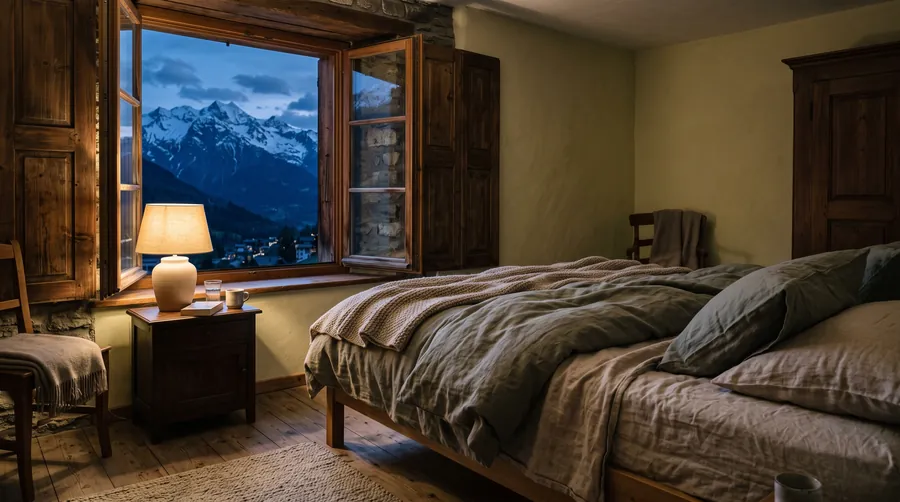
Sleep Retreats
circadian resets, dark rooms and the science of rest
Open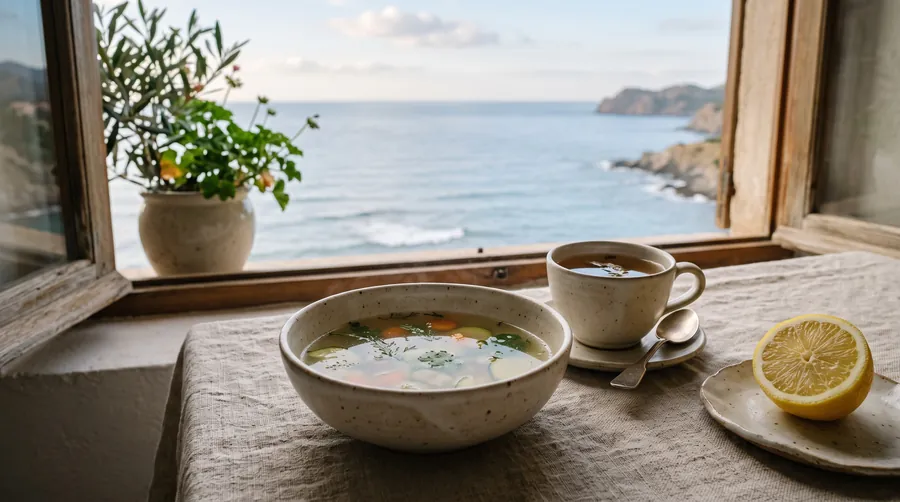
Fasting & Reset
supervised fasting, Ayurvedic cleansing and the art of the smaller plate
Open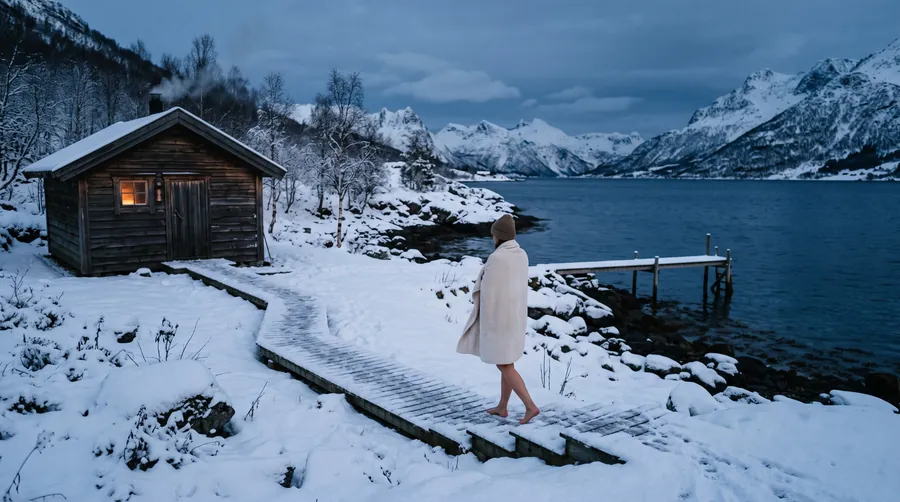
Cold, Heat & Nordic Rituals
sauna, cold water, geothermal pools and the resilience of the north
Open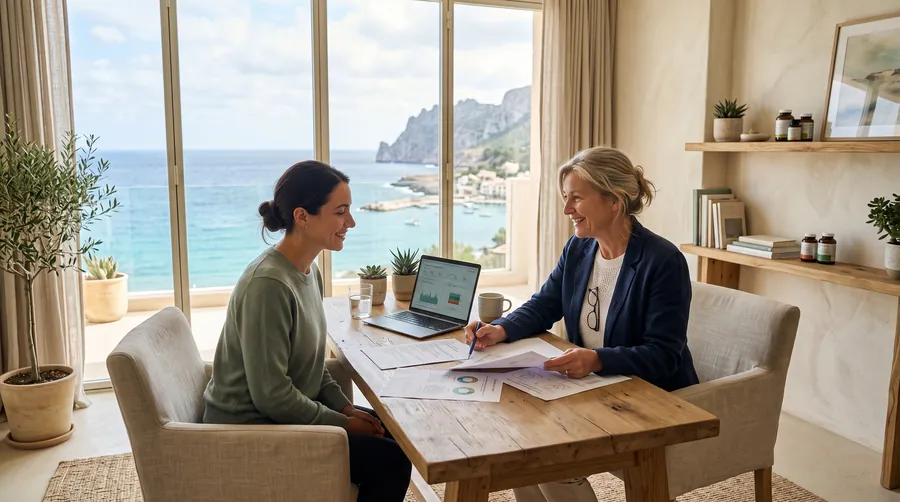
Longevity Clinics & Check-ups
preventive diagnostics, VO2max tests and medical longevity programmes
Open