Walk, lift, climb
Movement
No drug comes close to exercise. Walking most days, strength training twice a week and a few sessions that make you breathe hard cut the risk of almost every major disease and keep you independent into old age.

The evidence stacks up in three layers. Daily movement: 7,000 to 10,000 steps a day, or its equivalent in cycling, gardening or housework, is where mortality curves bend sharply. Cardiorespiratory fitness, measured as VO2max, is among the strongest predictors of lifespan ever recorded, stronger than smoking status, and it improves with sessions that make you breathe hard, from brisk uphill walking to intervals. Strength: muscle mass and grip strength predict how long you live and how well, and they respond to two sessions a week at any age.
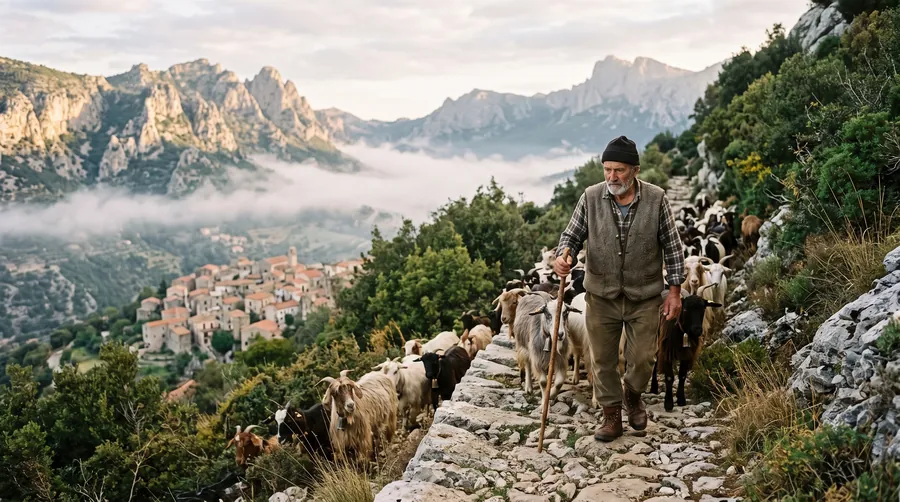
The Blue Zones do not train; they move. Sardinian shepherds walk hills, Okinawans garden and sit on the floor, Nicoyans ride and chop wood, Loma Lindans hike on the Sabbath. The lesson for a modern life is to build movement into the day, walk wherever possible, take the stairs, and add two short strength sessions and one hard effort a week deliberately. Travel is the easiest place to start: a walking holiday delivers all three layers without a gym.
Daily practices
Six practices. Tick what you already do.
Saved in your browser only.
On the road
Keeping it on the road.
- Choose walkable bases: old towns, villages, coasts with paths. A rental car is the enemy of steps.
- Hotel rooms are gyms: fifteen minutes of squats, push-ups, lunges and planks in the morning covers strength.
- Walk from the airport gate to the taxi rank, and from the hotel to dinner. Never take the transfer bus when the walk is under half an hour.
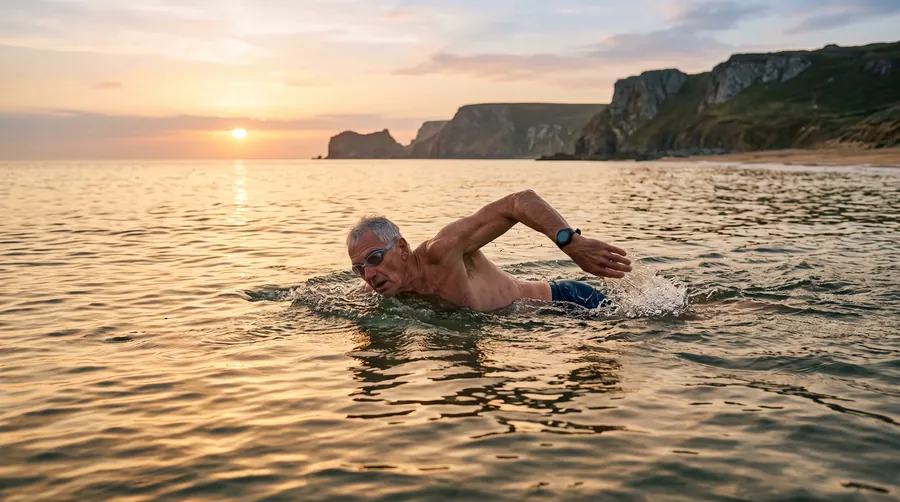
- Swim wherever there is water. Cold sea counts double.
Where it is lived
Places that get this right.
 Blue Zone84
Italy · Ogliastra and Barbagia
Sardinia
shepherds’ hills, cannonau wine and family tables
 84
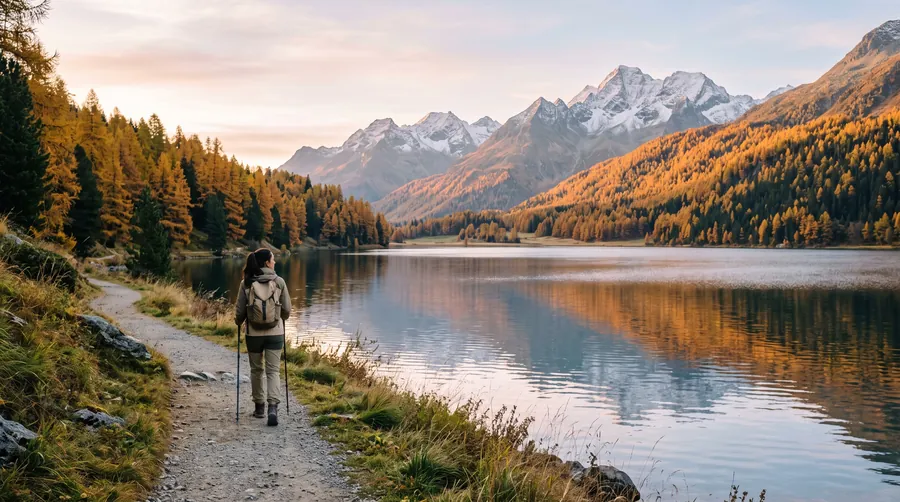
84Switzerland · Upper Engadin, Grisons
Engadin
1,800 metres, dry light and lakes that stay cold in August
 85
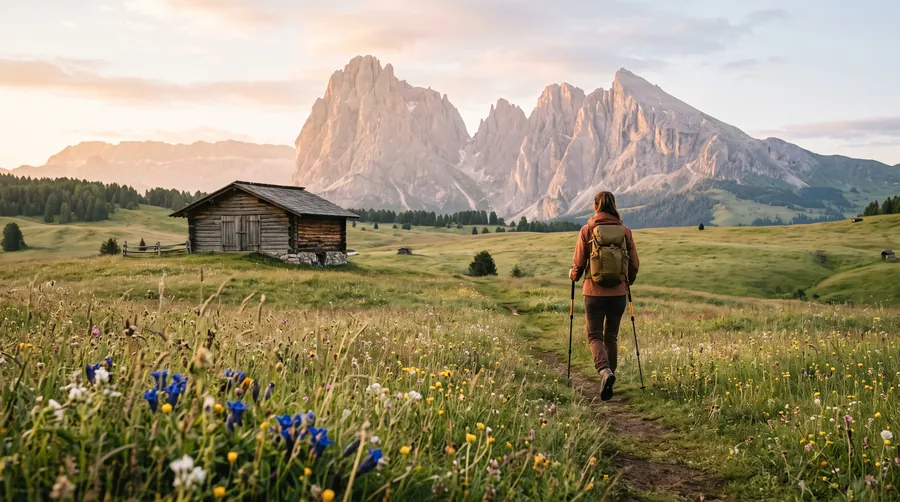
85Italy · Merano and the Dolomites
South Tyrol
Dolomite hikes, apple valleys and the spa culture of Merano
Tools for this pillar
Walk the WorldEnter your daily steps and height, and the tool converts a year of walking into kilometres and into a journey between the fifteen destinations on this site.Vitality ScoreSleep, steps, strength, plants, alcohol, friends, purpose, stress, daylight and breath.Longevity DaySet your wake time, sleep target, eating window, movement and wind-down, and the tool lays out a day built on the six pillars: light first, food in a window, movement before lunch, dark before bed.Frequently asked questions
Is walking enough exercise?
It is the most important part, and 8,000 brisk steps a day covers most of the cardiovascular benefit. Add strength training twice a week and occasional hard efforts, and you have a complete programme.
Am I too old to start strength training?
No. Muscle responds to training at every age, and the gains in strength, balance and independence are largest in people who start late.
What is zone 2?
Exercise at an intensity where you can still speak in sentences, roughly 60 to 70 percent of maximum heart rate. It builds the aerobic base efficiently and is the pace of a brisk uphill walk.
The other pillars
The rest of the six.
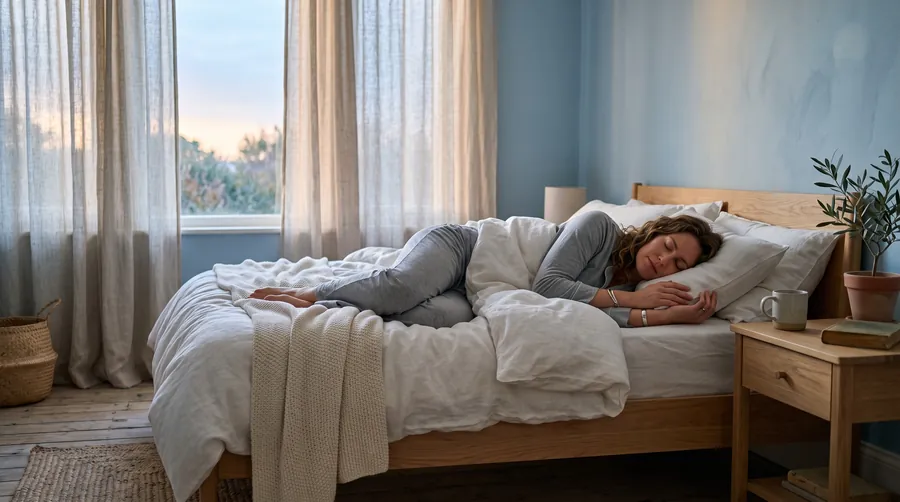
The foundation
Sleep
seven to nine hours, at the same time, in the dark
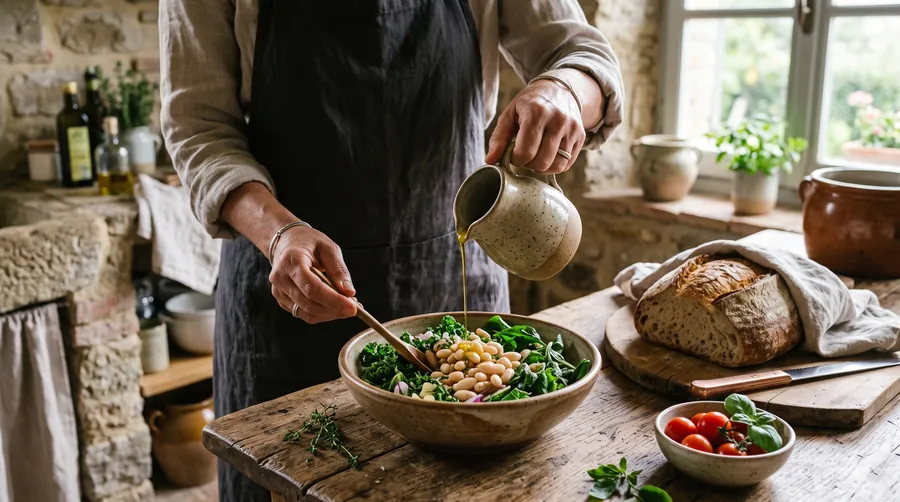
Plants, fibre, protein, oil
Nourishment
the Mediterranean plate, the 80 percent rule and a table you share
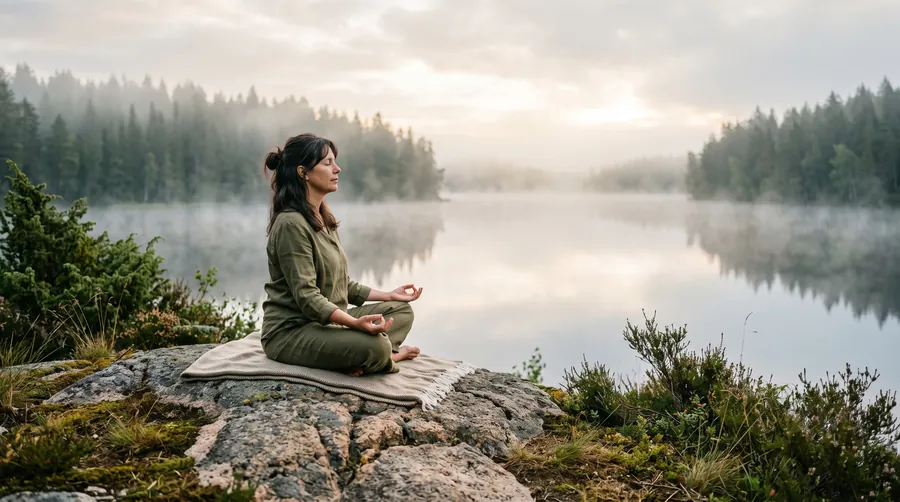
Downshift
Mind & Stress
breath, nature, silence and the daily habit of letting go
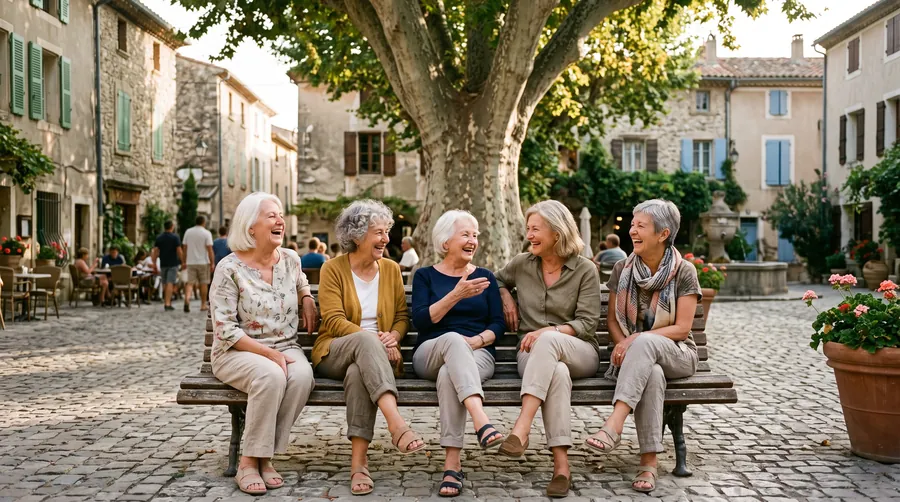
The ingredient nobody sells
Connection & Purpose
a circle of friends, a family that stays close and a reason to get up
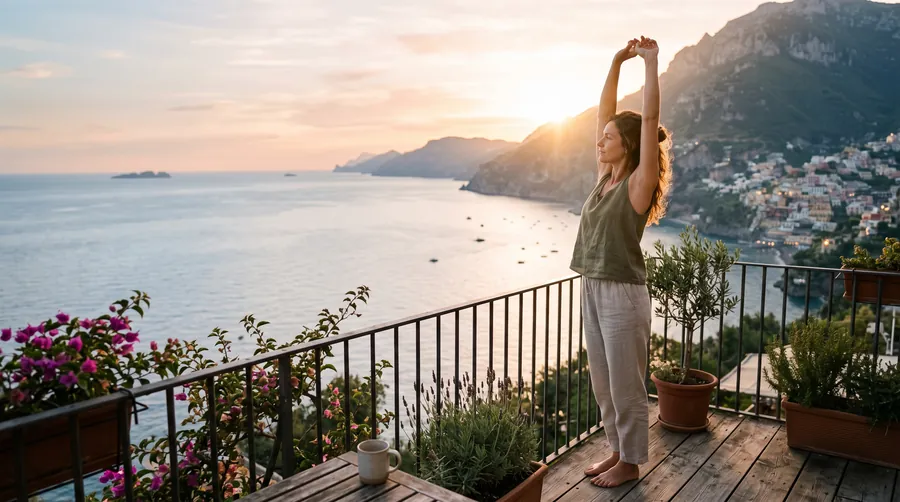
Sun, air, water, cold, heat
Light & Environment
daylight for the clock, clean air for the lungs, sea and sauna for the rest