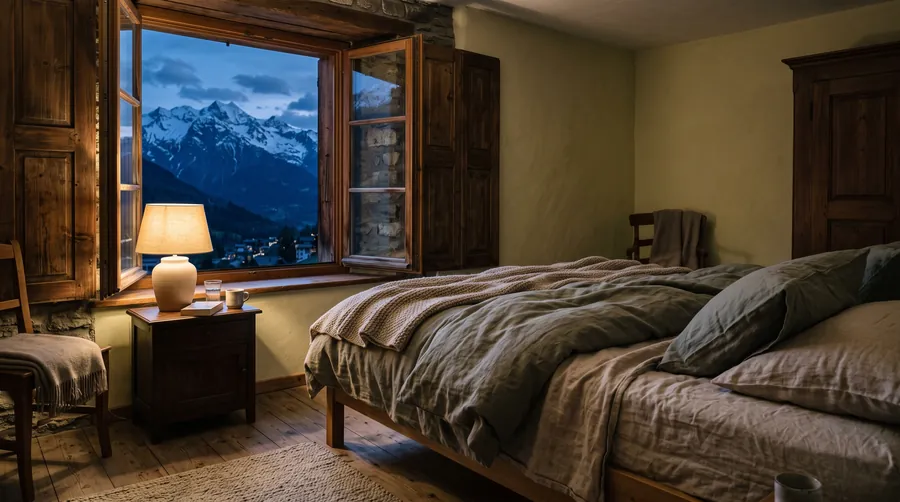
A week of nights
Sleep Retreats
The newest kind of health travel is the oldest human need. A sleep retreat removes light, noise, screens and alcohol, adds daylight, movement and rhythm, and lets a body remember how to sleep.

Poor sleep shortens lives more reliably than most things people worry about, and it is stubborn: a bad rhythm at home resists good intentions. Travel breaks the pattern. A sleep retreat, whether a dedicated programme or a well-chosen quiet place, applies the basics with force: daylight within an hour of waking, movement before noon, meals at fixed times with dinner early, no alcohol or caffeine after lunch, a dark, cool, silent room, and a bedtime that stays the same for a week.
Places that are naturally good at this share features: little artificial light at night, long daylight, hills or sea for exercise, and a culture of early dinners or siestas. Nicoya near the equator has twelve hours of dark every night. Ikaria naps. The Engadin and South Tyrol have altitude, which deepens sleep after acclimatisation, and hotels with no traffic noise. Kerala’s Ayurveda programmes are built around rest. The Algarve in winter has quiet and light.
Best places for this journey
Where a sleep retreat works best.
 Blue Zone82
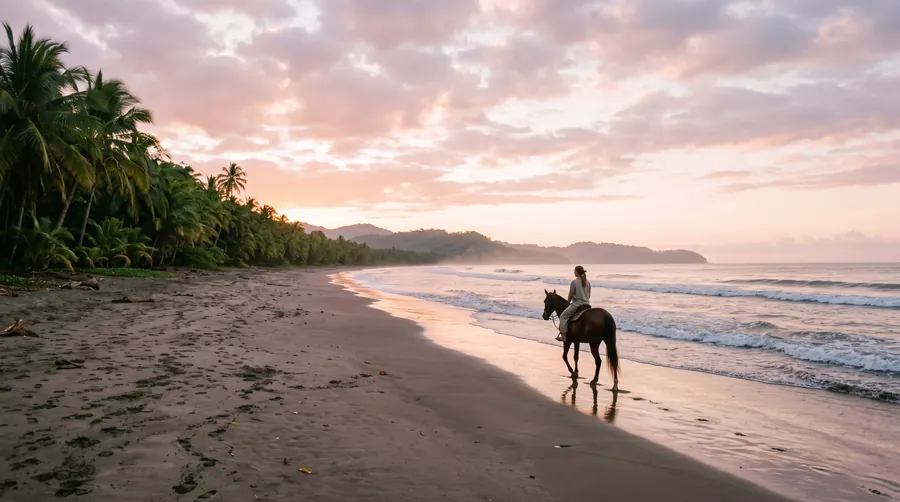
Costa Rica · Nicoya Peninsula, Pacific coast
Nicoya
plan de vida, twelve hours of dark and the three sisters on every plate
 Blue Zone83
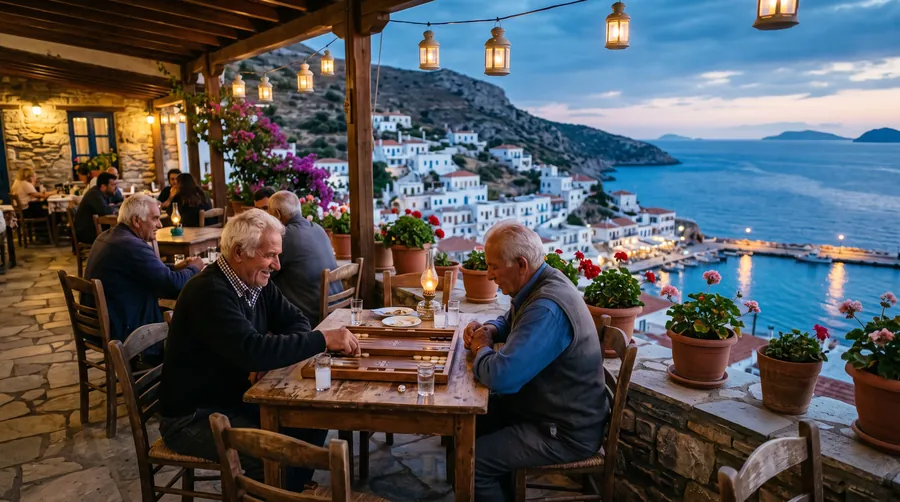
Greece · North Aegean
Ikaria
late nights, long naps and wild mountain herbs
 84
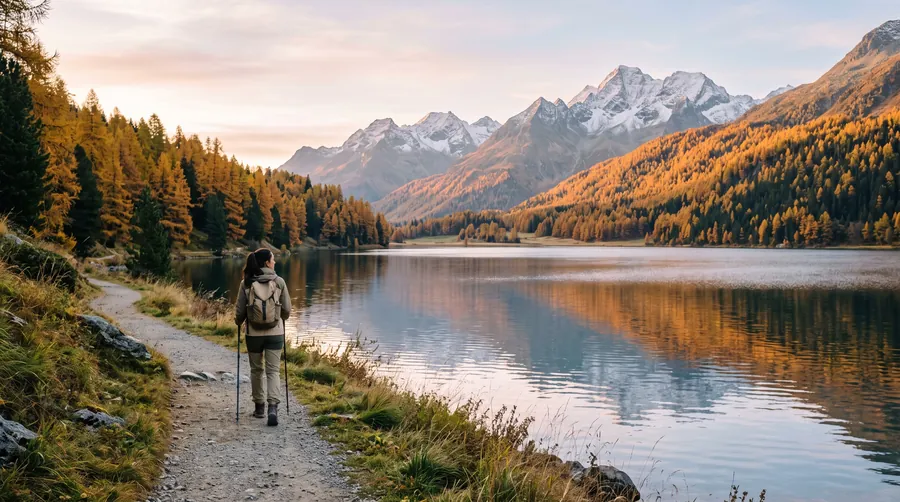
84Switzerland · Upper Engadin, Grisons
Engadin
1,800 metres, dry light and lakes that stay cold in August
 85
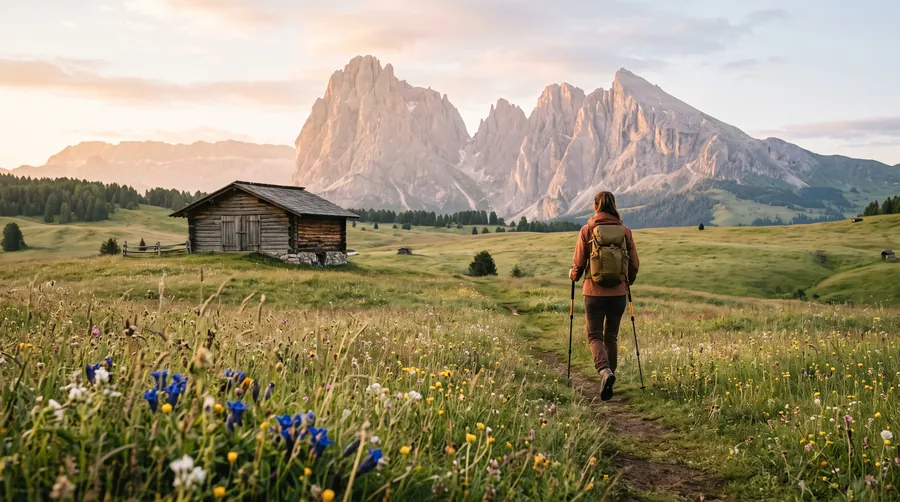
85Italy · Merano and the Dolomites
South Tyrol
Dolomite hikes, apple valleys and the spa culture of Merano
 78
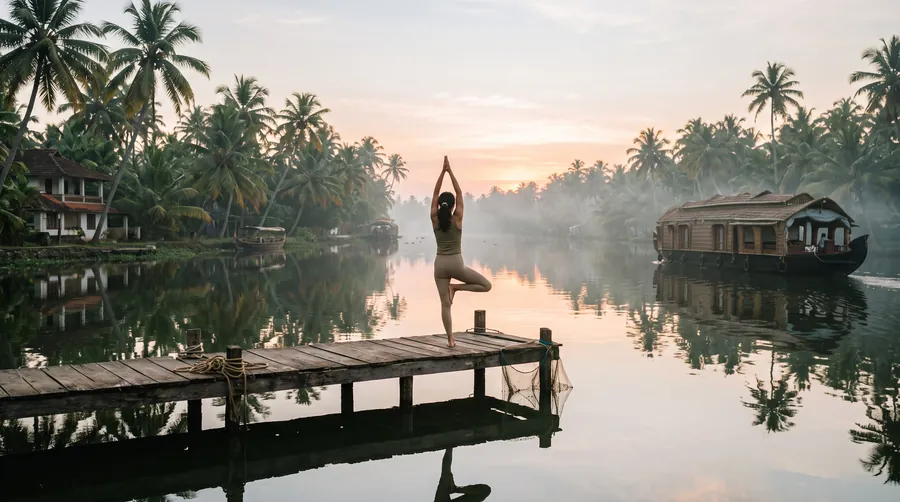
78India · Malabar Coast
Kerala
backwaters, monsoon rains and a 3,000-year-old system of care
 82
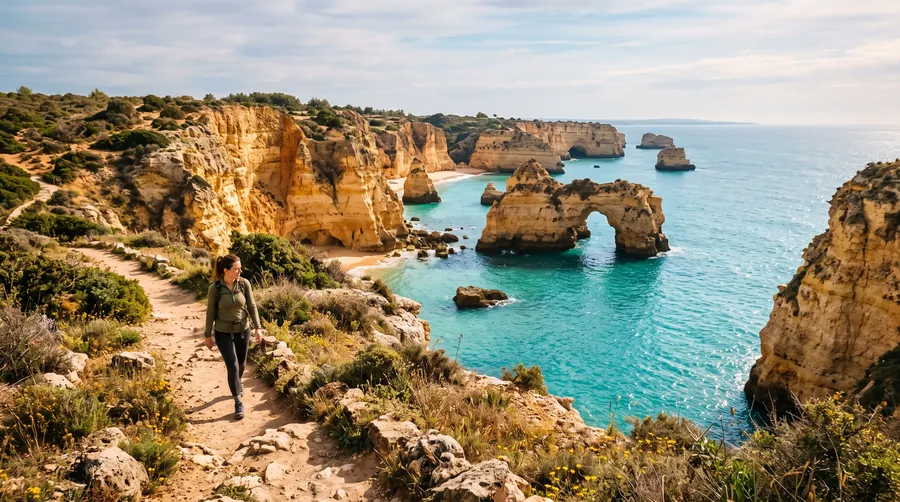
82Portugal · Southern Portugal
Algarve
cliff walks, grilled sardines and the mildest winter in western Europe
 79
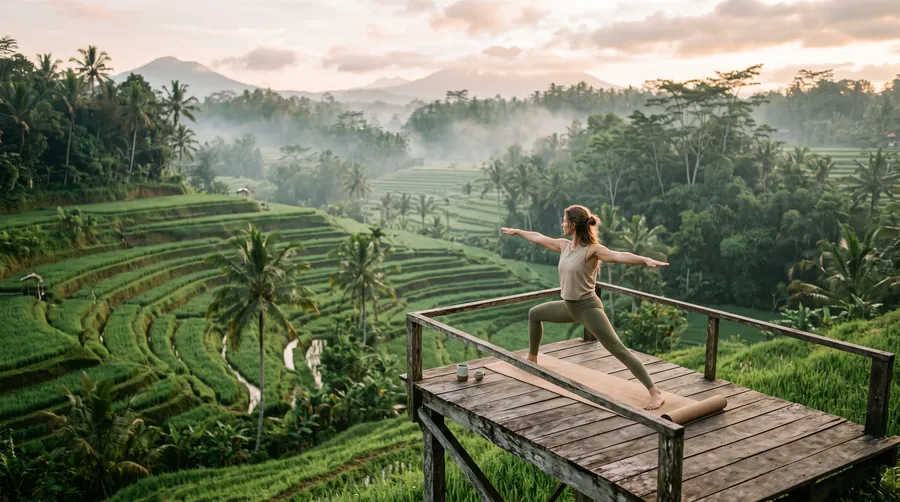
79Indonesia · Central Bali
Ubud
rice terraces, morning yoga and the rhythm of ceremonies
Good to know
Before you book.
- Book a room facing away from the road and ask about blackout blinds; a sleep mask is the cheap fix.
- Daylight first thing: sit outside for twenty minutes before coffee. This single habit sets the clock.
- No alcohol for the week. It is the most common cause of bad sleep on holiday.
- Keep the wake time on the flight home and for the following week; the retreat is the start, not the whole cure.
Try it
Longevity DaySet your wake time, sleep target, eating window, movement and wind-down, and the tool lays out a day built on the six pillars: light first, food in a window, movement before lunch, dark before bed.Jet Lag PlannerEnter where you fly from and to, and the planner builds a three-day light, sleep and meal schedule before the flight and after landing, based on how the body clock actually shifts.BreatheA guided breathing circle: four seconds in, seven held, eight out, or the box and coherent patterns.Frequently asked questions
What is a sleep retreat?
A stay of a week or more built around fixed sleep and wake times, daylight, exercise, early dinners, no alcohol and a dark quiet room, sometimes with sleep tracking and coaching.
Can a week really fix sleep?
It can reset the rhythm and prove that better sleep is possible. Keeping it needs the same rules at home, which is easier once you have felt the difference.
Is altitude good for sleep?
Not the first two nights, when many people sleep lightly. From the third night at moderate altitude, sleep is often deeper and more regular.
Other journeys
Other ways to travel for your health.
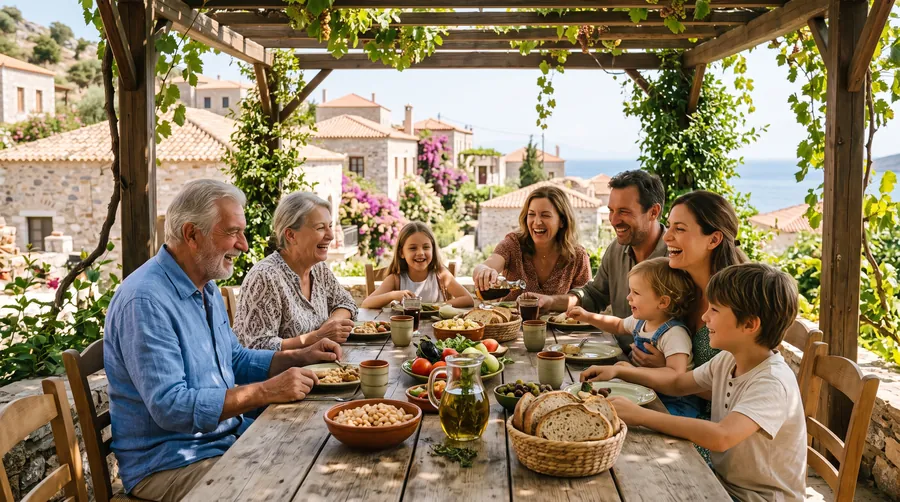
Blue Zone Journeys
a week among people who live to a hundred
Open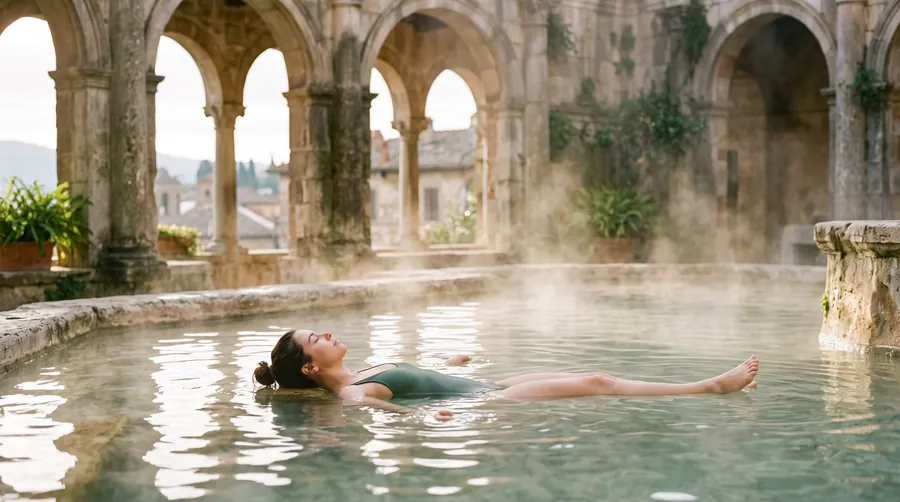
Thermal & Spa
mineral springs, thermal towns and the ritual of the bath
Open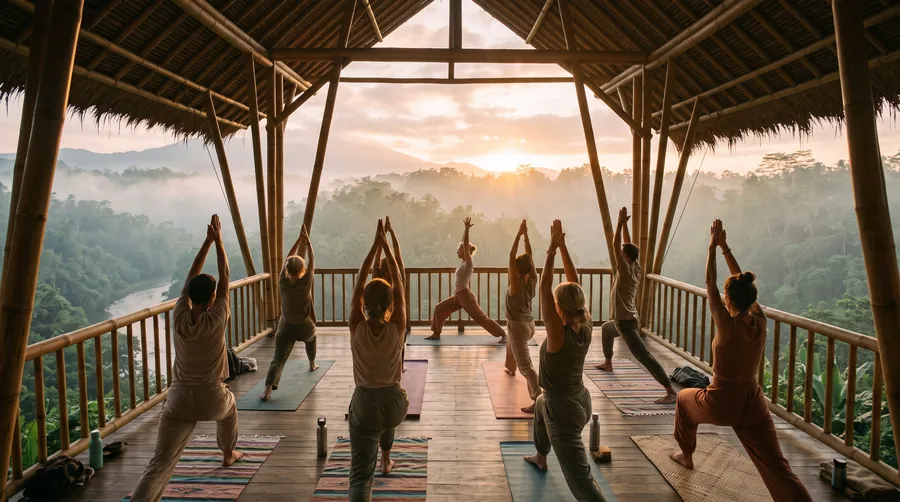
Yoga & Mind Retreats
yoga, breath, meditation and silence in beautiful places
Open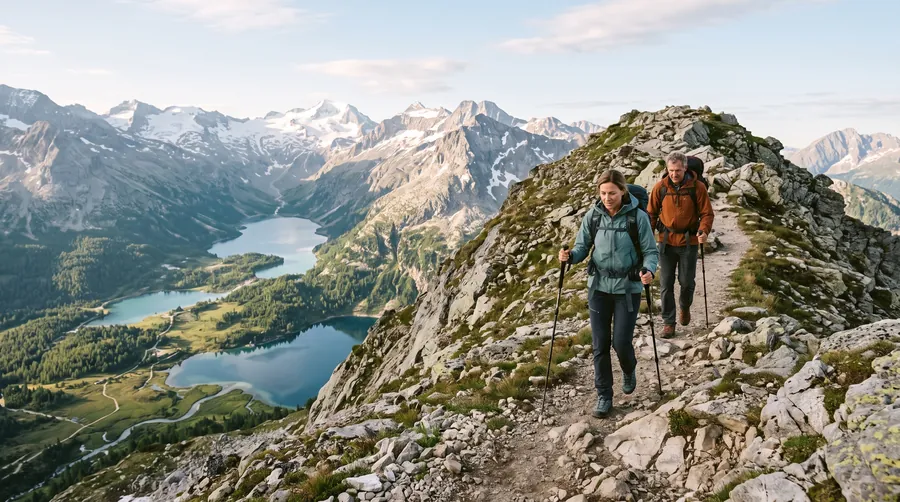
Hiking & Alpine Air
walking holidays, mountain air and the altitude effect
Open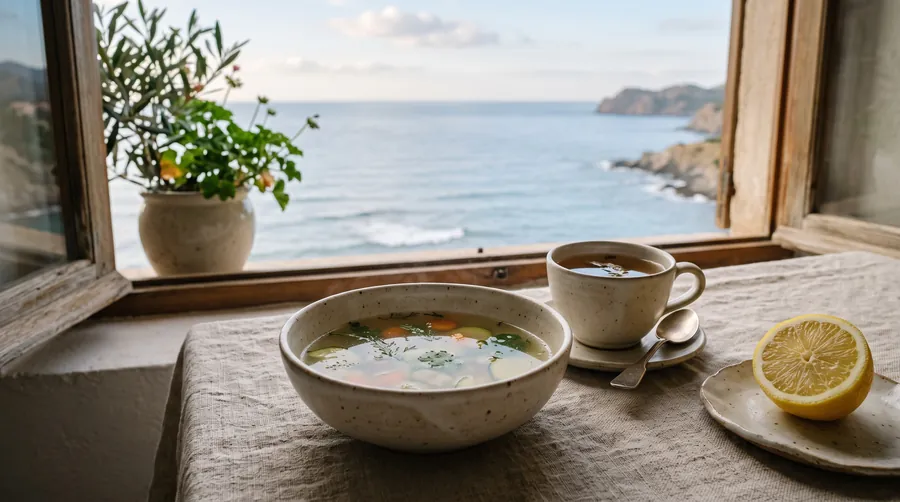
Fasting & Reset
supervised fasting, Ayurvedic cleansing and the art of the smaller plate
Open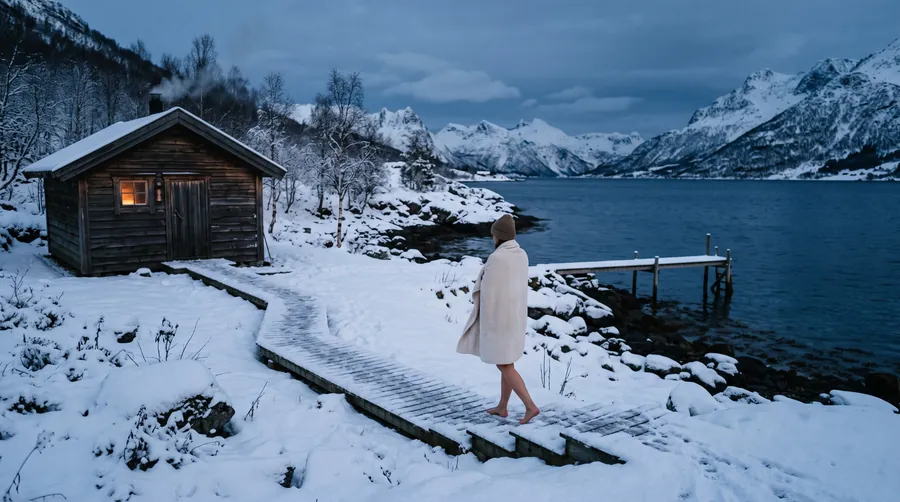
Cold, Heat & Nordic Rituals
sauna, cold water, geothermal pools and the resilience of the north
Open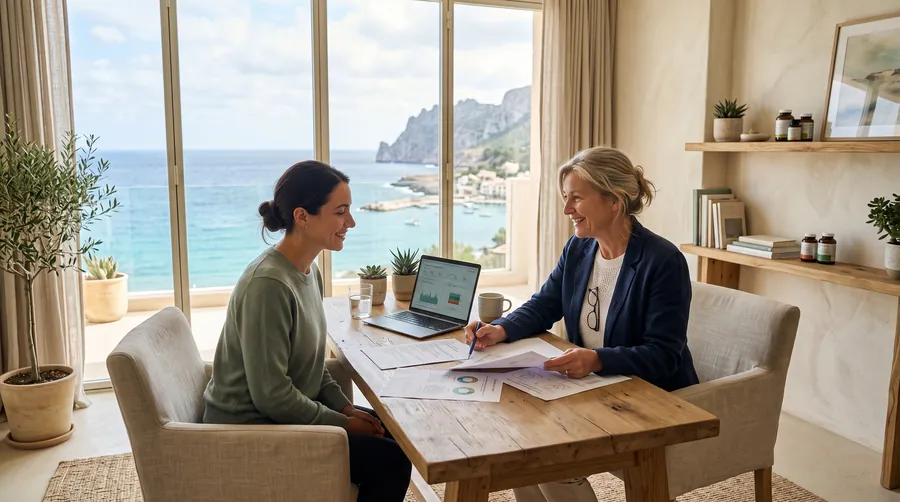
Longevity Clinics & Check-ups
preventive diagnostics, VO2max tests and medical longevity programmes
Open