Blue Zone · Japan
Okinawa
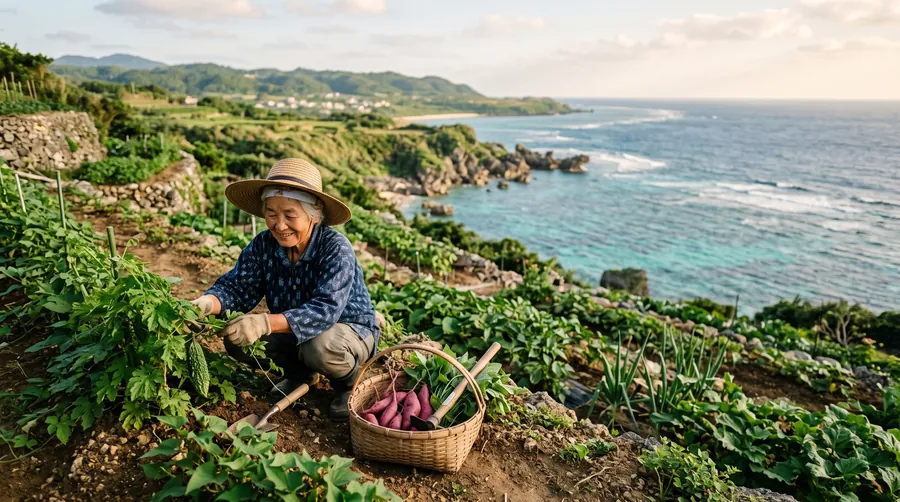
The island where women live longer than anywhere else on earth eats until it is eighty percent full, meets the same five friends for sixty years and gardens until ninety.

Okinawa is the southernmost Blue Zone and the one with the clearest rules. Hara hachi bu, the Confucian reminder to stop eating at eighty percent, is said before meals. The moai, a small circle of friends formed in childhood, meets weekly for a lifetime and pays for each other’s funerals. Purple sweet potato, bitter melon, tofu, seaweed and turmeric tea carry most of the calories; meat and fish are side dishes, not centres.
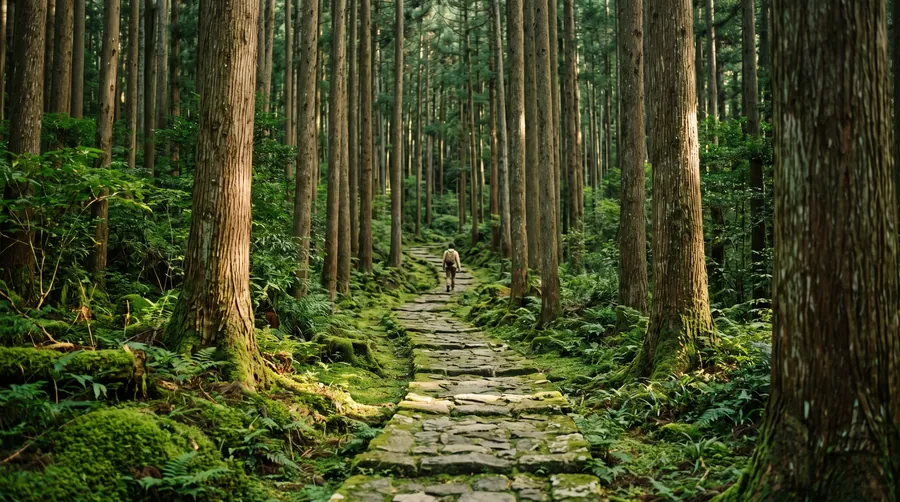
For a traveller the island works best away from Naha. The northern Yanbaru forest, the village of Ogimi with its longevity monument, the coral coast around Cape Maeda and the islands off Motobu give a week its rhythm: an early walk, a garden visit, a swim, a long lunch, an early night. Elders still tend gardens at dawn; the light is kind and the sea is warm until November.
The lesson to bring home is not a recipe but a table. Eat vegetables first, stop before you are full, keep a few people close enough to call every week, and have a reason to get up. Okinawans call it ikigai. It costs nothing and it travels.
The longevity profile
- Best months
- Mar · Apr · May · Oct · Nov
- Ideal stay
- 7 to 10 days
- Budget
- €€€€
- Night from
- €140
Signature ritual: Say hara hachi bu before the meal and put the chopsticks down at eighty percent.
A day in Okinawa
From first light to last light.
- 06:00Garden light
A walk through Ogimi at dawn, when the elders are already in their gardens and the air smells of shikuwasa lime.
- 08:00Breakfast
Miso soup, goya champuru with bitter melon and tofu, a slice of purple sweet potato and jasmine tea.
- 10:00Yanbaru forest
Two hours on the trails of the northern forest, slow, with a guide who knows the birds.
- 13:00Lunch at eighty percent
Champuru, seaweed salad, rice, pickles. Stop before you are full, then a short rest.
- 16:00The reef
Snorkelling at Cape Maeda or a swim off Sesoko island. Salt water, sun on the shoulders, nothing to do.
- 18:00Moai hour
Sunset on a terrace with whoever you travel with. Talk, awamori if you like, no phones.
- 21:00Early night
Lights out. Okinawans sleep with the dark and rise with the light.
Good to know
Tips for Okinawa.
- Base yourself in the north (Nago, Motobu or Ogimi) rather than Naha and rent a car; buses are slow and the good places are rural.
- Avoid July to September: typhoons, heat and humidity. March, April, late October and November are the months the island feels made for.
- Try the local teas: sanpin (jasmine) and ukon (turmeric). Both are everyday drinks, not supplements.
- Ogimi village welcomes visitors; be quiet, buy from the small shops and do not photograph people in their gardens without asking.
- Learn one phrase: nuchi gusui, food is medicine. It opens every conversation with a cook.
Frequently asked questions
When is the best time to visit Okinawa?
Late March to May and mid-October to November: warm sea, moderate humidity and no typhoons. Summer is hot and stormy, winter mild but grey.
Is Okinawa expensive?
Less than Tokyo. A good guesthouse or small hotel costs around 140 euro a night, a set lunch under 20. The flight is the main expense.
Can you visit the longevity village of Ogimi?
Yes. Ogimi is an ordinary village with a small longevity monument, a shikuwasa park and a few restaurants serving the traditional diet. Go early, walk, eat there and leave the gardens in peace.


Nearby