Thermal · Italy
Tuscany
The Etruscans bathed in these springs. Southern Tuscany still has free hot waterfalls, Renaissance thermal towns, roads built for walking and a kitchen of beans, bread and oil that outlived every trend.

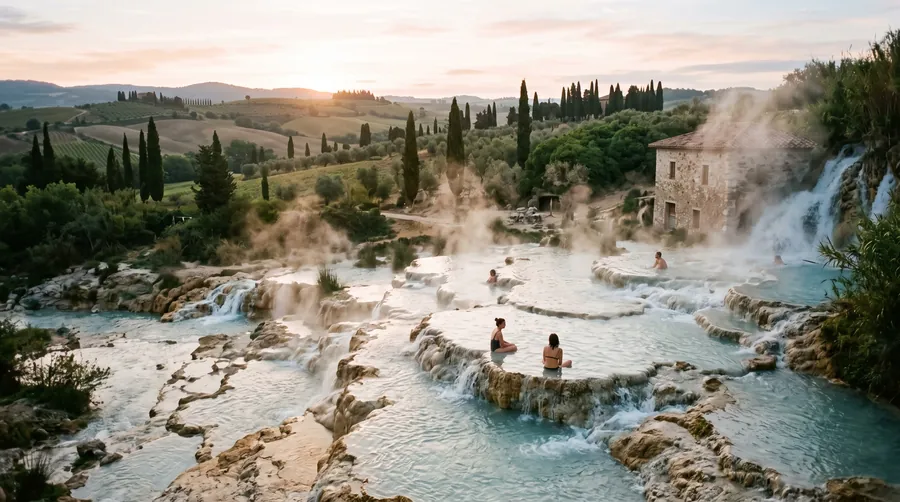
The Val d’Orcia is the landscape everyone imagines when they say Tuscany: cypress lines, wheat, the hill towns of Pienza, Montepulciano and Montalcino. Fewer people know that the valley sits on hot water. Bagno Vignoni has a Renaissance pool in its main square and a free hot stream in the woods below; Bagni San Filippo has white limestone cascades in the forest; Saturnia, further south, has the Cascate del Mulino, hot waterfalls at 37 degrees that are open all night and cost nothing.
The food is the reason Tuscans call themselves bean eaters: cannellini and borlotti, ribollita, pici with garlic and breadcrumbs, pecorino from Pienza, bread without salt, vegetables grilled or raw, olive oil pressed in November, and a glass of Brunello or Rosso di Montalcino with dinner. Meat is a Sunday thing outside the famous steak.
Come in spring or autumn, base yourself in one hill town, walk the Via Francigena in stages, bathe in a different spring every day and eat lunch late. Tuscany is a lesson in pace.
The longevity profile
- Best months
- Apr · May · Jun · Sep · Oct
- Ideal stay
- 7 days
- Budget
- €€€€
- Night from
- €160
Signature ritual: A hot spring at dawn and olive oil on everything.
A day in Tuscany
From first light to last light.
- 07:00The ridge
A walk from Pienza along the ridge road with the whole valley in the mist below.
- 08:00Breakfast
Bread, ricotta, honey, fruit, coffee. Tuscan breakfast is small on purpose.
- 10:00Bagno Vignoni
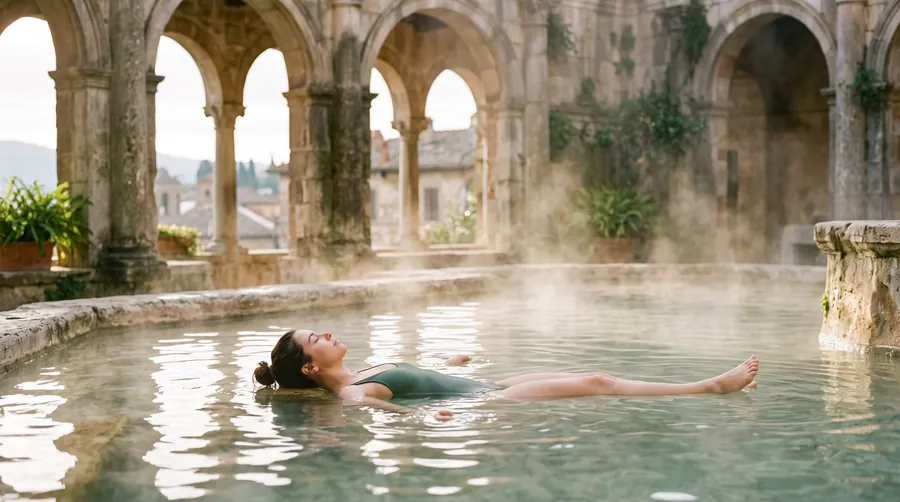
The free hot stream in the Parco dei Mulini, then the town square with its Renaissance pool.
- 13:00Lunch
Pici with beans and garlic, pecorino with honey, grilled vegetables, bread and oil, a glass of Rosso.
- 15:00Rest
The hill towns close for the afternoon. Follow their example.
- 17:00Via Francigena
A stage of the pilgrim road towards San Quirico, two hours through cypress and wheat.
- 22:00Saturnia
The hot waterfalls under the stars, empty after ten, the water at body temperature.
Good to know
Tips for Tuscany.
- The Cascate del Mulino at Saturnia are free and open around the clock; go at dawn or after ten at night to have them almost to yourself.
- Bagni San Filippo is a small forest spa with white travertine cascades; wear old sandals, the rocks are slippery.
- The Via Francigena passes through the Val d’Orcia in well-marked stages; a car or the local bus brings you back.
- November is olive harvest: cold, quiet and the best month to taste new oil at a frantoio.
- Avoid August: heat, crowds and closed restaurants.
Frequently asked questions
Are the Tuscan hot springs free?
Several are: the Cascate del Mulino at Saturnia, the stream at Bagno Vignoni, the cascades at Bagni San Filippo. Spa hotels charge for their pools and treatments.
What is the Tuscan diet?
Beans, bread, olive oil, vegetables, sheep cheese, pasta and moderate wine with meals: the Mediterranean diet with a farmer’s accent. Meat plays a smaller role than the famous steak suggests.
Can I walk between the hill towns?
Yes. The Via Francigena and a network of white roads connect Pienza, San Quirico, Bagno Vignoni and Montalcino in stages of two to five hours.
Nearby
The next places.
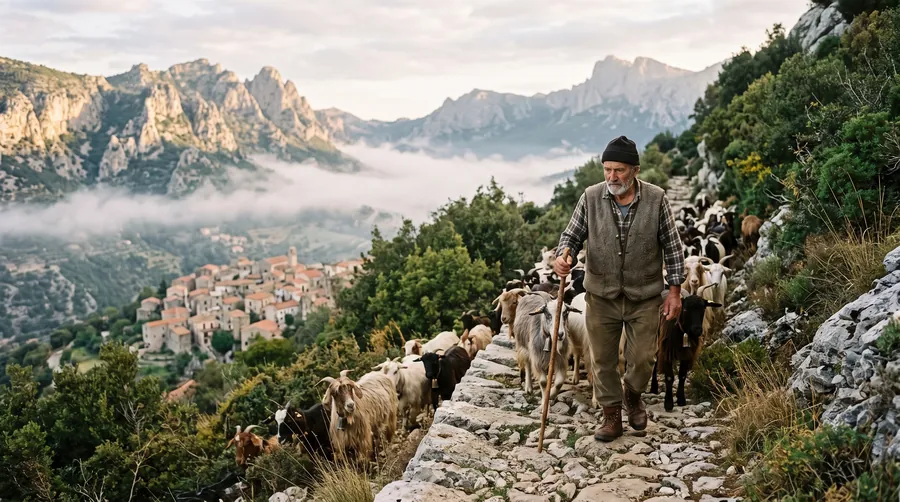 Blue Zone84
Italy · Ogliastra and Barbagia
Sardinia
shepherds’ hills, cannonau wine and family tables
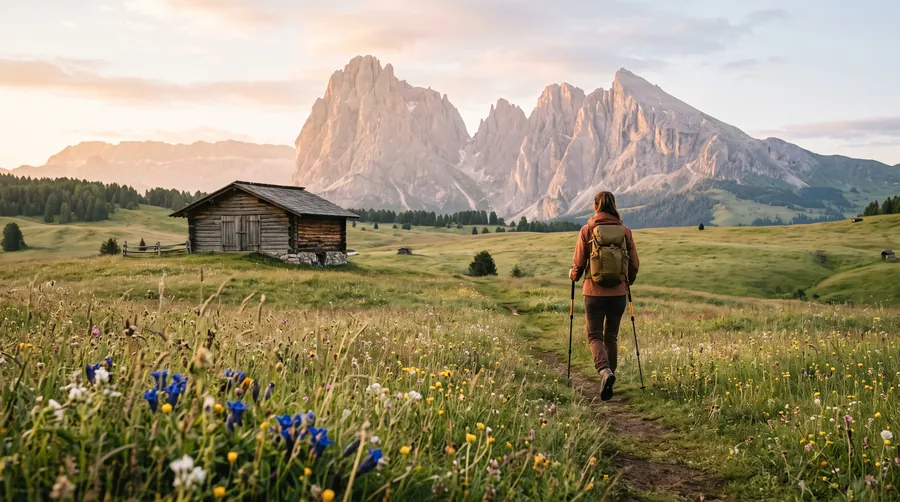 85
85Italy · Merano and the Dolomites
South Tyrol
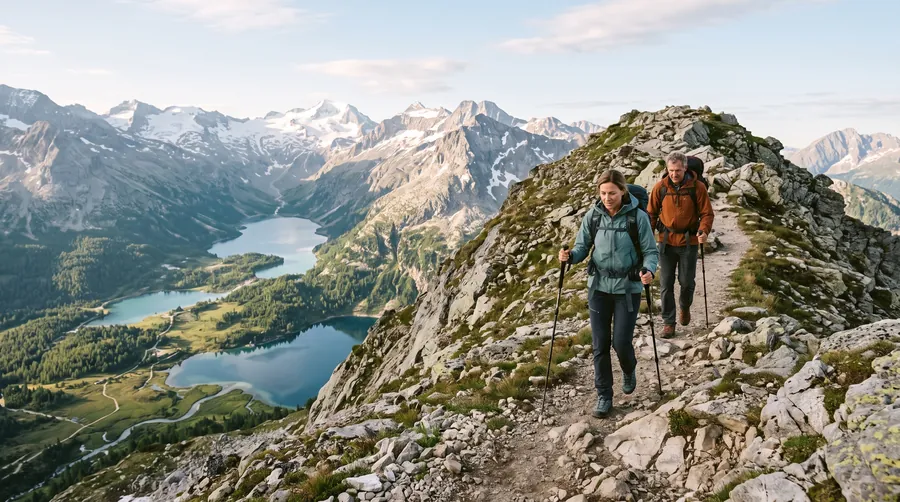
Dolomite hikes, apple valleys and the spa culture of Merano
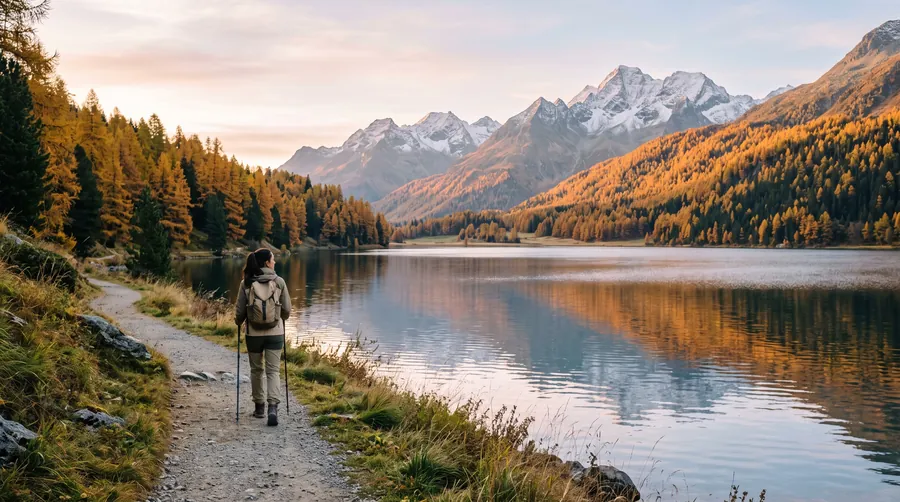 84
84Switzerland · Upper Engadin, Grisons
Engadin
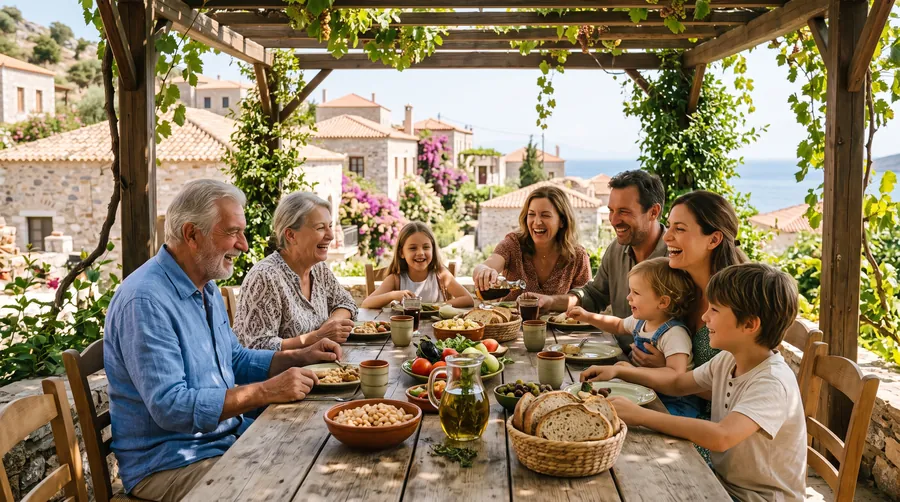
1,800 metres, dry light and lakes that stay cold in August