Downshift
Mind & Stress
Chronic stress ages the body through inflammation, blood pressure and sleep. Every Blue Zone has a routine for shedding it: a nap, a prayer, a festival, a glass of wine with friends, a walk. The form does not matter. The daily practice does.

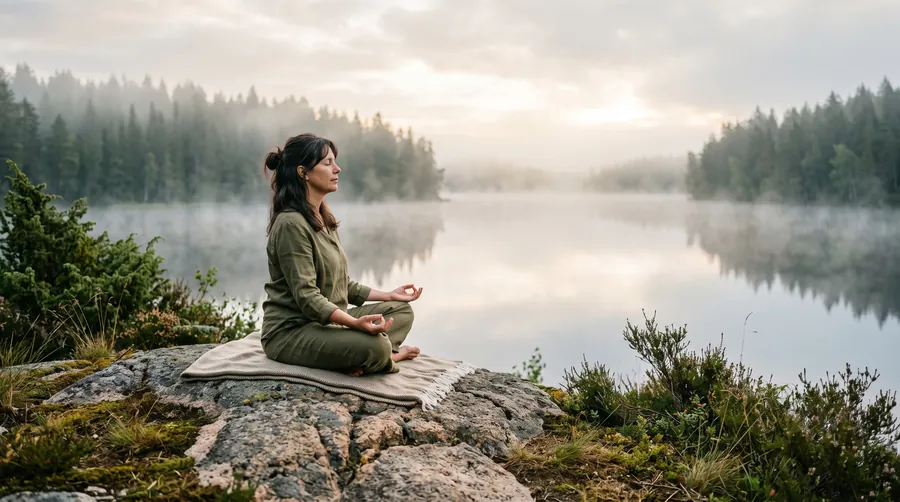
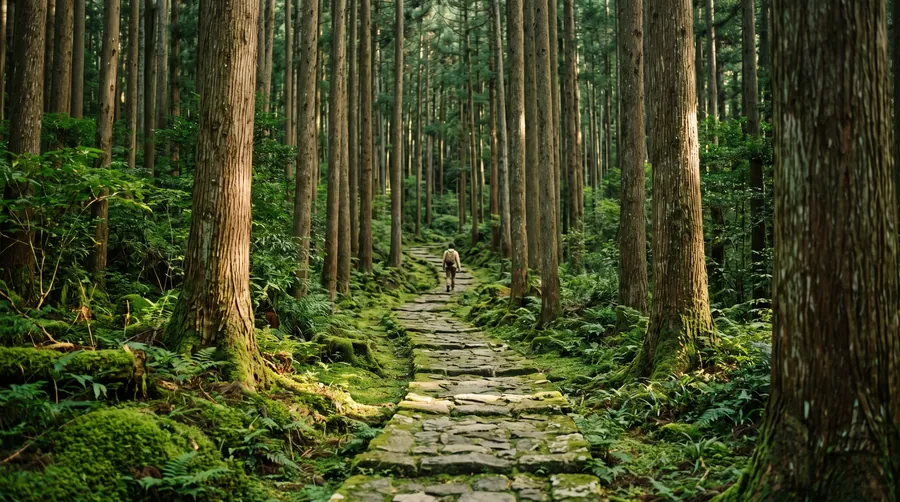
Stress is not the enemy; unrelieved stress is. Short bursts of pressure are normal and even useful. What damages is the chronic version, the low hum that keeps cortisol high, sleep shallow, blood pressure up and the immune system inflamed. The solutions with evidence are unglamorous: regular breathing exercises and meditation, time in nature, exercise, social contact, sleep, and rituals that mark the end of work. Twenty minutes of forest bathing lowers cortisol measurably; slow breathing at around six breaths a minute lowers blood pressure within a session; a daily meditation practice changes how the brain responds to stress over months.
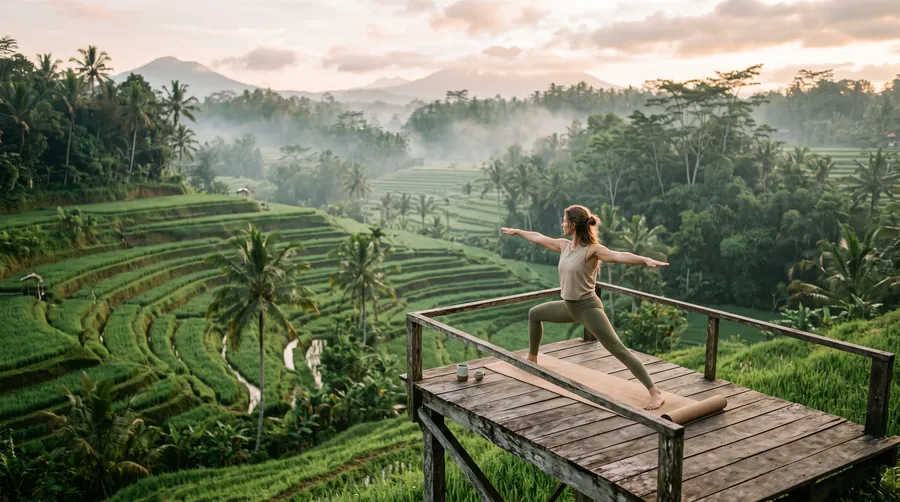
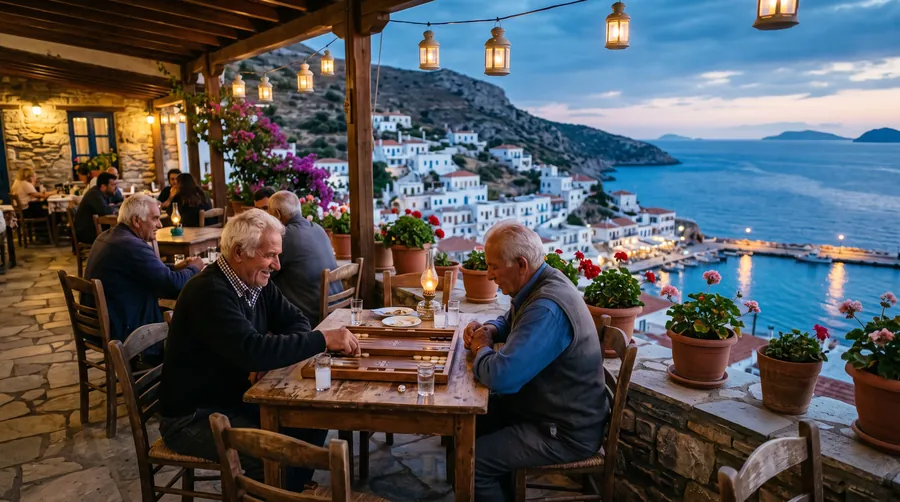
Blue Zones downshift by culture. Ikarians nap and stay up late with friends; Sardinians laugh and argue in the square; Okinawans have their moai and their gardens; Adventists have a full day without work every week; Nicoyans have faith and family. A traveller can borrow all of it: a retreat in Ubud or Kerala, a forest walk in Kyoto, a sauna in Iceland, a thermal town in Tuscany. The habit to bring home is smaller: one minute of slow breathing, several times a day, and one day a week with nothing on it.
Daily practices
Six practices. Tick what you already do.
Saved in your browser only.
On the road
Keeping it on the road.
- Book one empty afternoon for every travel day. Itineraries are stress with better scenery.
- Choose a place with a downshift culture: siesta countries, spa towns, islands.
- Use the Breathe tool at the airport gate. It works there as well as anywhere.
- Leave the news at home. A week without it is a measurable holiday for the nervous system.
Where it is lived
Places that get this right.
Tools for this pillar
BreatheA guided breathing circle: four seconds in, seven held, eight out, or the box and coherent patterns.Longevity DaySet your wake time, sleep target, eating window, movement and wind-down, and the tool lays out a day built on the six pillars: light first, food in a window, movement before lunch, dark before bed.Vitality ScoreSleep, steps, strength, plants, alcohol, friends, purpose, stress, daylight and breath.Frequently asked questions
Does meditation really change anything?
Regular practice reduces anxiety and stress symptoms with effects comparable to other active treatments in meta-analyses, and imaging studies show changes in stress-related brain regions over months. Ten minutes a day is enough to start.
What is 4-7-8 breathing?
Inhale for four seconds, hold for seven, exhale slowly for eight. Four cycles take a minute and shift the nervous system towards rest. The Breathe tool on this site guides you through it.
Is forest bathing more than a walk?
The difference is pace and attention. A slow, aimless walk with all senses open has larger measured effects on cortisol and blood pressure than a brisk hike through the same forest.
The other pillars
The rest of the six.
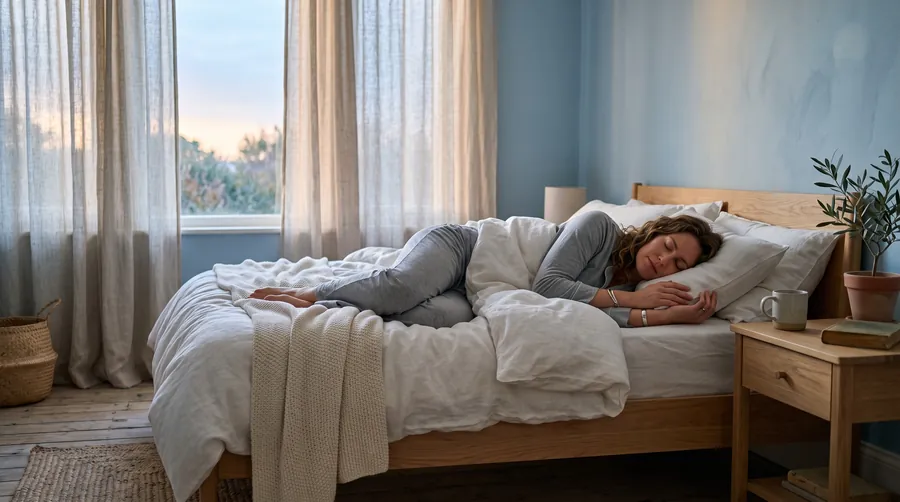
The foundation
Sleep
seven to nine hours, at the same time, in the dark

Walk, lift, climb
Movement
daily steps, weekly strength and a heart that gets out of breath
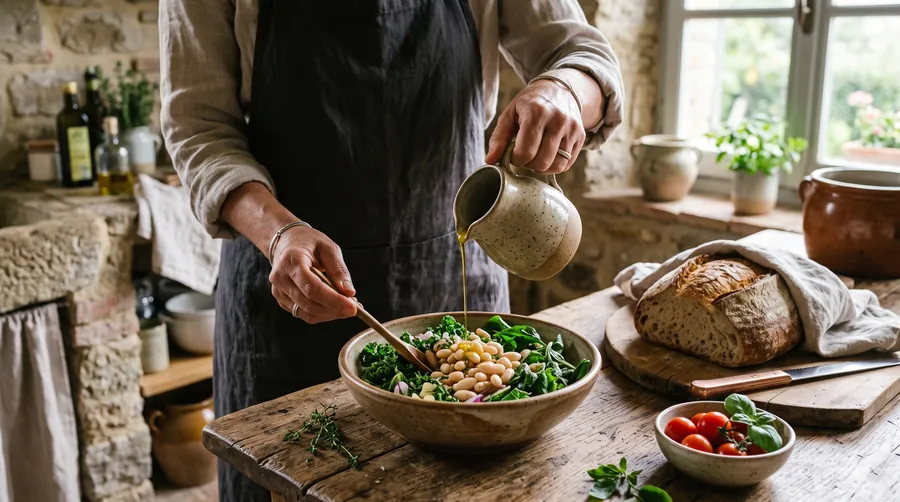
Plants, fibre, protein, oil
Nourishment
the Mediterranean plate, the 80 percent rule and a table you share

The ingredient nobody sells
Connection & Purpose
a circle of friends, a family that stays close and a reason to get up
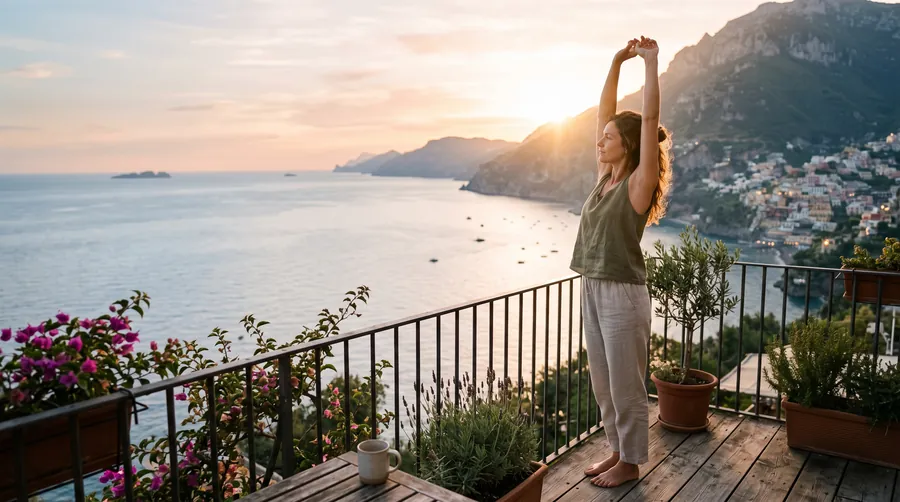
Sun, air, water, cold, heat
Light & Environment
daylight for the clock, clean air for the lungs, sea and sauna for the rest