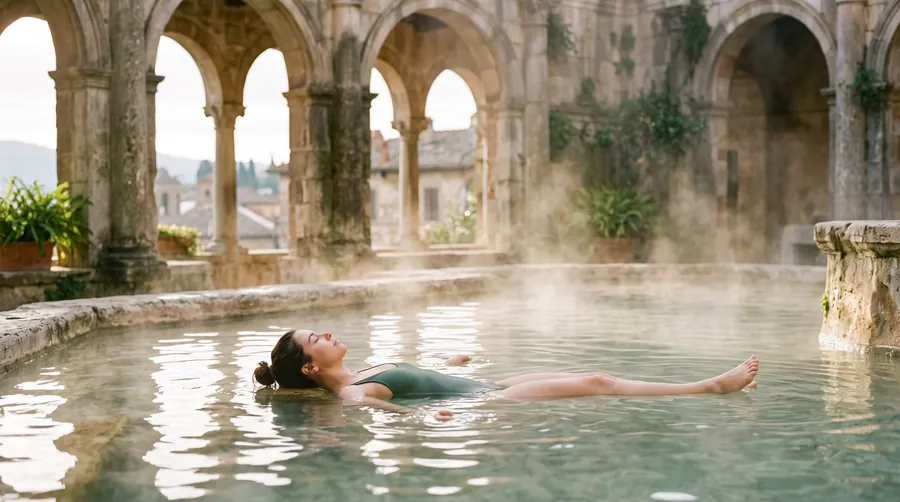
Hot water, old towns
Thermal & Spa
Europe has bathed in hot springs since the Romans, and for good reason: warm mineral water eases joints, lowers blood pressure for hours afterwards and forces you to do nothing.

A thermal journey is the gentlest kind of health travel. The water does most of the work: immersion at 34 to 40 degrees relaxes muscles, improves circulation and, in balneotherapy studies, reduces pain in arthritis and lower back conditions for weeks after a course of baths. The towns built around the springs add the rest: promenades designed for slow walking, parks, orchestras, cafés and a permission to be idle that most places have lost.
The map is generous. Tuscany has free hot waterfalls and Renaissance pools; South Tyrol pairs thermal baths with Alpine walks; the Engadin has mineral baths in Scuol; Iceland has geothermal pools in every town; Ikaria has warm springs by the sea; Japan has the onsen culture of Kyoto’s hills. Baden-Baden, Bath, Budapest and Karlovy Vary are the classic spa towns and worth a weekend each.
Best places for this journey
Where a thermal journey works best.
 84
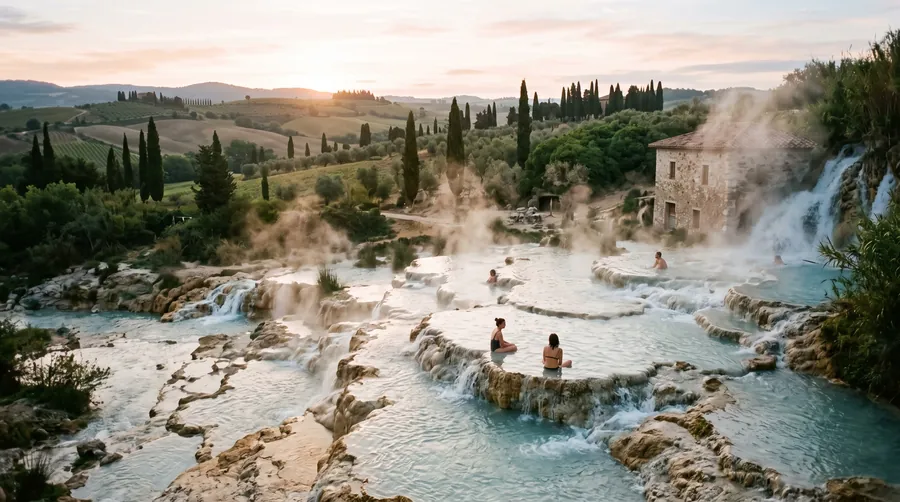
84Italy · Val d’Orcia and the thermal towns
Tuscany
hot springs, olive oil and cypress roads made for walking
 85
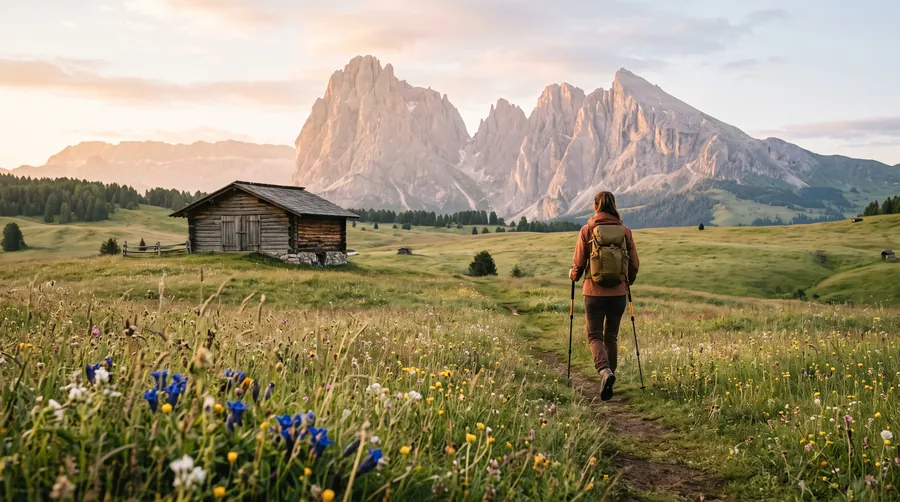
85Italy · Merano and the Dolomites
South Tyrol
Dolomite hikes, apple valleys and the spa culture of Merano
 78
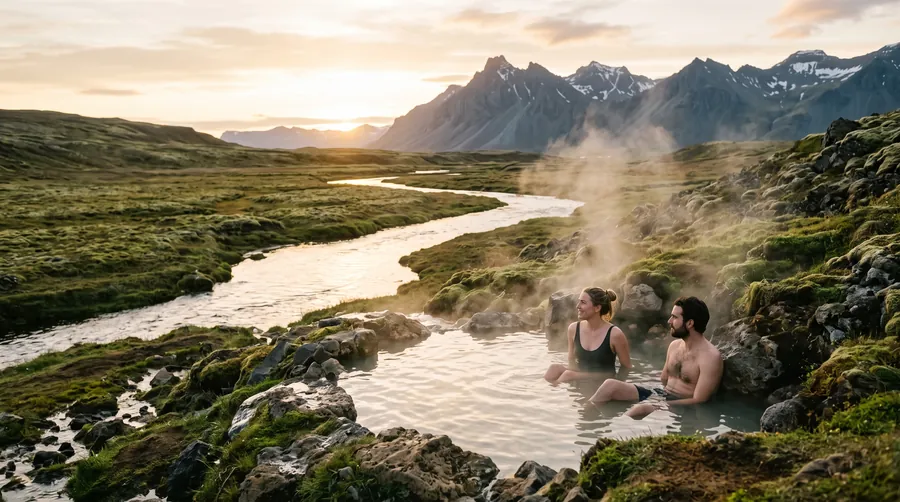
78Iceland · Reykjavík and the south-west
Iceland
hot pools, cold sea and the long light of the north
 84
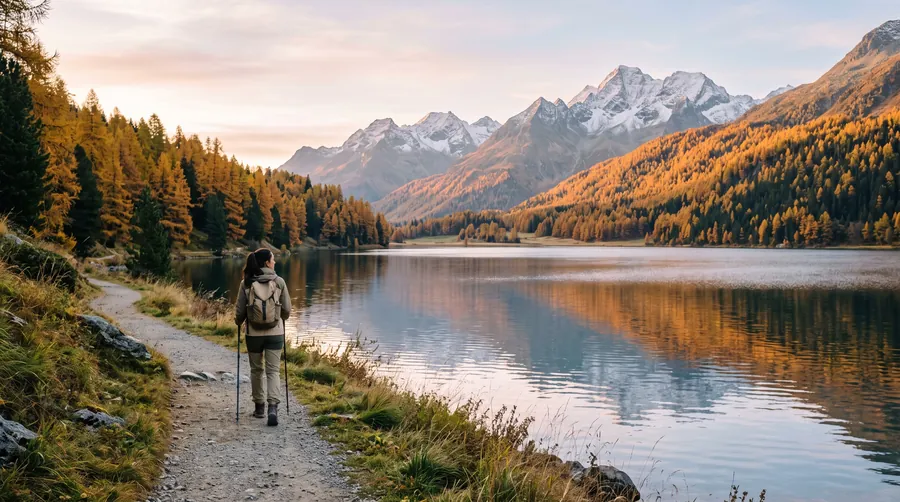
84Switzerland · Upper Engadin, Grisons
Engadin
1,800 metres, dry light and lakes that stay cold in August
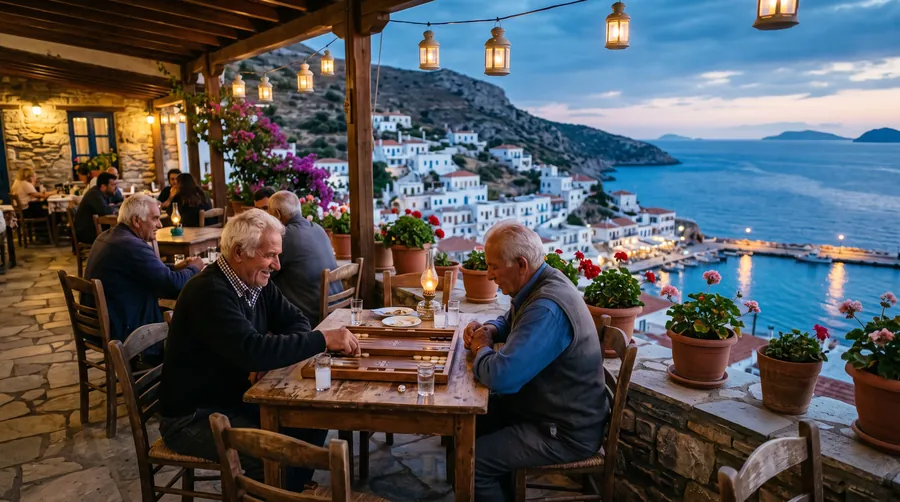 Blue Zone83
Greece · North Aegean
Ikaria
late nights, long naps and wild mountain herbs
 83
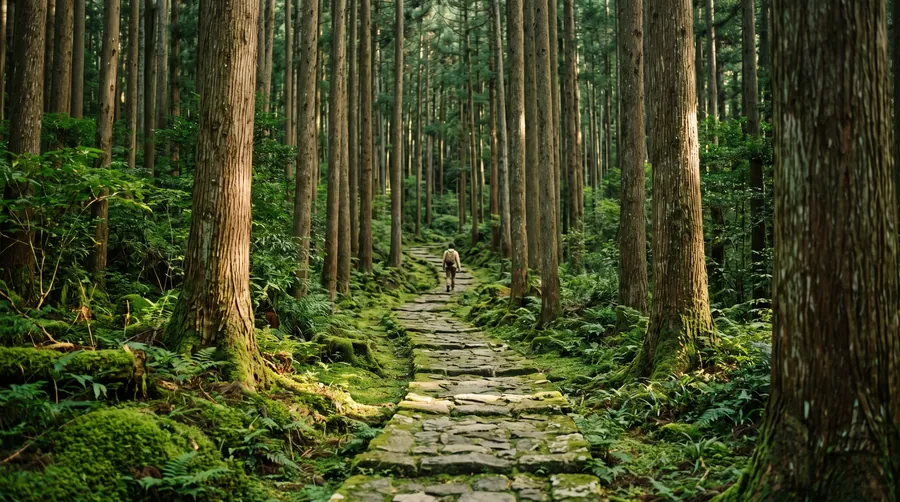
83Japan · Kansai and the forests of Kurama
Kyoto
shinrin-yoku, temple gardens and a hot spring in the hills
 78
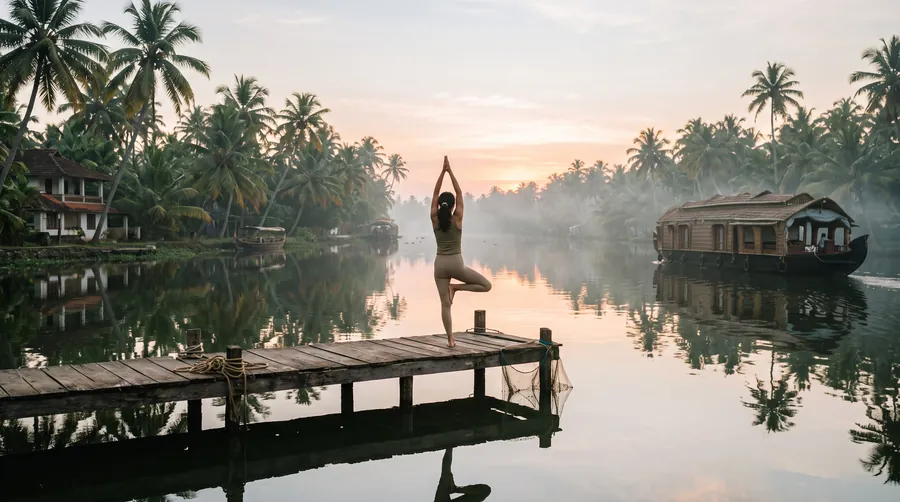
78India · Malabar Coast
Kerala
backwaters, monsoon rains and a 3,000-year-old system of care
Good to know
Before you book.
- Never bathe on a full stomach or after alcohol; the heat lowers blood pressure and both make it worse.
- Twenty minutes in, ten minutes out, water in between. The rhythm matters more than the total time.
- Look for towns, not just spas: the promenade and the park are half the cure.
- Bring old sandals for natural springs; the rocks are slippery and the sulphur stains.
Try it
Trip DesignerChoose what the trip should do for you, when you can go, how long and how hard.Retreat BudgetChoose a destination, the nights, the level of stay, how often you eat out, how many treatments and whether flights are included.Frequently asked questions
Does thermal water actually do anything?
Yes, within limits. Reviews of balneotherapy show reduced pain and better function in osteoarthritis and chronic back pain for weeks after a course. The relaxation and sleep effects are immediate. It does not cure diseases.
Thermal, mineral, geothermal: what is the difference?
Thermal water is naturally warm at the source; mineral water has a high content of dissolved minerals; geothermal refers to heat from volcanic activity, as in Iceland. Many springs are all three.
Can I do a thermal week on a budget?
Southern Tuscany has free hot springs and simple agriturismi; Iceland’s local pools cost a few euro; Ikaria’s springs are cheap. The spa hotels are the expensive version.
Other journeys
Other ways to travel for your health.
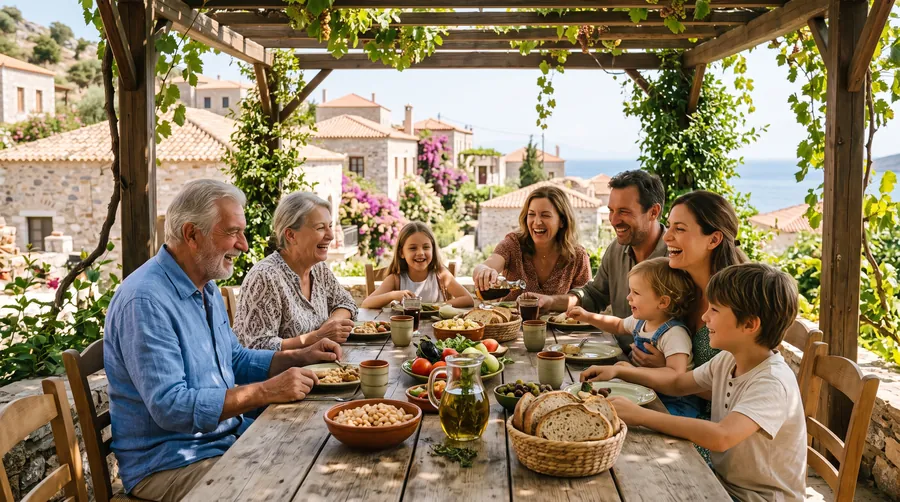
Blue Zone Journeys
a week among people who live to a hundred
Open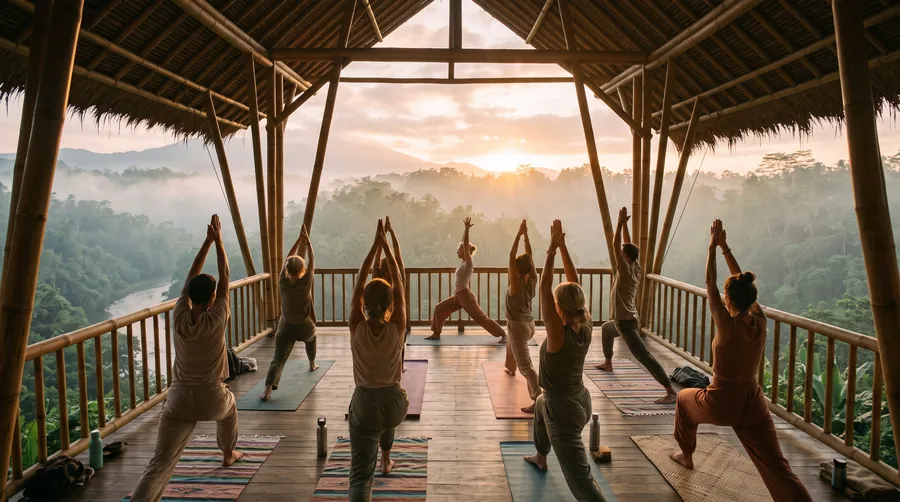
Yoga & Mind Retreats
yoga, breath, meditation and silence in beautiful places
Open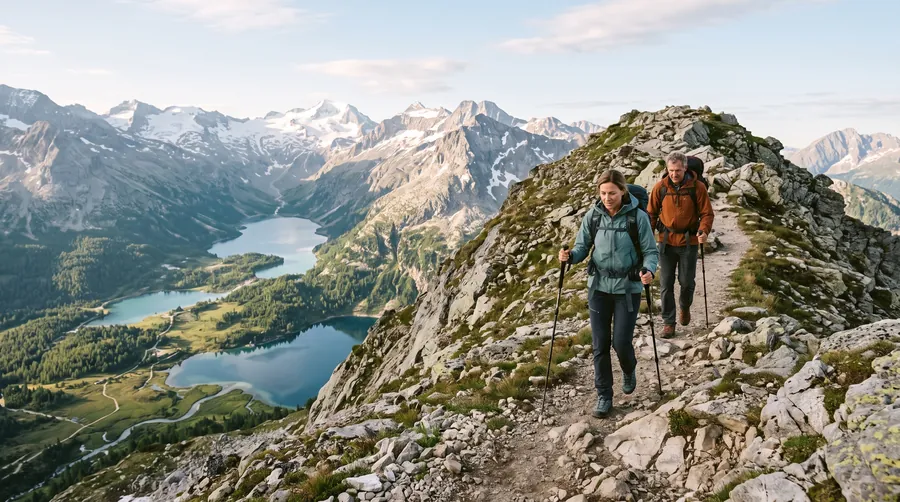
Hiking & Alpine Air
walking holidays, mountain air and the altitude effect
Open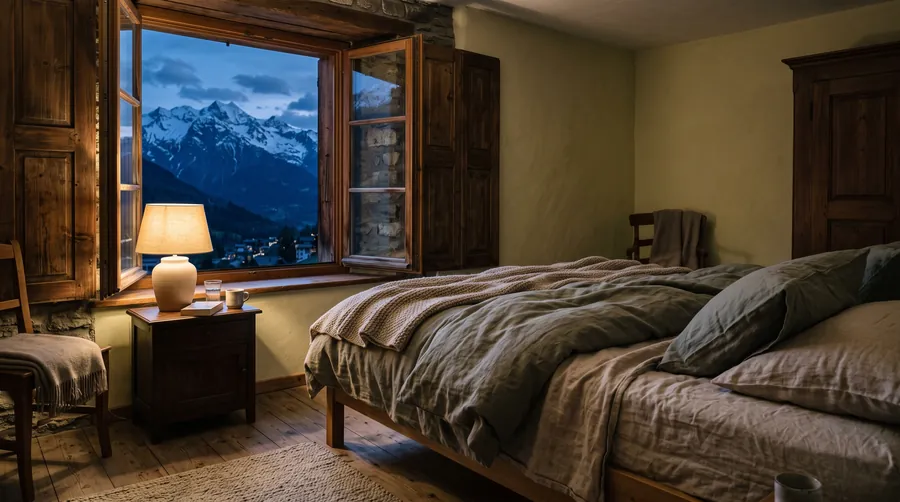
Sleep Retreats
circadian resets, dark rooms and the science of rest
Open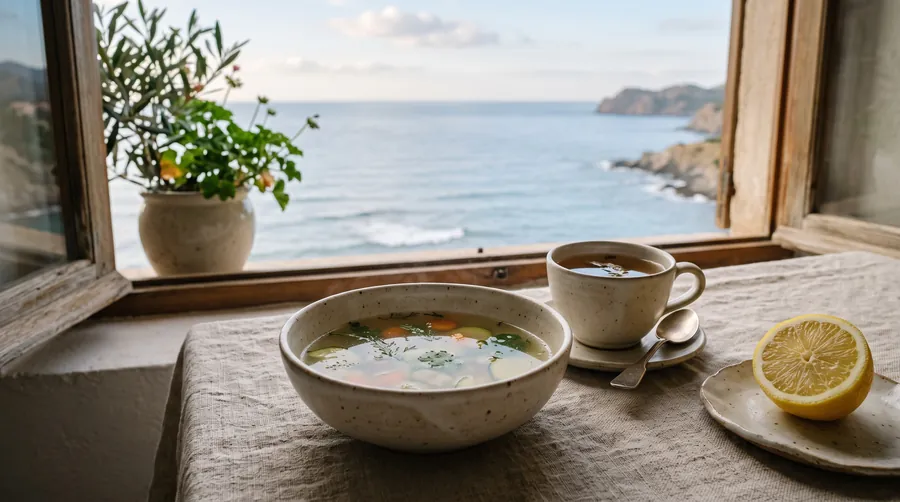
Fasting & Reset
supervised fasting, Ayurvedic cleansing and the art of the smaller plate
Open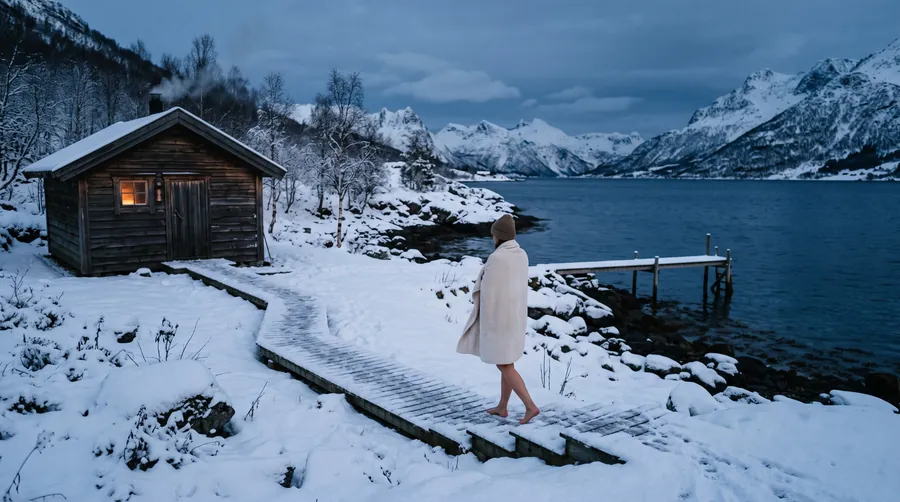
Cold, Heat & Nordic Rituals
sauna, cold water, geothermal pools and the resilience of the north
Open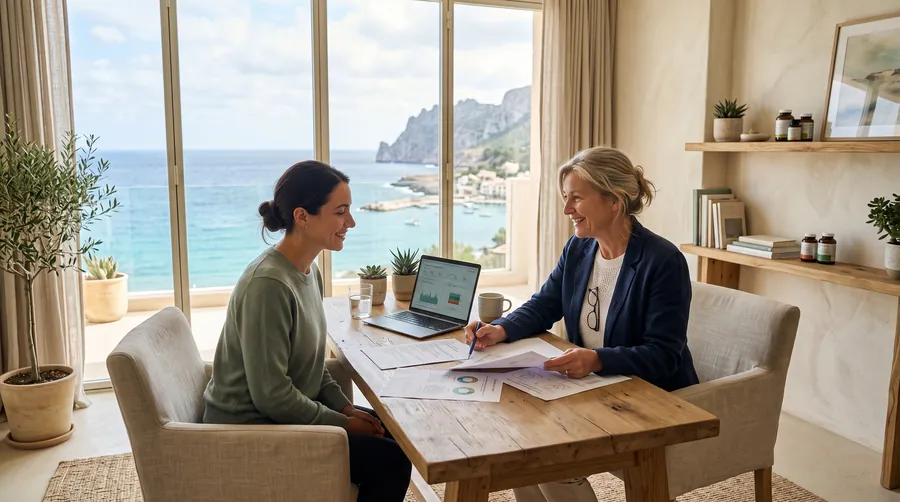
Longevity Clinics & Check-ups
preventive diagnostics, VO2max tests and medical longevity programmes
Open