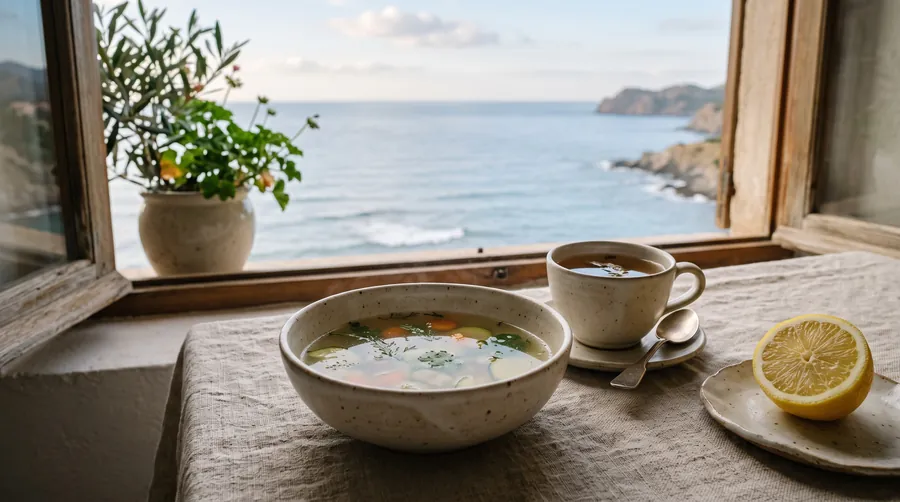
Less, on purpose
Fasting & Reset
Fasting is old medicine with new evidence and real risks. Done under supervision, in a place built for it, a week of less resets appetite, sleep and the relationship with food for months.

Therapeutic fasting has been practised in European clinics for a century, usually as a supervised programme of five to ten days on broth, juice and tea with daily walks, rest and medical checks. Research on fasting and time-restricted eating suggests benefits for metabolic markers, blood pressure and inflammation, and many people report better sleep and a lasting change in how much they want to eat. The risks are equally real: fasting without supervision, with certain medications or with a history of eating disorders is dangerous. This journey belongs in a clinic or a properly run centre.
Two traditions dominate. The European clinic model, with Marbella and the German lakes as its historic centres, combines fasting with diagnostics, walks and rest. The Ayurvedic model in Kerala uses simple food rather than no food, plus oil treatments and rest over two to three weeks. Retreats in Bali and elsewhere offer juice fasts of varying seriousness; check who is in charge. The gentler version, a week of Blue Zone eating and hara hachi bu in Okinawa or Ikaria, is a reset without the risk.
Best places for this journey
Where a fasting stay works best.
 81
81Spain · Costa del Sol, Andalusia
Marbella
320 days of sun, sea walks and the fasting and longevity clinics of Europe
 78
78India · Malabar Coast
Kerala
backwaters, monsoon rains and a 3,000-year-old system of care
 79
79Indonesia · Central Bali
Ubud
rice terraces, morning yoga and the rhythm of ceremonies
 Blue Zone83
Japan · East China Sea
Okinawa
hara hachi bu, moai circles and gardens by the sea
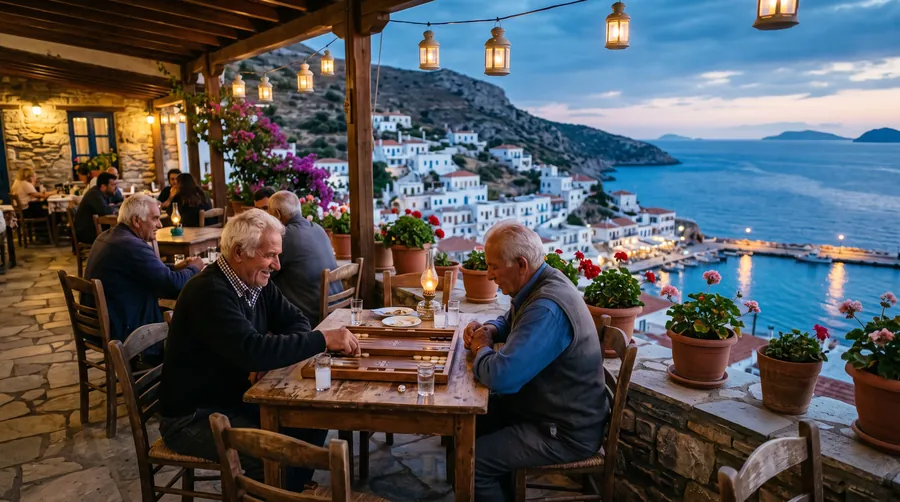 Blue Zone83
Greece · North Aegean
Ikaria
late nights, long naps and wild mountain herbs
Good to know
Before you book.
- Talk to your doctor before booking. Bring your medication list and recent blood work to the clinic.
- The days before and after matter as much as the fast: reduce coffee, alcohol and sugar for a week before, and break the fast slowly.
- Expect the second and third day to be hard and the fourth to be surprisingly clear.
- The lasting benefit is the smaller plate afterwards. Plan how you will eat at home before you leave.
Try it
Longevity DaySet your wake time, sleep target, eating window, movement and wind-down, and the tool lays out a day built on the six pillars: light first, food in a window, movement before lunch, dark before bed.Vitality ScoreSleep, steps, strength, plants, alcohol, friends, purpose, stress, daylight and breath.Retreat BudgetChoose a destination, the nights, the level of stay, how often you eat out, how many treatments and whether flights are included.Frequently asked questions
Is fasting safe?
Supervised fasting in a clinic is safe for most healthy adults. Unsupervised long fasts, fasting with certain medications, diabetes, pregnancy, low weight or a history of eating disorders are not. Ask a doctor first.
What is the difference between a fasting clinic and a detox retreat?
A clinic has physicians, daily checks and a medical protocol. A retreat may have none of these. The word detox is unregulated; the word clinic is not.
What is time-restricted eating?
Eating within a window of eight to ten hours a day and fasting the rest, usually by having an early dinner and a late breakfast. It is the everyday version of fasting and a habit most Blue Zones follow without naming it.
Other journeys
Other ways to travel for your health.

Blue Zone Journeys
a week among people who live to a hundred
Open
Thermal & Spa
mineral springs, thermal towns and the ritual of the bath
Open
Yoga & Mind Retreats
yoga, breath, meditation and silence in beautiful places
Open
Hiking & Alpine Air
walking holidays, mountain air and the altitude effect
Open
Sleep Retreats
circadian resets, dark rooms and the science of rest
Open
Cold, Heat & Nordic Rituals
sauna, cold water, geothermal pools and the resilience of the north
Open
Longevity Clinics & Check-ups
preventive diagnostics, VO2max tests and medical longevity programmes
Open