The foundation
Sleep
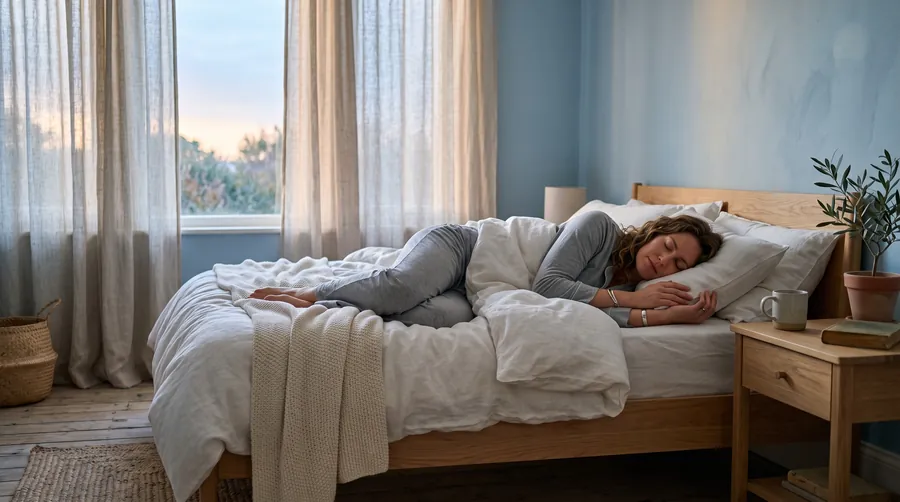
Sleep is the pillar the others stand on. Short or irregular sleep raises the risk of heart disease, diabetes, depression and dementia; regular, sufficient sleep repairs the day and consolidates what you learned in it.

Adults need seven to nine hours, and the regularity matters almost as much as the length: going to bed and rising at the same times, including weekends, keeps the circadian clock stable. The clock is set mainly by light. Bright daylight in the morning and dim light in the evening tell the brain when to release melatonin; a phone at midnight tells it the opposite. Temperature matters too: a cool room around 18 degrees helps the body drop its core temperature, which is the physical signal for sleep.
Alcohol is the most common saboteur. It makes falling asleep easier and the second half of the night worse, with fragmented, shallow sleep. Caffeine after lunch is the second, late heavy dinners the third. The Blue Zones get most of this without trying: little artificial light, early dinners, naps where the climate demands them and, in Nicoya, twelve hours of darkness every night of the year.
Daily practices
Six practices. Tick what you already do.
Saved in your browser only.
On the road
Keeping it on the road.
- Choose rooms away from the street and ask for blackout blinds; pack a mask and earplugs regardless.
- Shift the clock before a long flight with the Jet Lag Planner: an hour a day, using light and meals.
- Keep the wake time on holiday. Sleep in an hour at most; longer lie-ins undo the rhythm.
- Skip the airport drink and the hotel minibar. Alcohol and jet lag compound each other.
Where it is lived
Places that get this right.
 Blue Zone82
Costa Rica · Nicoya Peninsula, Pacific coast
Nicoya
plan de vida, twelve hours of dark and the three sisters on every plate
 Blue Zone83
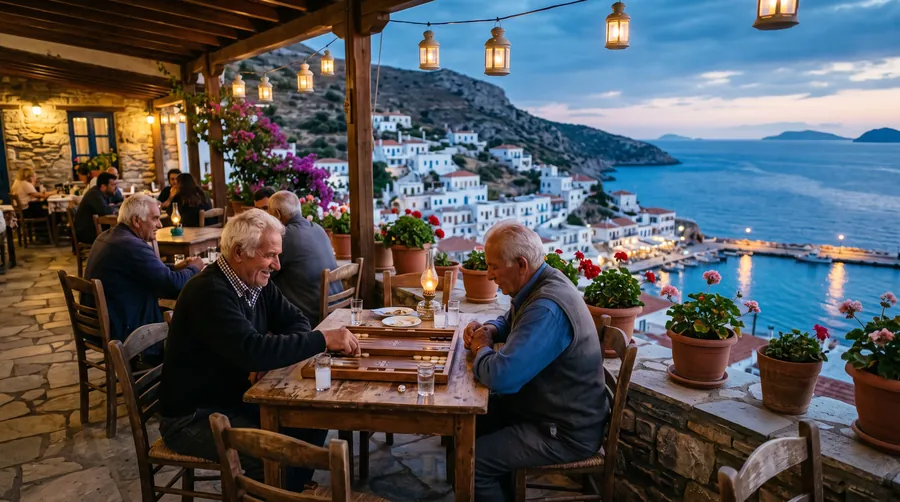
Greece · North Aegean
Ikaria
late nights, long naps and wild mountain herbs
 84
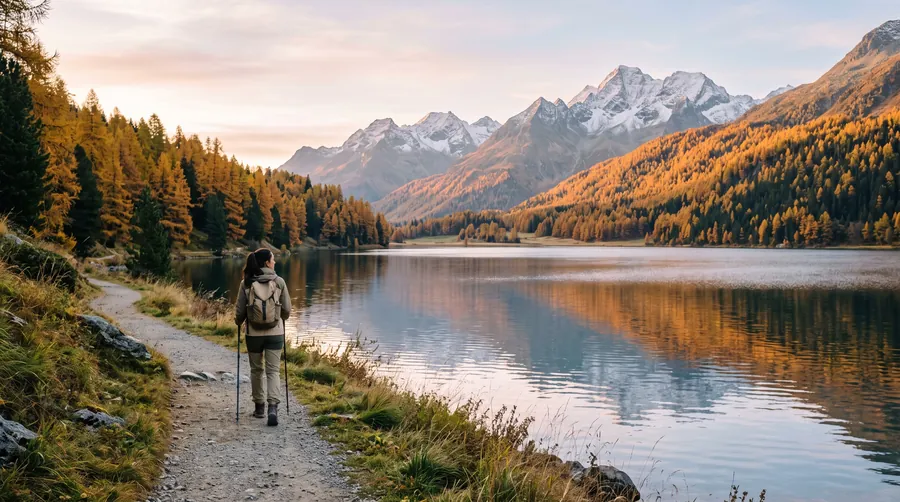
84Switzerland · Upper Engadin, Grisons
Engadin
1,800 metres, dry light and lakes that stay cold in August
Tools for this pillar
Longevity DaySet your wake time, sleep target, eating window, movement and wind-down, and the tool lays out a day built on the six pillars: light first, food in a window, movement before lunch, dark before bed.Jet Lag PlannerEnter where you fly from and to, and the planner builds a three-day light, sleep and meal schedule before the flight and after landing, based on how the body clock actually shifts.BreatheA guided breathing circle: four seconds in, seven held, eight out, or the box and coherent patterns.Frequently asked questions
How much sleep do I really need?
Seven to nine hours for most adults. Consistently less than six is linked to poorer health; the small group who genuinely needs less is far smaller than the number of people who believe they belong to it.
Is napping good or bad?
A short nap of 10 to 25 minutes before mid-afternoon improves alertness and does not harm night sleep. Long or late naps do. Siesta cultures like Ikaria nap early and briefly.
Do sleep trackers help?
They help you see regularity and the effect of alcohol or late meals. They are unreliable for sleep stages and can create anxiety. Use them for patterns, not for scores.
The other pillars
The rest of the six.
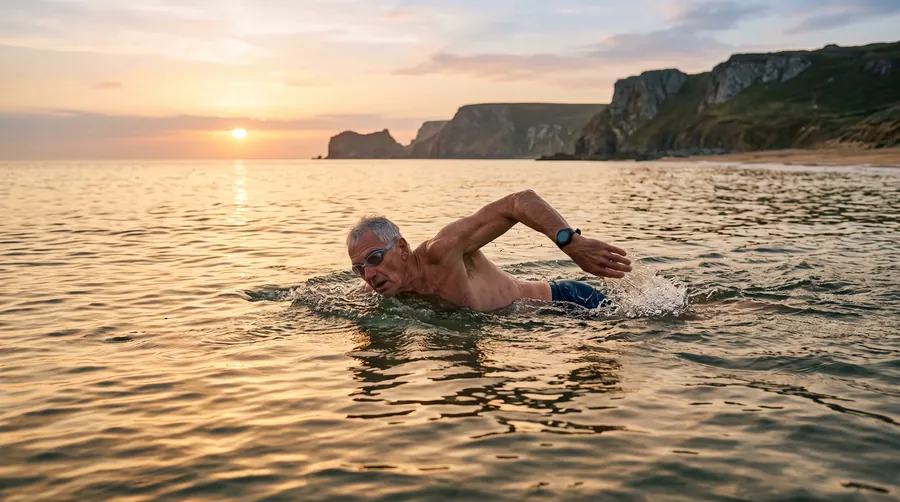
Walk, lift, climb
Movement
daily steps, weekly strength and a heart that gets out of breath
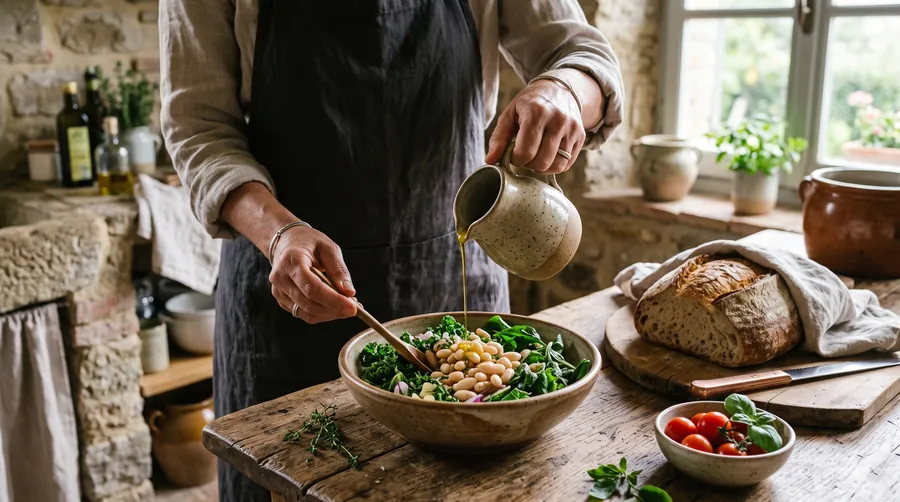
Plants, fibre, protein, oil
Nourishment
the Mediterranean plate, the 80 percent rule and a table you share
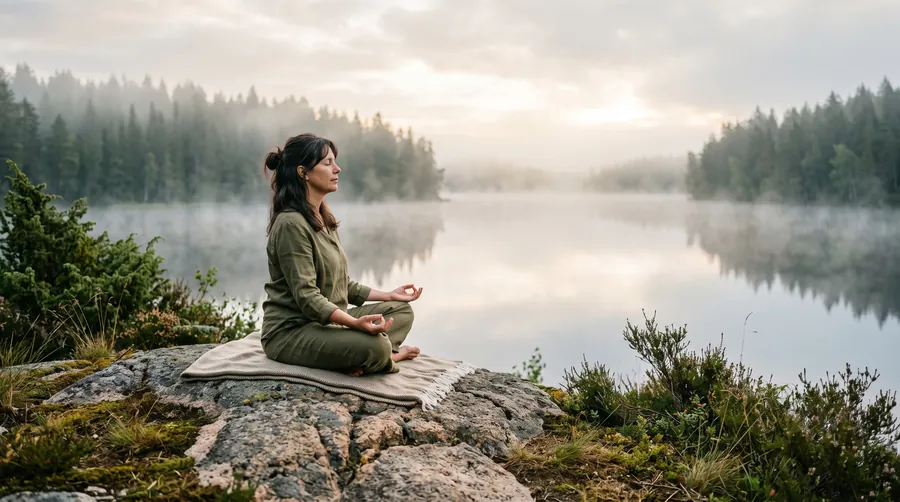
Downshift
Mind & Stress
breath, nature, silence and the daily habit of letting go
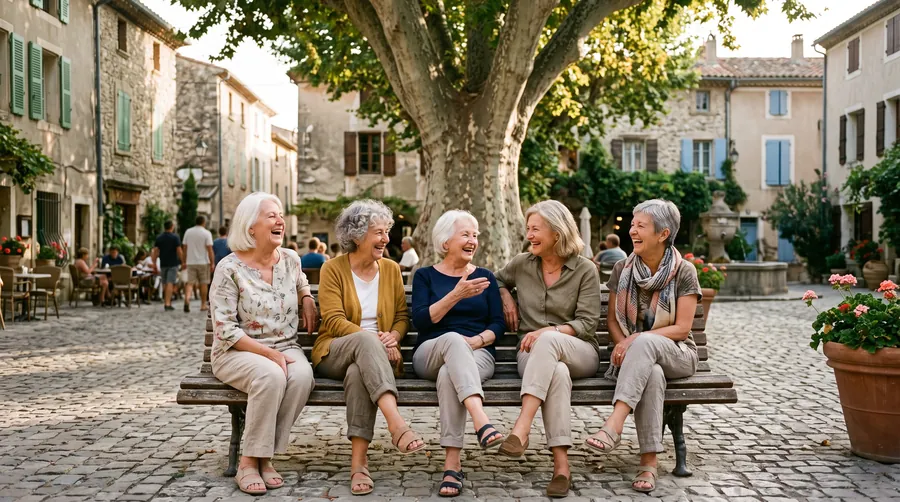
The ingredient nobody sells
Connection & Purpose
a circle of friends, a family that stays close and a reason to get up
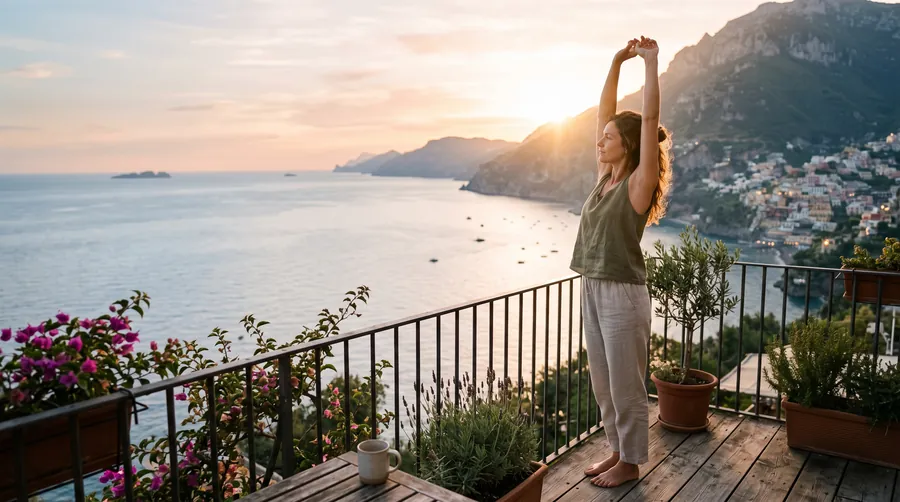
Sun, air, water, cold, heat
Light & Environment
daylight for the clock, clean air for the lungs, sea and sauna for the rest