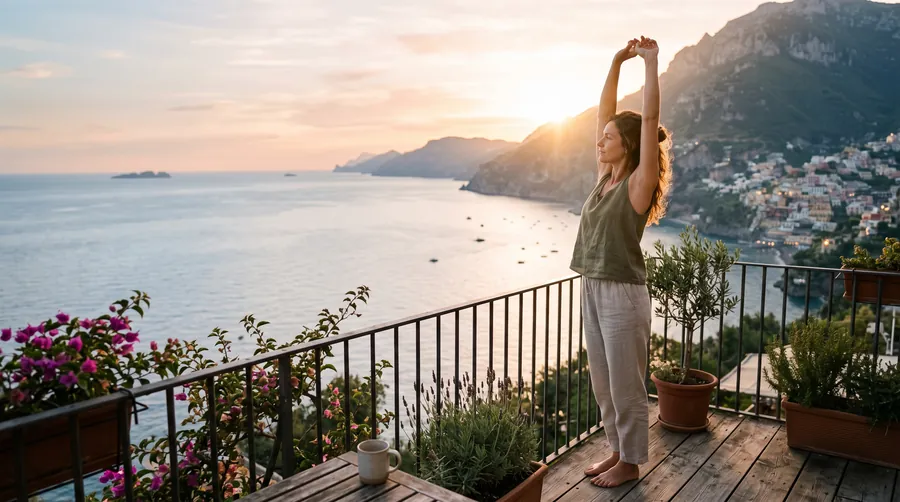
Sun, air, water, cold, heat
Light & Environment
The body was built for outdoors. Morning light sets its clock, midday light makes its vitamin D, cold water and hot rooms train its vessels, and clean air keeps its lungs young. Most of us get a fraction of any of it.

Light is the most underrated pillar. The circadian clock is set by bright light in the morning, which tells the brain when to be alert and, fifteen hours later, when to sleep. Indoor light is a hundred times too dim to do this; twenty minutes outside does it even on a cloudy day. Midday sun on skin makes vitamin D, which most northern Europeans lack half the year. Evening darkness matters as much: screens and bright rooms after dusk delay melatonin and shorten sleep.
Environment adds the rest. Air quality shortens or lengthens life measurably; mountain and coastal air is one reason the Engadin, South Tyrol and the Algarve became health resorts. Heat and cold, used deliberately in saunas, lakes and the sea, train the circulation and the mood. Green space lowers stress; blue space, the sea, lakes and rivers, does it even better. The Blue Zones are all sunny, all rural or coastal, and all outdoors most of the day.
Daily practices
Six practices. Tick what you already do.
Saved in your browser only.
On the road
Keeping it on the road.
- Choose sunny, clean-air destinations in winter: the Algarve, the Costa del Sol, the Canaries, the Alps above the fog.
- Sit outside for breakfast. It sets the clock for the whole day and beats the hotel dining room.
- Swim in every sea, lake and river you are allowed to. Cold water is the free version of the spa.
- Above 1,500 metres, use sunscreen and drink more; the air is thin and dry and the sun is strong.
Where it is lived
Places that get this right.
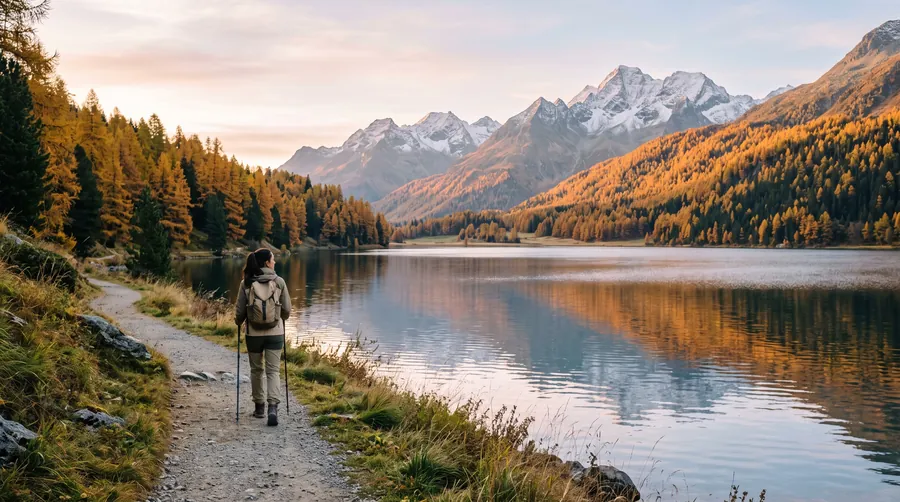 84
84Switzerland · Upper Engadin, Grisons
Engadin
1,800 metres, dry light and lakes that stay cold in August
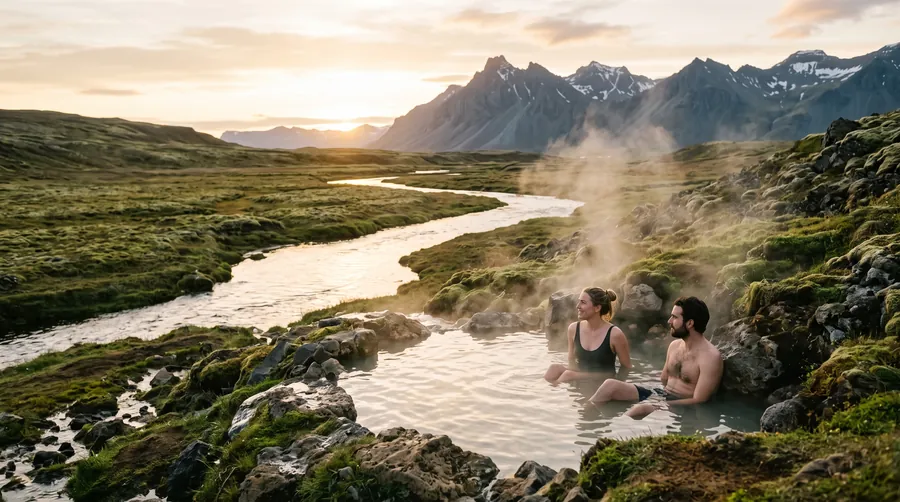 78
78Iceland · Reykjavík and the south-west
Iceland
hot pools, cold sea and the long light of the north
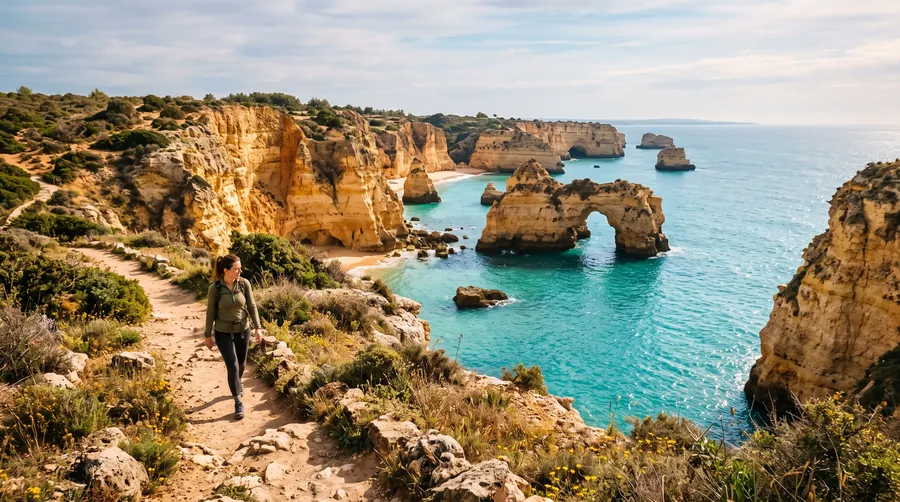 82
82Portugal · Southern Portugal
Algarve
cliff walks, grilled sardines and the mildest winter in western Europe
Tools for this pillar
Jet Lag PlannerEnter where you fly from and to, and the planner builds a three-day light, sleep and meal schedule before the flight and after landing, based on how the body clock actually shifts.Longevity DaySet your wake time, sleep target, eating window, movement and wind-down, and the tool lays out a day built on the six pillars: light first, food in a window, movement before lunch, dark before bed.Walk the WorldEnter your daily steps and height, and the tool converts a year of walking into kilometres and into a journey between the fifteen destinations on this site.Frequently asked questions
How much daylight do I need?
Around twenty to thirty minutes of outdoor light in the morning is enough to set the circadian clock, even on a cloudy day. More at midday helps vitamin D in the darker half of the year.
Is sun exposure dangerous?
Burning is; moderate exposure without burning is protective for the clock, mood and vitamin D. Short, regular exposure beats long, rare exposure, and midday sun in the Mediterranean summer needs shade and sunscreen.
Do cold showers work?
They improve alertness and mood immediately and, with regular use, cold tolerance and possibly resilience. Start with thirty seconds at the end of a warm shower. People with heart conditions should ask a doctor first.
The other pillars
The rest of the six.
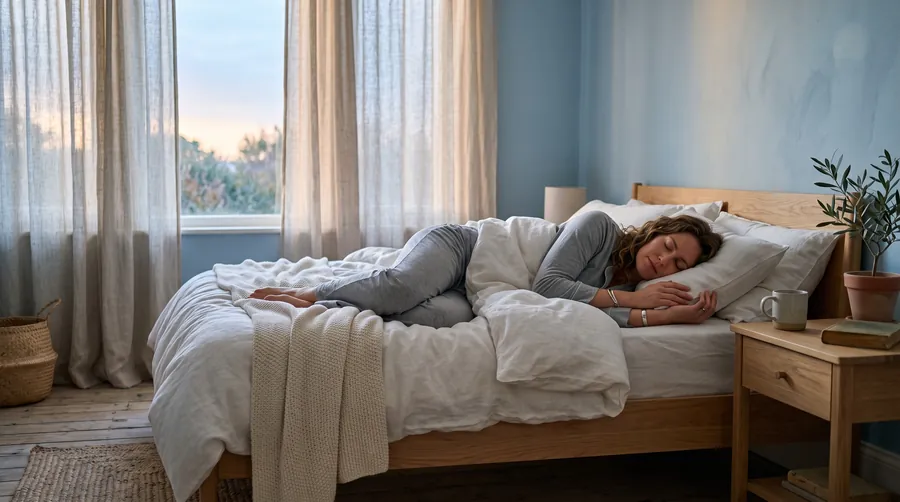
The foundation
Sleep
seven to nine hours, at the same time, in the dark
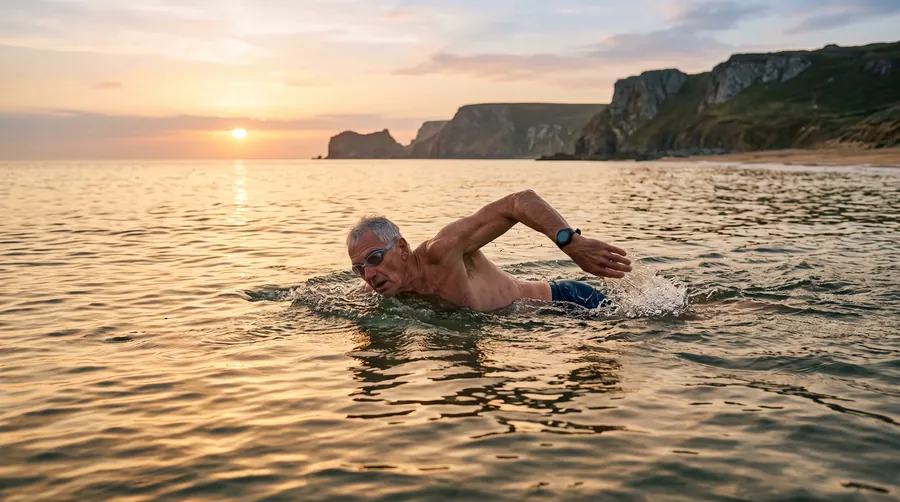
Walk, lift, climb
Movement
daily steps, weekly strength and a heart that gets out of breath
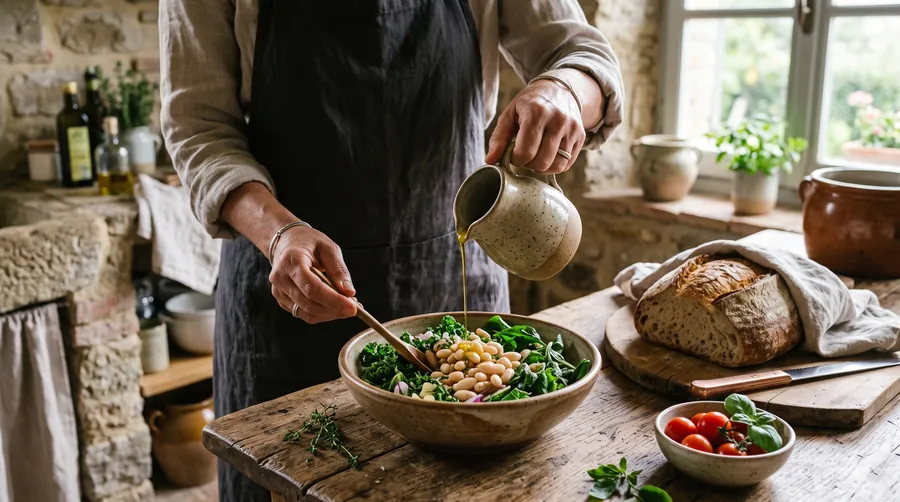
Plants, fibre, protein, oil
Nourishment
the Mediterranean plate, the 80 percent rule and a table you share
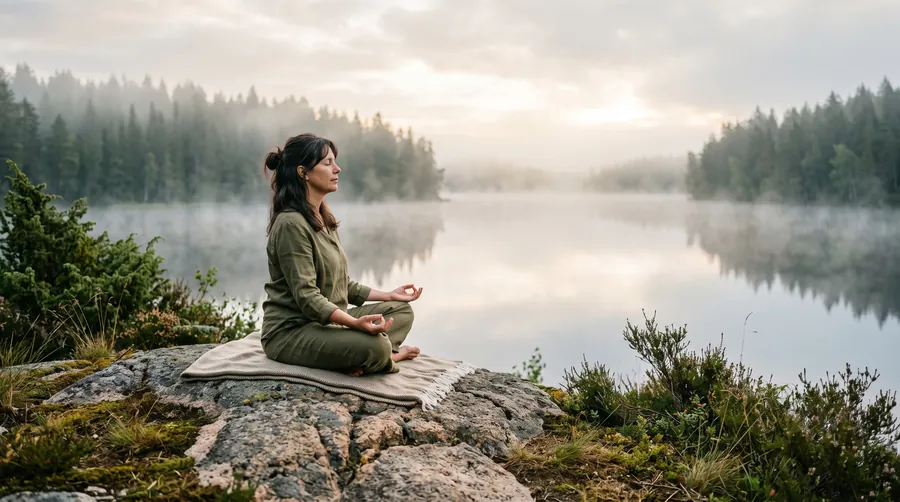
Downshift
Mind & Stress
breath, nature, silence and the daily habit of letting go
The ingredient nobody sells
Connection & Purpose
a circle of friends, a family that stays close and a reason to get up