Blue Zone · Costa Rica
Nicoya
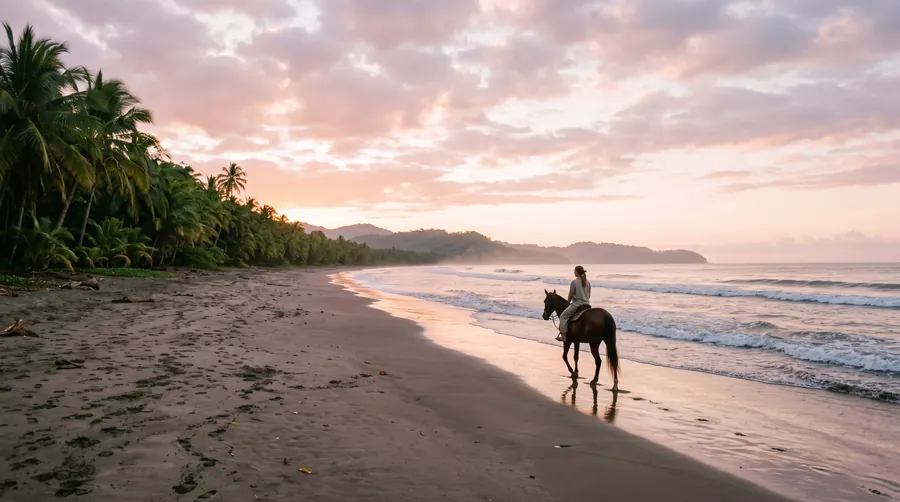
Nicoyans have a plan de vida, a reason to get up, and they get up at five because the sun does. Beans, corn and squash feed them, hard water strengthens their bones and the ocean is never far.

The Nicoya Peninsula is the only Blue Zone in the Americas outside a religious community, and its centenarians are mostly farmers. Their diet is the oldest in the region: black beans, corn tortillas made from nixtamalised maize, squash, rice, papaya, mango, plantains and eggs, with meat on Sundays. The water runs over limestone and carries more calcium and magnesium than almost anywhere in the country. Near the equator the day is twelve hours long all year, so sleep is long and regular.
What travellers notice first is the phrase pura vida, said as a greeting, an answer and a philosophy. Then the pace. Then the fact that people over eighty still ride, chop wood and walk to visit neighbours. The peninsula’s beaches, Sámara, Nosara, Santa Teresa, Montezuma, have become yoga and surf towns, but the villages inland, Hojancha, Nicoya town, the hills above Nandayure, are where the long life is lived.
Come in the dry season from December to April. Stay two weeks: one on the coast for surf, yoga and sunsets at half past five, one inland for a farm stay, a horse and a table with beans and tortillas three times a day.
The longevity profile
- Best months
- Dec · Jan · Feb · Mar · Apr
- Ideal stay
- 10 to 14 days
- Budget
- €€€€
- Night from
- €120
Signature ritual: Wake with the sun, sleep with the dark: twelve hours of each, all year round.
A day in Nicoya
From first light to last light.
- 05:00First light
Sunrise at half past five. Coffee from the farm and the howler monkeys in the trees.
- 06:00The beach
A long walk on Playa Sámara or a dawn surf at Guiones before the wind.
- 07:00Gallo pinto
Rice and beans fried with onion and coriander, an egg, a tortilla, papaya. The national breakfast.
- 09:00The farm
A morning with a family in the hills: milking, corn, the horse, a lesson in patience.
- 12:00Casado
Beans, rice, squash, plantain, salad, a piece of fish. The three sisters are on the plate.
- 14:00Hammock
The heat of the day belongs to the hammock and a book.
- 17:00Sunset
Half past five, every day, on the sand. Then dinner and an early night.
Good to know
Tips for Nicoya.
- Fly to Liberia rather than San José; the peninsula is two to three hours away by road.
- Sámara is the calm beach town, Nosara the yoga capital, Santa Teresa the surf town. Inland villages have simple guesthouses and the real food.
- Drink the tap water where locals do; the mineral content is part of the story. Bottled water is common in resorts.
- The dry season (December to April) is hot and dusty; May and November are green and quieter.
- Say pura vida. Mean it.
Frequently asked questions
What makes Nicoya a Blue Zone?
A traditional diet of beans, corn and squash, calcium-rich water, physical work into old age, strong family and community ties, regular sunlight and a stated purpose in life that locals call plan de vida.
Is Costa Rica safe for solo travellers?
The Nicoya Peninsula is one of the safer regions of Central America. Take the usual care with valuables on beaches and drive carefully on unpaved roads.
How long should I stay?
Two weeks is ideal: the journey is long, the pace is slow and the benefit of the light and sleep rhythm needs time.
Nearby
The next places.
 Blue Zone79
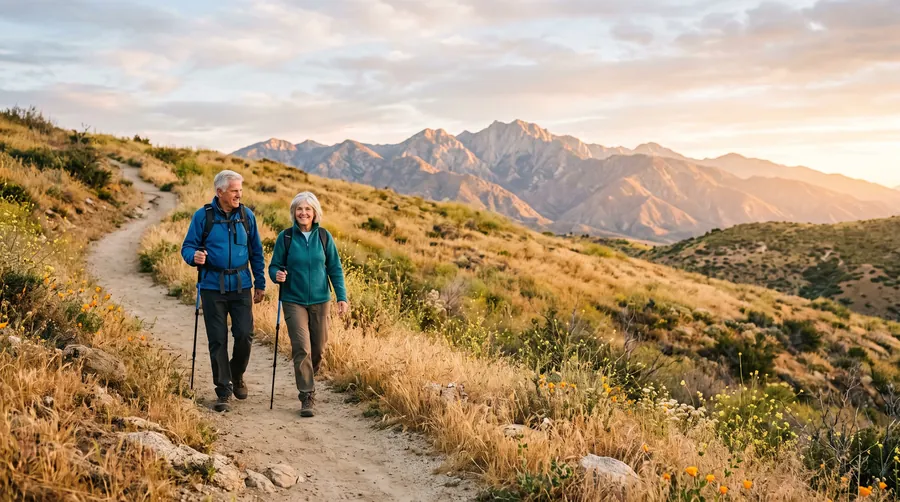
United States · Southern California
Loma Linda
plant-based plates, a weekly day of rest and one of the best hospitals in the country
 78
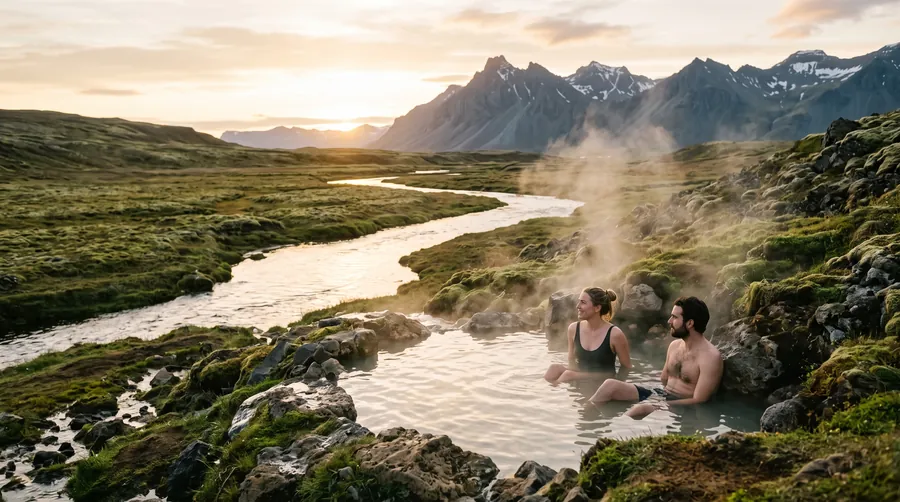
78Iceland · Reykjavík and the south-west
Iceland
hot pools, cold sea and the long light of the north
 82
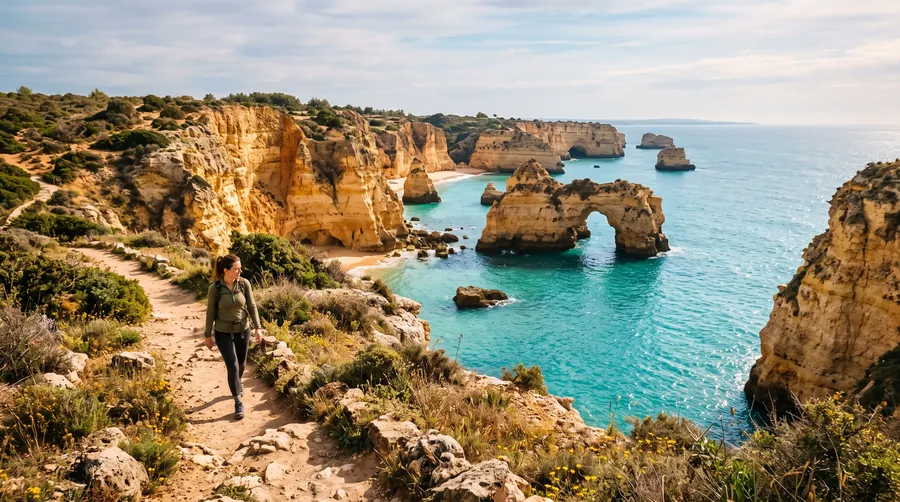
82Portugal · Southern Portugal
Algarve
cliff walks, grilled sardines and the mildest winter in western Europe