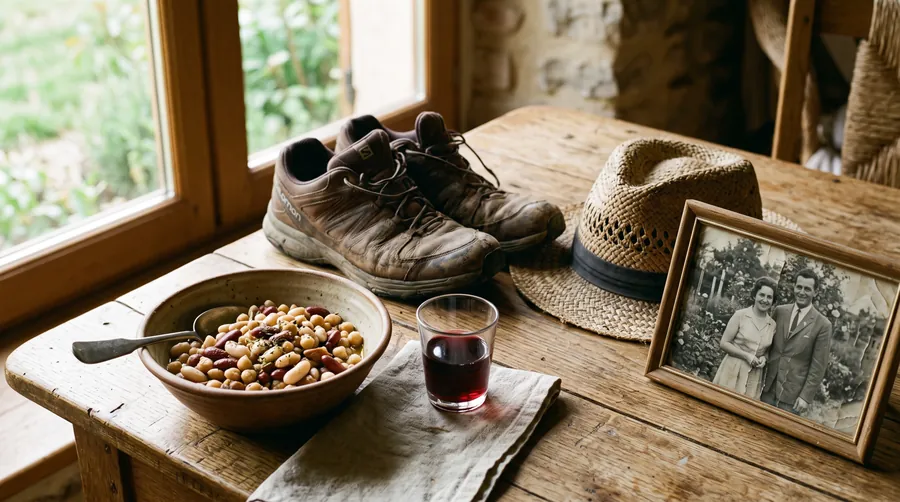

Five regions, five diets, five religions and one pattern. Strip away the marketing and the Blue Zones agree on nine ordinary things.
When demographers Gianni Pes and Michel Poulain circled a cluster of long-lived villages in Sardinia with a blue pen, they had no idea the colour would become an industry. Twenty years on, the five Blue Zones are studied, visited, cooked from and sold. The hype is tiring. The data underneath it is not.
Five places, one pattern
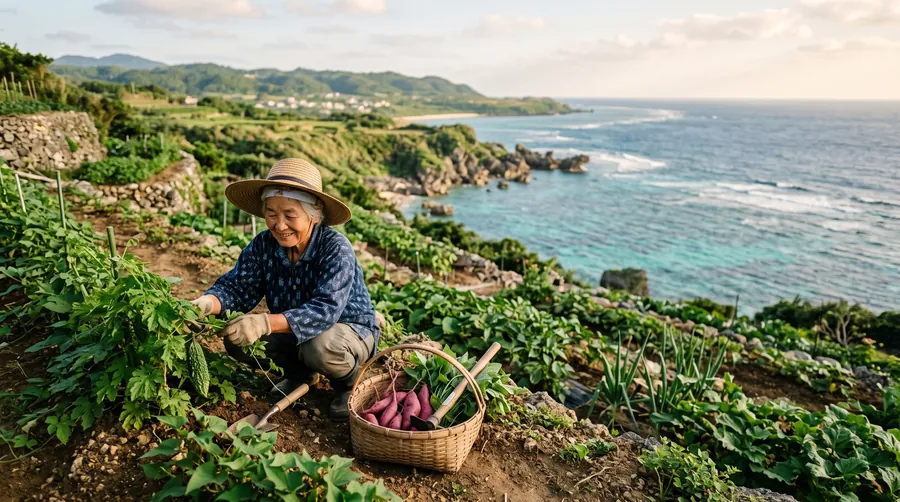
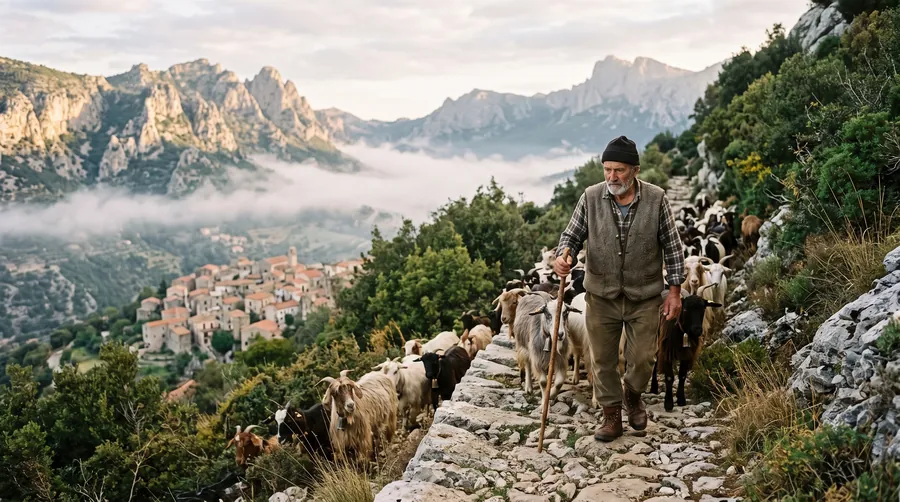
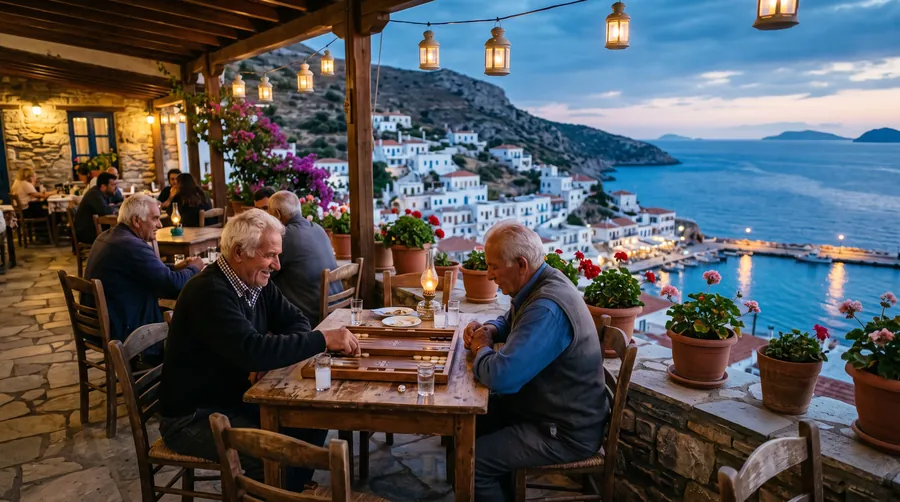
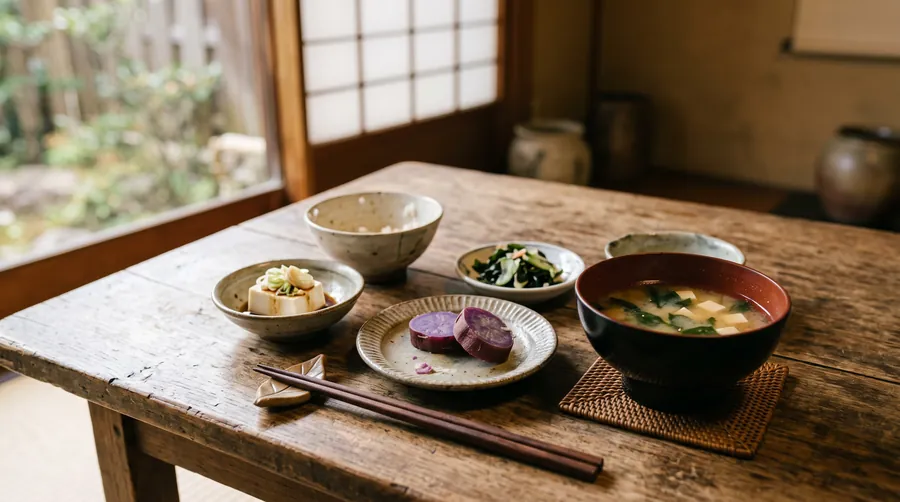
The zones could hardly be more different. Okinawa is subtropical and eats sweet potato and tofu. Sardinia is mountainous and eats bread, cheese and lamb. Ikaria is Greek Orthodox, naps and drinks home-made wine. Nicoya is Catholic, tropical and lives on beans and corn. Loma Linda is a suburb in California whose Adventists are vegetarian and teetotal. Genetics explains roughly a fifth of lifespan and cannot explain five unrelated populations. Environment can.
The nine things
Researchers who compared the zones came up with a short list that has held up well. Movement built into the day rather than scheduled: hills, gardens, walking to the neighbour. A purpose that can be said in a sentence: ikigai in Okinawa, plan de vida in Nicoya. A daily routine for shedding stress: naps, prayer, a glass of wine, an evening in the square. Eating until eighty percent full, and eating the smallest meal in the evening. A diet that is mostly plants, especially beans, with meat as a rare treat. Alcohol in moderation, with food and friends, or none at all. Belonging to a faith community or something like it. Family first: partners, children and elders close and involved. And a social circle that reinforces all of the above, which Okinawans formalise as a moai.
What the list does not say
Nothing on it is expensive. Nothing on it is a supplement, a protocol or a device. The Blue Zones are poor by the standards of the countries that study them, and their centenarians never optimised anything. That is the uncomfortable lesson for a longevity industry that sells complexity. The other lesson is that the habits come as a package. Beans without the table, walking without the village, purpose without the family: each works a little; together they compound.
What survives the flight home
A journey to a Blue Zone will not make you Sardinian. It can show you what the habits look like when they are normal, which is the part most people lack. The three most transferable, in our experience: eat beans three times a week and stop before you are full; walk in a way that does not feel like exercise, every day; and ritualise friendship with a fixed weekly table. The Vitality Score tells you which of the nine you are missing. The Blue Zone journey shows you where to see them lived.
Try it
Vitality ScoreSleep, steps, strength, plants, alcohol, friends, purpose, stress, daylight and breath.Trip DesignerChoose what the trip should do for you, when you can go, how long and how hard.Frequently asked questions
Are the Blue Zones scientifically valid?
The demographic clusters were validated by checking birth records and are considered real. Some claims about individual supercentenarians have been questioned, but the lifestyle patterns are well documented and consistent with decades of nutrition and exercise research.
Which Blue Zone diet is best?
They differ in ingredients and agree in structure: mostly plants, plenty of beans, little meat, little sugar, real food, moderate portions. Choose the one whose ingredients you like.