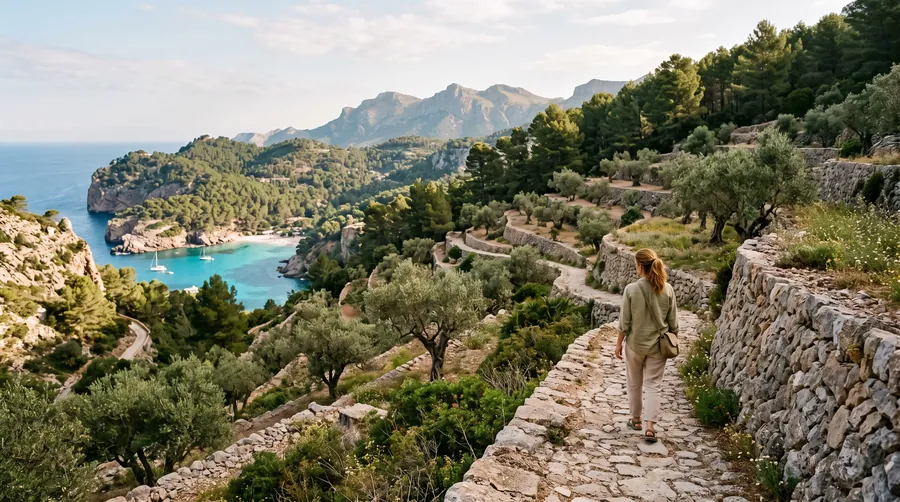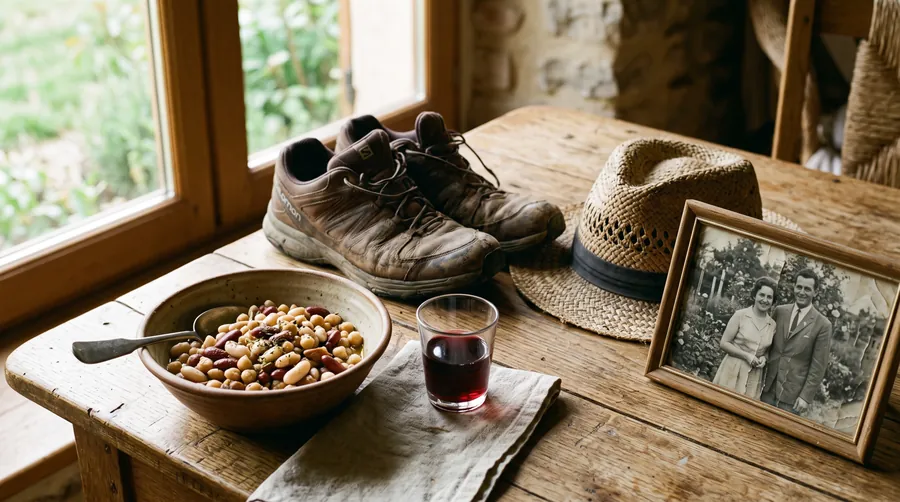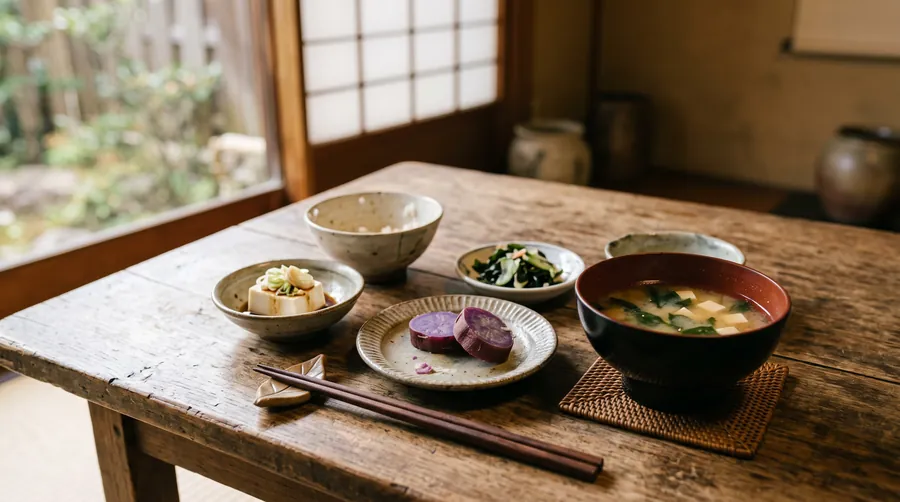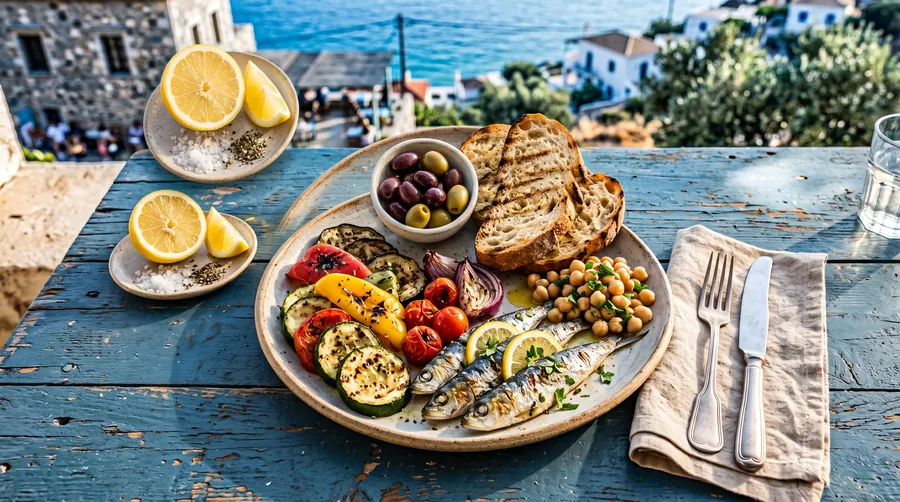

Not a diet, a way of eating: vegetables and beans at the centre, olive oil as the fat, fish and yoghurt often, meat rarely, a glass of wine with people. Here is how the plate is built.
The Mediterranean diet has a problem: it is too good to sell. Nobody owns it, it requires no product and it looks, on the plate, like a normal lunch in Tuscany. Yet it has the strongest long-term evidence of any eating pattern. The Spanish PREDIMED trial, which gave thousands of people at risk of heart disease either a Mediterranean diet with olive oil or nuts or a low-fat diet, had to be stopped early because the Mediterranean groups were having about thirty percent fewer heart attacks and strokes. Cohorts across decades agree, and add lower rates of diabetes, dementia and some cancers.
The structure
Think of a plate in layers. The base is vegetables, in quantity and variety, cooked and raw, and legumes: chickpeas, lentils, white beans, fava, several times a week. The next layer is whole grains: bread, pasta in modest portions, farro, rice. Then olive oil as the main fat, poured, not measured. Then fish and seafood two or three times a week, eggs, yoghurt and cheese in moderation. Then fruit as the dessert and nuts as the snack. Meat, especially red and processed, appears rarely. Sweets are for feast days. Wine, if at all, is one glass with the meal.
Why the details matter
Olive oil is not just fat; extra virgin oil carries polyphenols with anti-inflammatory effects, which is why the PREDIMED groups drank it by the litre per week. Legumes provide fibre and plant protein at a fraction of the cost of meat; fibre feeds the gut bacteria that in turn influence inflammation and immunity. Fish supplies omega-3 fats; nuts, magnesium and healthy fats. And the pattern is low in the things that do harm: refined sugar, processed meat, ultra-processed food.
Regional versions
Sardinia adds sheep and goat dairy and cannonau wine. Ikaria adds wild greens, potatoes and honey. Mallorca has pa amb oli and tumbet. The Algarve grills sardines and cooks cataplana. The structure is the same; the ingredients are what grows there.
At home
Buy a good olive oil and use it for everything. Cook a pot of beans on Sunday and eat from it all week. Put vegetables on the plate first and decide the rest after. Eat fish twice a week, nuts every day, fruit for dessert. Make lunch the main meal if you can, and eat it with someone. The eighty percent rule handles the quantity.
Try it
Vitality ScoreSleep, steps, strength, plants, alcohol, friends, purpose, stress, daylight and breath.Trip DesignerChoose what the trip should do for you, when you can go, how long and how hard.Frequently asked questions
Is the Mediterranean diet good for weight loss?
It is not designed for it, but people tend to lose or stabilise weight on it because vegetables, legumes and olive oil are filling. Combined with the eighty percent rule, it works well.
Do I have to drink wine?
No. Wine is optional and the evidence for its benefit is weaker than it once seemed. If you drink, keep it to one glass with food; if you do not, there is no reason to start.