
The Romans built them, the nineteenth century perfected them and modern medicine confirmed part of what they claimed. A tour of Europe’s hot water and the towns that grew around it.
Long before wellness was a word, Europe had spa towns. The Romans bathed at Bath, Baden-Baden and Aquae Sulis; the Habsburgs took the waters at Karlovy Vary; the nineteenth century built colonnades, casinos and concert halls around springs from Vichy to Budapest. The medical claims of that era were often nonsense. The core practice was not: warm mineral water, regular walks, rest, a controlled diet and weeks away from ordinary life help a great many conditions, and balneotherapy trials now show measurable benefits for arthritis, back pain and stress-related complaints.
The classics
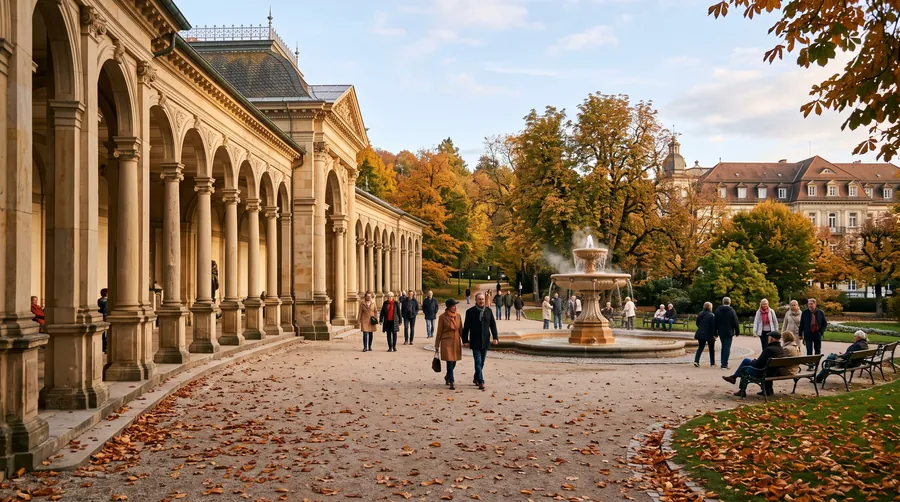
Baden-Baden in the Black Forest is the grand version: the Friedrichsbad with its Roman-Irish ritual of hot air, steam and pools, the Lichtentaler Allee for the walk, the orchestra for the evening. Budapest has more thermal baths than any capital, from the Art Nouveau Gellért to the outdoor pools of Széchenyi where old men play chess in the steam. Karlovy Vary in Bohemia is the drinking cure, hot mineral water sipped from porcelain cups on a promenade. Bath in England has reopened its springs in a rooftop pool above the Georgian city.
The wild springs
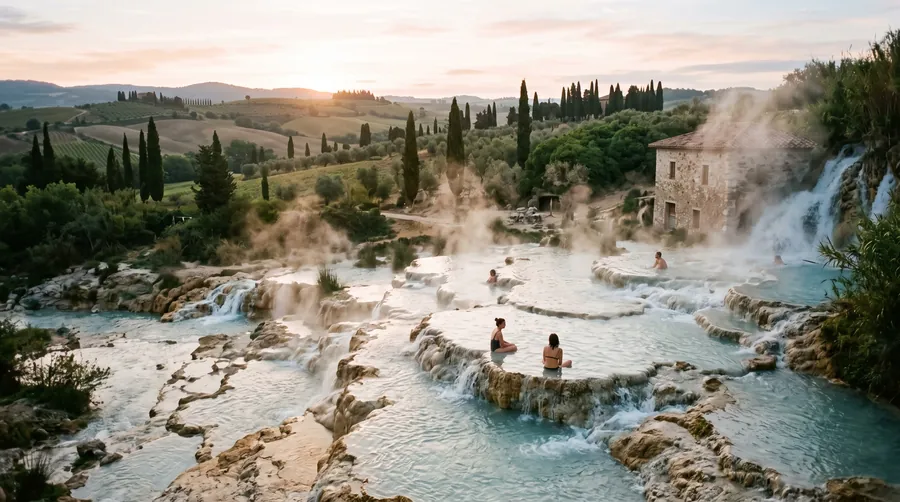
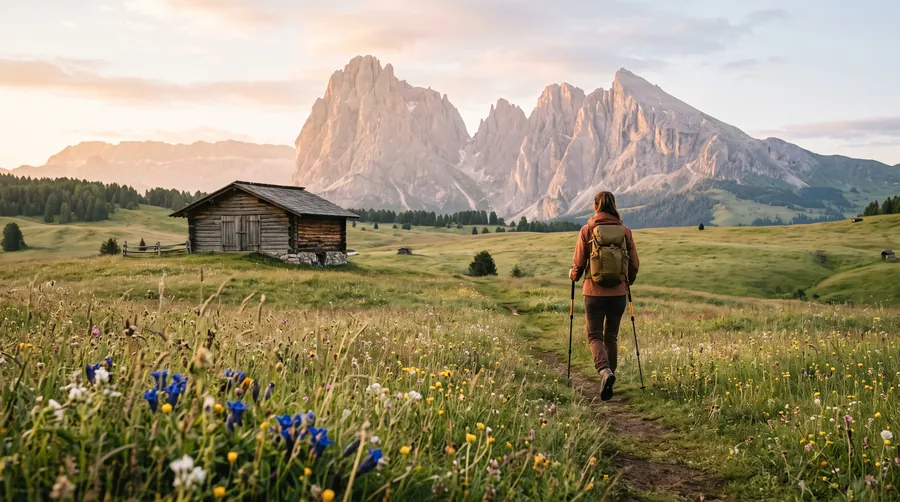
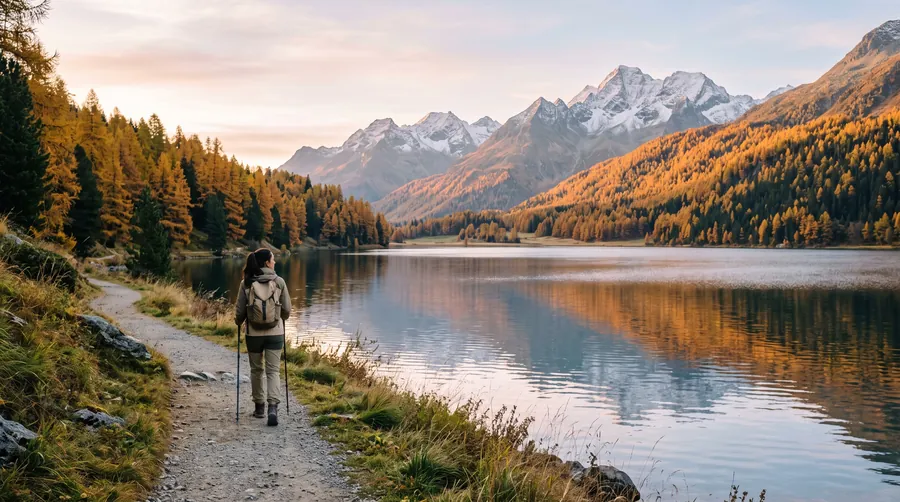
The other tradition is older and free. Southern Tuscany has the Cascate del Mulino at Saturnia, hot waterfalls open day and night, plus Bagno Vignoni with its Renaissance pool in the village square and the forest cascades of Bagni San Filippo. Ikaria has warm sea springs at Therma. Iceland has a hot river you hike to. The Alps have mineral baths at Scuol in the Engadin and thermal pools in Merano below the Dolomites.
What the water does
Immersion in water at 34 to 40 degrees lowers muscle tone, increases blood flow to the skin and joints, lowers blood pressure for hours afterwards and, through buoyancy, unloads the spine and knees. Mineral content may add effects, though the evidence there is thinner. The rest of the cure is the town: the walk, the park, the early night, the absence of hurry.
Planning a thermal week
Choose one town and stay five to seven days. Bathe once or twice a day for twenty to thirty minutes, never after a large meal or alcohol. Walk in between. Book one massage or one traditional ritual, not one a day. Sleep early. The thermal journey page has the full pattern; the Retreat Budget tool compares what a week costs from Tuscany to the Alps.
Try it
Retreat BudgetChoose a destination, the nights, the level of stay, how often you eat out, how many treatments and whether flights are included.Trip DesignerChoose what the trip should do for you, when you can go, how long and how hard.Frequently asked questions
Is thermal water better than a hot bath at home?
The temperature effects are similar; the town, the walks, the rest and the mineral content add the rest. A hot bath at home three times a week is a good substitute between trips.
Which spa town is best for a first visit?
Baden-Baden for the classic ritual, Budapest for variety and value, southern Tuscany for wild springs and food.