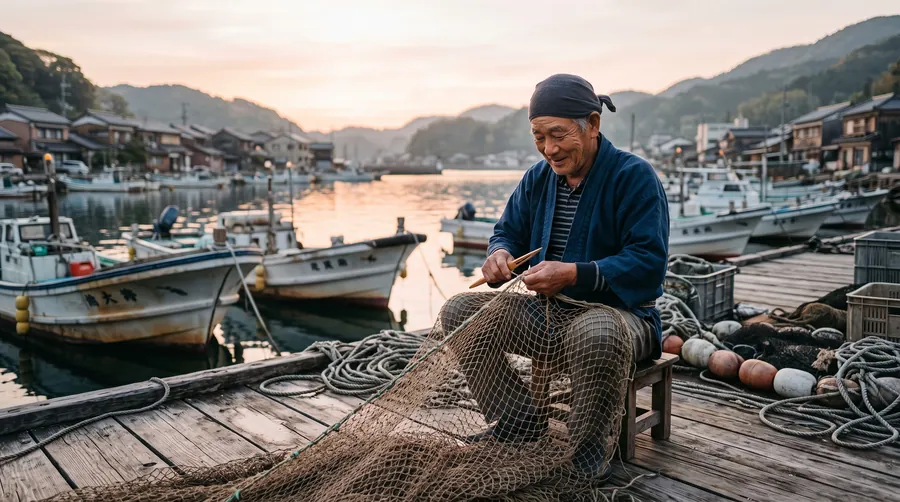

Okinawans can tell you in a sentence why they get up in the morning. Research says the sentence is worth years. Here is how to write yours.
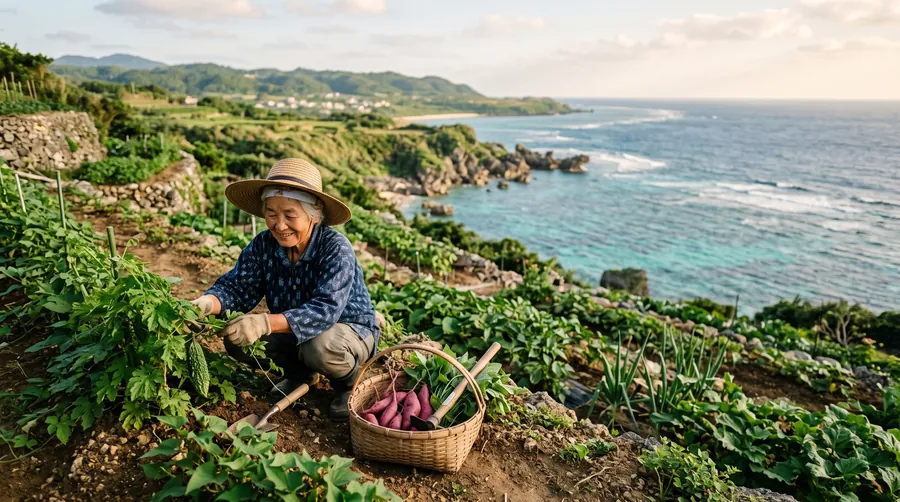
Ask an old Okinawan about ikigai and you will not get a Venn diagram. You will get a sentence: my garden, my grandchildren, the fishing boat, the dance group on Thursdays. The word combines iki, life, with gai, worth, and it means the thing that makes the day worth getting up for. In Nicoya they call it plan de vida. Adventists in Loma Linda call it service. Every Blue Zone has a version, and none of them involves retirement in the western sense.
The evidence
Purpose is one of the few psychological variables with hard outcomes attached. A Japanese study of more than forty thousand adults found that people who reported ikigai had lower all-cause and cardiovascular mortality over seven years. American cohorts using purpose-in-life questionnaires found lower rates of heart attack, stroke and dementia among people who scored high, and the effect survived adjustment for income, education and baseline health. The proposed mechanisms are plausible: purposeful people sleep better, move more, drink less and keep going to the doctor.
Why it matters more with age
Careers end, children leave, spouses die. The years after sixty are when purpose is most likely to be lost and most valuable to keep, which is why Blue Zones keep elders working, consulted and needed: the Sardinian grandmother runs the kitchen, the Okinawan grandfather runs the garden. Loneliness and purposelessness travel together, and both shorten life.
Finding yours
The Venn diagram, what you love, what you are good at, what the world needs, what you can be paid for, is a western invention and not useless. The Okinawan method is simpler: name what you would miss if it were taken away, and what someone would miss if you stopped doing it. Write it in one sentence. Revisit it once a year. It will be small, and that is fine; a garden is enough.
Purpose and travel
A journey can reveal a purpose by removing the noise around it, which is why so many people come back from a week in the mountains with a decision. It can also be a purpose in itself: learning a language, walking a pilgrim route, seeing the five Blue Zones. The Vitality Score asks whether you can name your reason. If you cannot, this is the pillar to work on first.
Try it
Vitality ScoreSleep, steps, strength, plants, alcohol, friends, purpose, stress, daylight and breath.Trip DesignerChoose what the trip should do for you, when you can go, how long and how hard.Frequently asked questions
Is ikigai the same as a career?
Rarely. For most Okinawans it is family, community, a craft or a garden. Work can be part of it, but the word survives retirement.
Can purpose be learned late in life?
Yes. Volunteering, mentoring, caring for others and learning something difficult all raise purpose scores in older adults, with health benefits following.