
From forty on you lose muscle every year unless you ask it to stay. Grip strength predicts survival; two short sessions a week keep it.
Adults lose three to eight percent of their muscle mass per decade after thirty, and the rate accelerates after sixty. The loss is invisible for years because fat replaces it, and then it becomes very visible: the chair that is hard to get out of, the fall that becomes a fracture, the winter that becomes a hospital. Sarcopenia, the medical name, is now recognised as a disease, and it is one of the most preventable there is.
Why muscle matters beyond strength
Muscle is the largest store of glucose in the body and its main consumer, which is why losing it drives insulin resistance and type 2 diabetes. It is a reservoir of amino acids in illness; people with more muscle survive surgery, infection and cancer treatment better. And it is what keeps you independent: the ability to get off the floor without hands in your seventies predicts a great deal about your eighties. Grip strength, a proxy for the whole system, predicts mortality better than blood pressure in some large cohorts.
The minimum dose
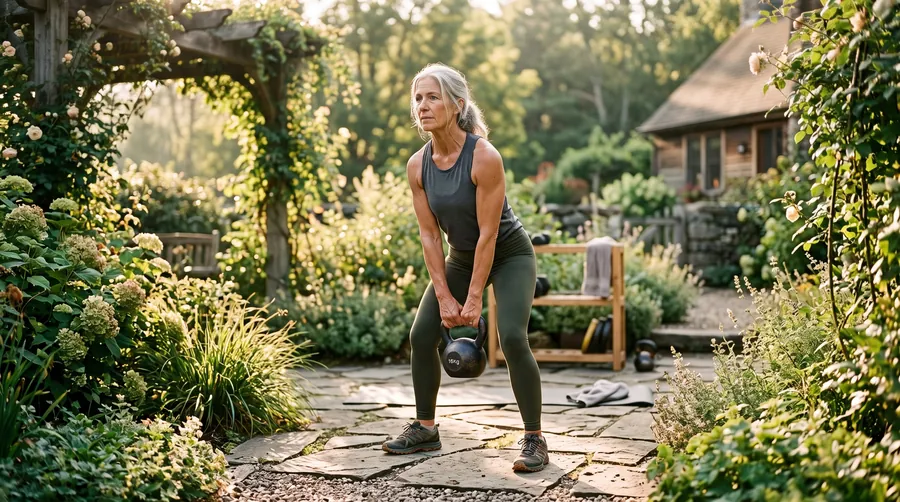
Two sessions a week of thirty to forty minutes, covering the basic movements: squat or sit-to-stand, hinge or deadlift, push, pull, carry. Bodyweight is enough at first; then a kettlebell, resistance bands, a barbell. Work hard enough that the last few repetitions are difficult. Progress by adding weight or repetitions slowly. Beginners in their sixties and seventies gain strength as fast, proportionally, as people in their twenties.
Protein
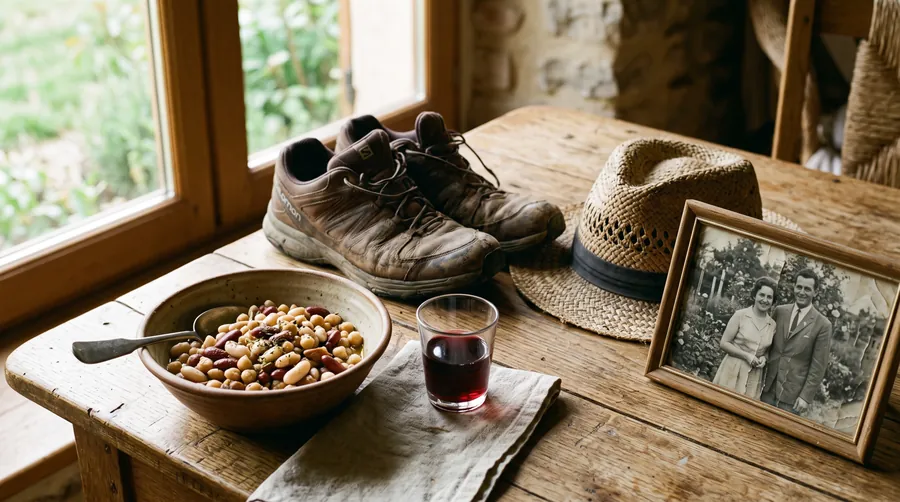
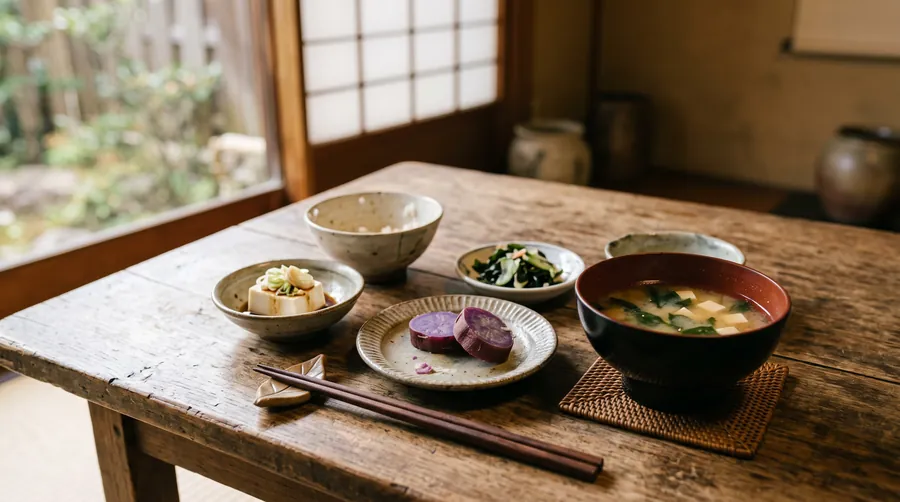
Older muscle needs more protein to respond: around 1.2 to 1.6 grams per kilo of body weight a day for active people over fifty, spread across meals with at least 25 to 30 grams at each. Eggs, fish, yoghurt, beans, tofu, lentils and some meat. Blue Zone diets manage this with dairy, legumes and fish; a purely plant-based version needs planning.
On the road
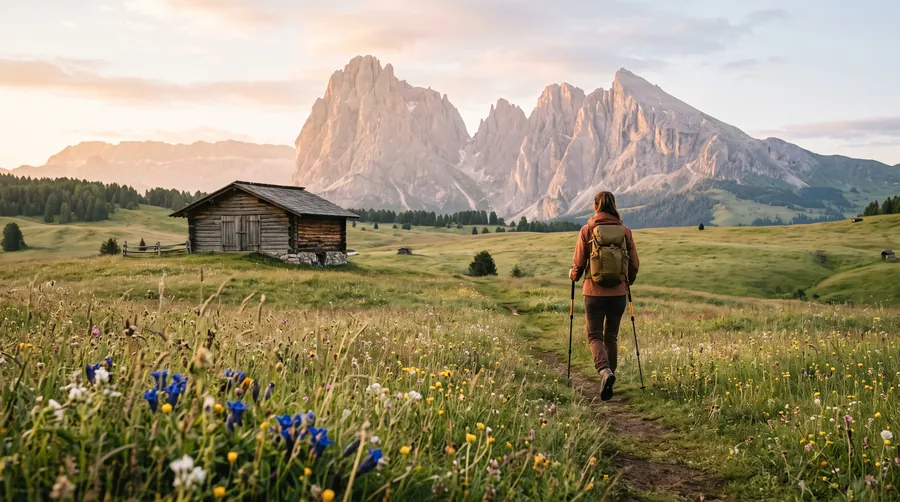
A hotel room is a gym: fifteen minutes of squats, push-ups, lunges, planks and a chair for dips. Carry your own bags. Walk uphill. The walking week in Sardinia or South Tyrol trains the legs; the room routine covers the rest. The Vitality Score counts strength sessions for a reason.
Try it
Vitality ScoreSleep, steps, strength, plants, alcohol, friends, purpose, stress, daylight and breath.Longevity DaySet your wake time, sleep target, eating window, movement and wind-down, and the tool lays out a day built on the six pillars: light first, food in a window, movement before lunch, dark before bed.Frequently asked questions
Is it safe to start lifting weights at sixty?
Yes, with sensible progression and, if you have health conditions, a doctor’s clearance. The risk of not training is far greater than the risk of training.
How much protein is too much?
For healthy kidneys, intakes up to two grams per kilo a day are considered safe. People with kidney disease should follow medical advice.